Replacing Window Handles on uPVC Windows: What to Measure
Replacing window handles on uPVC windows is a common maintenance task for homeowners and tradespeople. Accurate measurements are essential to ensure the re...
Replacing window handles on uPVC windows is a common maintenance task for homeowners and tradespeople. Accurate measurements are essential to ensure the replacement handle fits correctly, operates smoothly and complies with security standards. This guide covers the practical measurements and checks required before ordering a new handle, plus tips for simple installation and common pitfalls to avoid.
Identify the handle type
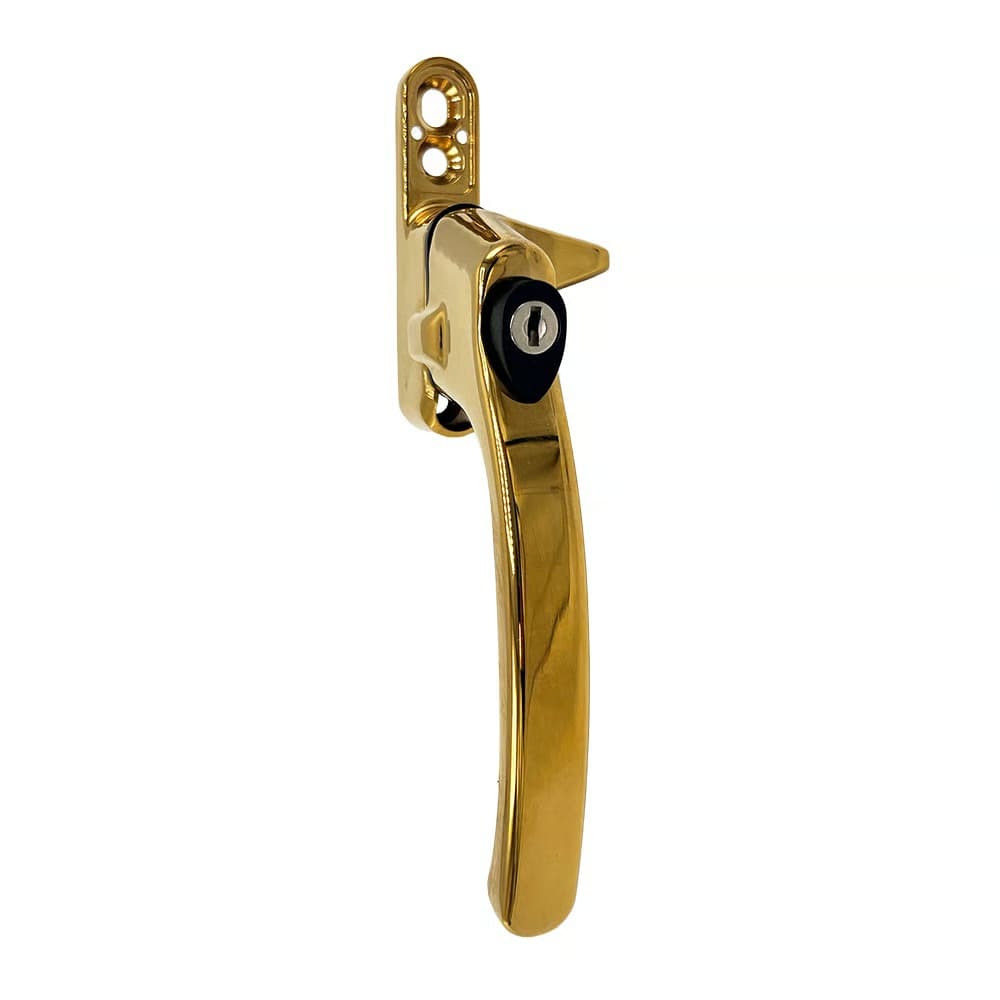
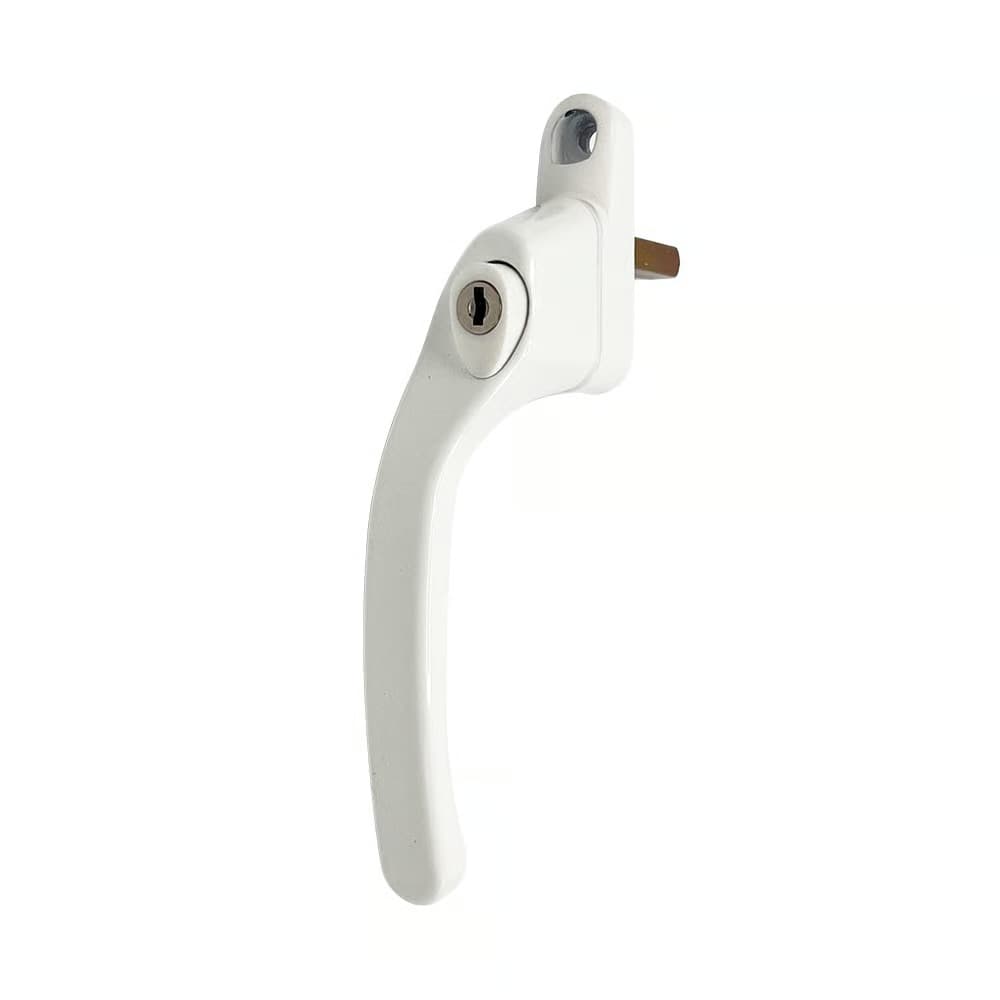
Different handle types require different measurements. Common uPVC window handles include espagnolette (espag) handles, cockspur handles and inline or screw-fixed handles. Identifying the existing handle type first reduces the risk of ordering an incompatible product. Common replacements include the TSS Cockspur Window Handles for espag gearboxes, the TSS Cockspur Window Handle for casement windows with a cockspur mechanism and the TSS Offset UPVC Window Handles as a popular all-purpose option.
Tools required
Prepare these basic tools to measure and later install the new handle:
- Tape measure or ruler (metric, to the nearest millimetre)
- Vernier callipers (optional for precise spindle/shaft measurement)
- Screwdriver (usually Pozidriv or Torx)
- Pencil and a small notebook or phone camera for recording measurements
Measurements to take
Record each measurement precisely. Use millimetres and note whether the measurement is across or centre-to-centre.
1. Spindle length and square size
- Measure the square spindle (shaft) length from the base of the handle rose or backplate to the end of the spindle. Many modern handles use a 7mm square spindle; record the square dimension as well as the total length. Spindles are commonly 25mm, 35mm, 45mm or 55mm, but built-in gearboxes can vary.
- If the handle is removable, take it off and measure the exposed portion of the spindle for accuracy.
- Measure the distance between the centres of the two fixing screws on the handle backplate (“fixing centres”)—this is typically 43mm or 78mm for many uPVC handles, but always confirm. Measure from the centre of one screw hole to the centre of the other, not from outer edges.
- For single-screw rose-style handles, measure the screw position relative to the spindle centre.
- Measure the height and width of the backplate or rose. Note whether the backplate is round, square, rectangular or bespoke shaped, and whether it covers the internal uPVC frame cut-out.
- Measure the distance from the spindle centre to the top and bottom edges of the backplate to check for clearance with the window frame or beading.
- Measure how far the handle projection extends from the face of the window when in the closed position. This ensures the new handle will not interfere with sills, curtains or adjacent frames.
- Some mechanisms require an offset spindle (non-centred). Measure the distance from the spindle centre to the edge of the backplate or to the nearest screw hole—this is often called the backset or offset and is crucial for gear engagement.
- For espag handles, note the type of gearbox: the length and position of the espagnolette arm (metal strip inside the window that engages with keeps). Remove the handle and operate the window to observe how the gearbox moves. Measure from the spindle centre to the nearest gearbox fixing or the central hole that locates the espag arm.
- Record the espag strip thickness and the arrangement of locking cams or rollers.
- Note the hand of the handle (left or right) by observing which way the handle turns to lock and open. Also record whether the spindle is centred or off-centre vertically; some tilt-and-turn windows use different orientations.
- If the handle incorporates a lock (key or push-button), note the type and position of the locking barrel relative to the spindle. Replacement handles with locks must align with the existing cut-out or require drilling a new hole.
Practical measuring tips
- Photograph the existing handle in situ from several angles before removal. Photos help confirm measurements when ordering replacements.
- For worn handles, remove and measure the handle and the concealed spindle; visible measurements can be misleading.
- If unsure of a specification, measure twice. Small differences of a few millimetres can cause incorrect engagement with the espagnolette or poor sealing.
- Keep a small diagram and label each measurement to avoid confusion between similar numbers.
Choosing the right replacement
Match the measured screw centres, spindle size and handle projection first. Next match the handle type and locking features. For high-security requirements, choose handles that meet recognised security standards and that can be fitted with replacement keeps or reinforced backplates.
- Espag handles require matching to the espagnolette gearbox length and fixing positions, so an exact match is preferable.
- Cockspur handles rely on the spur engaging the frame; ensure the spur length and screw positions align with the existing window profile.
- Rose-style or screw-fixed handles commonly have standard fixing centres and can be swapped more easily.
Installation basics
Installation typically involves removing two screws, withdrawing the old handle and replacing the spindle and backplate with the new handle. Ensure the handle operates the gear smoothly before tightening screws fully. For handles with locks, install the locking barrel and confirm the key operates the mechanism without binding. Apply a small amount of suitable lubricant to moving parts if required.
Common pitfalls to avoid
- Ordering by visual similarity alone: identical appearance can hide different spindle lengths or fixing centres.
- Ignoring the locking barrel position and assuming a non-locking handle will suit a locking cut-out.
- Over-tightening screws, which can distort the backplate and affect operation.
- Neglecting to check for corrosion or damage in the espagnolette strip and keeps; replacing only the handle may not restore full security if other components are worn.