Replacing Window Handles: Step-by-Step Photos Checklist
Replacing window handles is a straightforward maintenance task that can restore smooth operation and improve security. This article provides a practical, s...
Replacing window handles is a straightforward maintenance task that can restore smooth operation and improve security. This article provides a practical, step-by-step photos checklist designed for homeowners and tradespeople, with tips on selecting compatible replacements, the tools required, and common pitfalls to avoid. Use the photo checklist at every stage to document progress and confirm the correct parts before reassembly.
Tools and materials checklist
- Cross-head and flat-head screwdrivers (assorted sizes)
- Hex keys or Allen keys (often 3mm–5mm)
- Tape measure or ruler (metric)
- Digital calipers (for spindle and screw hole measurements)
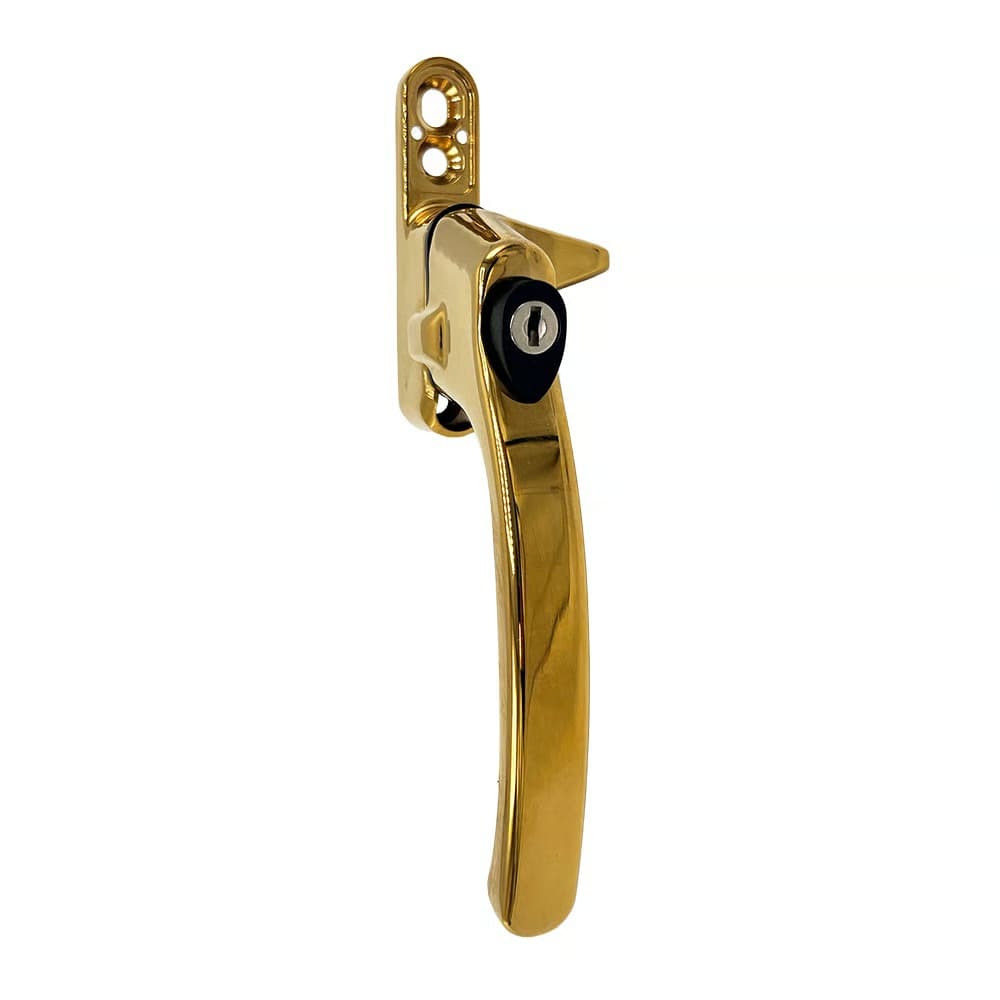
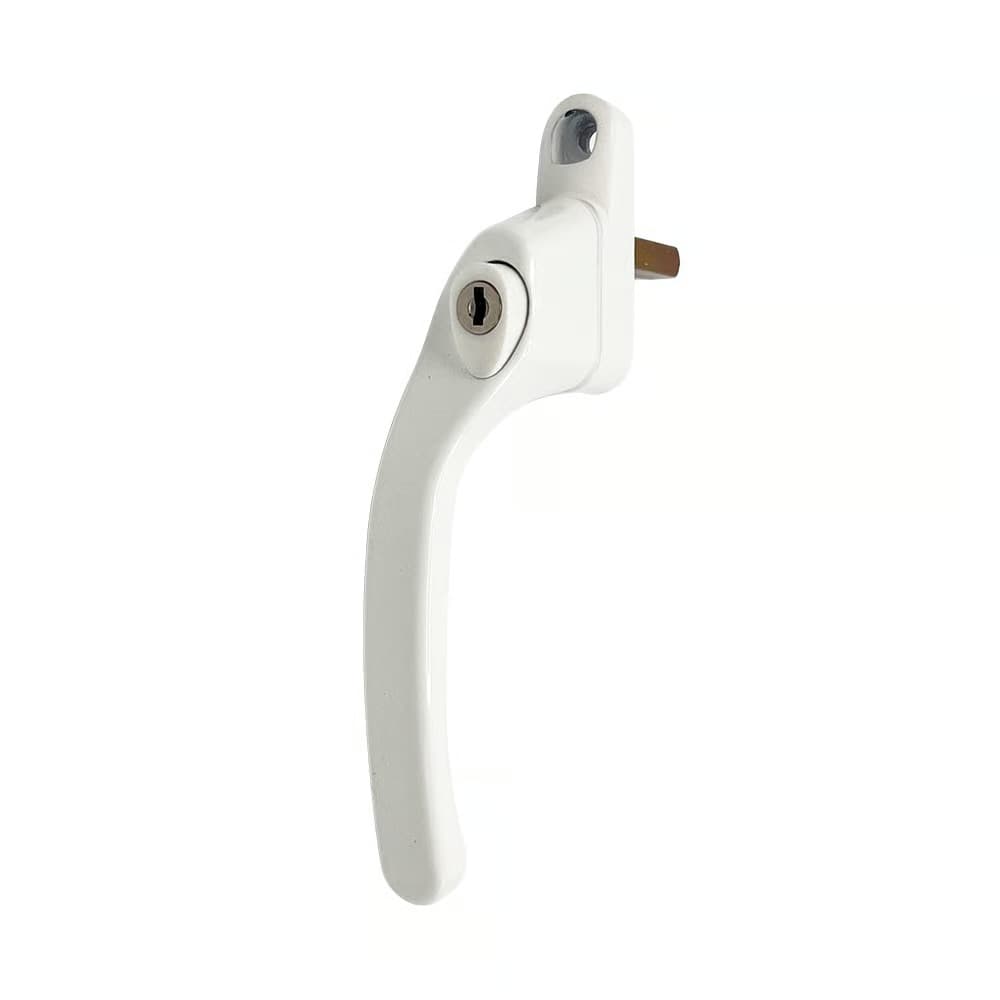
- Replacement handle compatible with locking system, for example TSS Cockspur Window Handles, TSS Cockspur Window Handle or TSS Offset UPVC Window Handles
- Small container for screws and fixings
- Masking tape and marker for labelling
- Soft cloth and mild cleaner
- Lubricant (silicone spray) and small brush
- Threadlocker (medium strength) for timber sash screw reassembly where vibration is expected
Pre-removal photographic checklist
1. Overall window view: take a photo showing the full window and handle position. 2. Close-up of handle: photograph from two angles to record handle style, finish and wear. 3. Lock/keep area: capture the area where the handle interfaces with the locking mechanism. 4. Fixing screws: zoom in on the visible screws and any cover plates. 5. Spindle and backset: if partially visible, photograph spindle length and orientation.
These images assist with identifying the correct replacement and act as a reference if any question arises on reassembly.
Identifying the handle type and measurements
Accurate measurement ensures the replacement is compatible. Key dimensions and details to photograph and record:
- Spindle size and shape (square or keyed) — measure spindle width across flats in millimetres.
- Spindle length from faceplate to end.
- Screw hole centres — measure distance between fixing centres horizontally and vertically.
- Backset — distance from handle face to the locking mechanism or window edge, crucial for espagnolette systems.
- Type of mechanism: espagnolette (multi-point locking), cockspur, or centre spindle lock.
Step-by-step removal (with photos)
1. Secure the sash: shut and prop the window to avoid movement. 2. Remove cosmetic cover caps: photograph the cover before removal, then remove and store. 3. Unscrew handle fixings: take a photo of screw orientation and any threaded inserts before loosening. 4. Extract the handle: photograph the handle and spindle as it comes away from the mechanism. 5. Inspect the mechanism: take close-up photos of the spindle, keep, and locking components for wear or damage.
Label screws and components with masking tape if multiple different fixings are present. A photo of the laid-out parts will save time on reassembly.
Selecting the correct replacement
Use the recorded dimensions and photos to choose the correct handle. Consider finish, handedness, and whether a locking cylinder is required. For an espag system choose an espag replacement like the Mila ProSecure Espag Handle; for older timber frames a cockspur handle such as the TSS Cockspur Window Handle is suitable; for modern uPVC options the Yale Sparta Window Handle is a common match. Confirm the spindle size and screw centre measurements against the product specification before purchase.
Installation steps (with photographic checkpoints)
1. Test-fit without fixing: place the new handle on the spindle and photograph alignment to ensure correct fit. 2. Align spindle and handle: ensure the spindle fully engages and the handle sits square to the faceplate. 3. Fit fixings loosely: insert screws and photograph the spacing. Do not fully tighten until all screws are started. 4. Final tighten sequence: tighten evenly and photograph the final torque on the screws to record correct seating. 5. Replace cover caps and photograph the finished installation from the same angles taken at the start for comparison.
Apply a small amount of silicone lubricant to moving parts; avoid heavy greases that attract dust. Use medium-strength threadlocker on timber screws if the window is subject to vibration.
Testing and final checks
Photograph and perform the following tests:
- Operate the handle through its full movement to confirm smooth action and correct locking engagement.
- Check that the window locks and unlocks reliably and that the handle returns to neutral position.
- Inspect surrounding seal and frame for any interference.
- For espag systems, confirm the locking rod runs smoothly in the keep with no binding.
Common issues and remedies
- Incorrect spindle length: photograph and re-measure; use a spindle adaptor or order correct length.
- Misaligned keeps: if locking does not engage, adjust the keep or striker plate and photograph adjustments.
- Stripped screw threads: use suitable timber plugs or helicoil inserts; photograph the repair.
- Corrosion or damaged locking mechanism: photograph and consider replacing the espagnolette or keep assembly rather than just the handle.
Photo file management and documentation
Store photos in labelled folders using the property address or job reference. Include a short notes file with measurements, part numbers and final test results. Proper documentation speeds future maintenance and supports any warranty claims.
Replacing window handles is a task that rewards careful measurement, methodical photography and precise fitting. This photo-led checklist reduces guesswork, helps select the correct replacement and ensures a professional finish. For further technical detail on handle types, sizes and compatibility consult the comprehensive Window Handles Guide.