Replacing Window Handles: Tools and Safety Tips
Replacing window handles is a straightforward maintenance task that can refresh the appearance of a property and restore safe, reliable operation to window...
Replacing window handles is a straightforward maintenance task that can refresh the appearance of a property and restore safe, reliable operation to windows. Whether handling timber, uPVC or aluminium frames, preparation, the right tools and sensible safety measures ensure the job proceeds quickly and without damage. This guide outlines practical, actionable steps for homeowners and tradespeople to replace handles efficiently.
Assess the situation and choose the right replacement
Begin by identifying the handle type and its fixing method. Common types are espagnolette (espag) handles for casement windows, cockspur handles for older timber or cheap uPVC windows, and lever or fixed handles for various styles. Check whether the handle is handed (left or right) and measure the spindle length and screw centres. Standard measurements include backplate screw spacing and spindle square size (typically 7 mm or 8 mm), but measure accurately with a ruler or callipers.
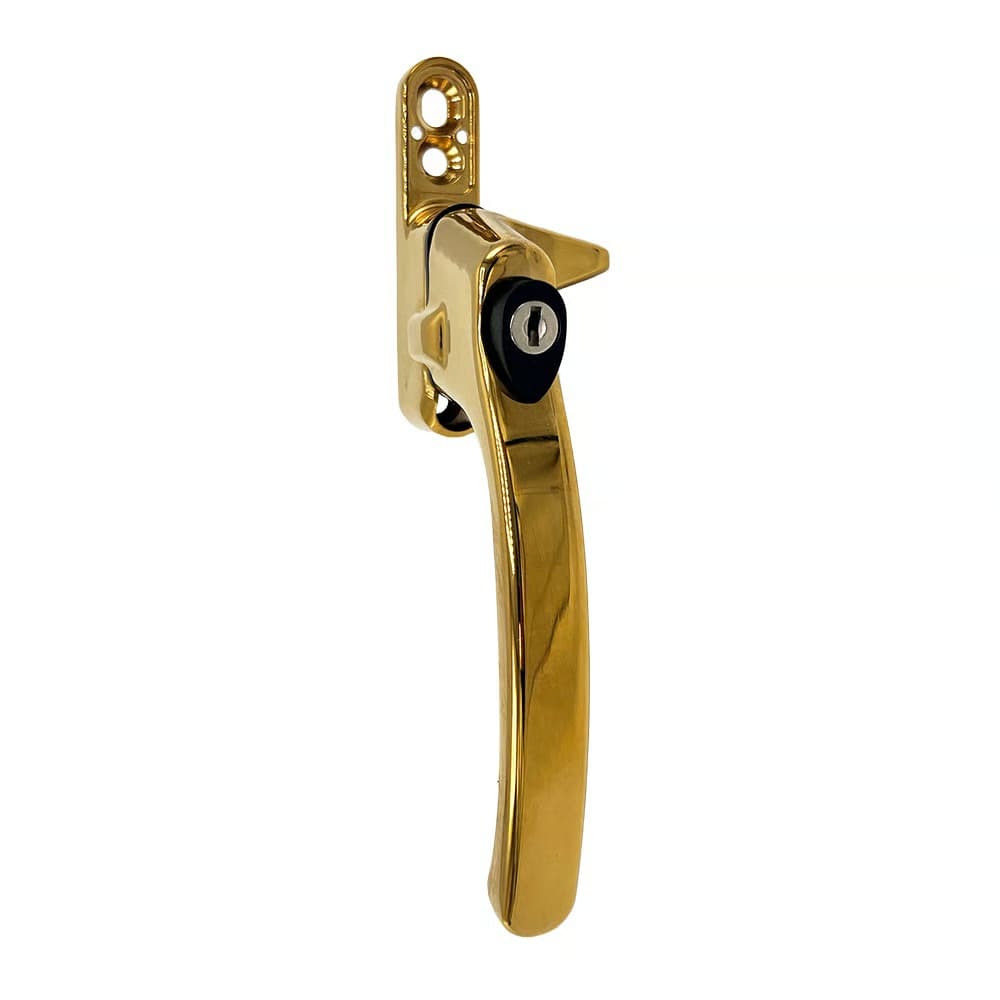
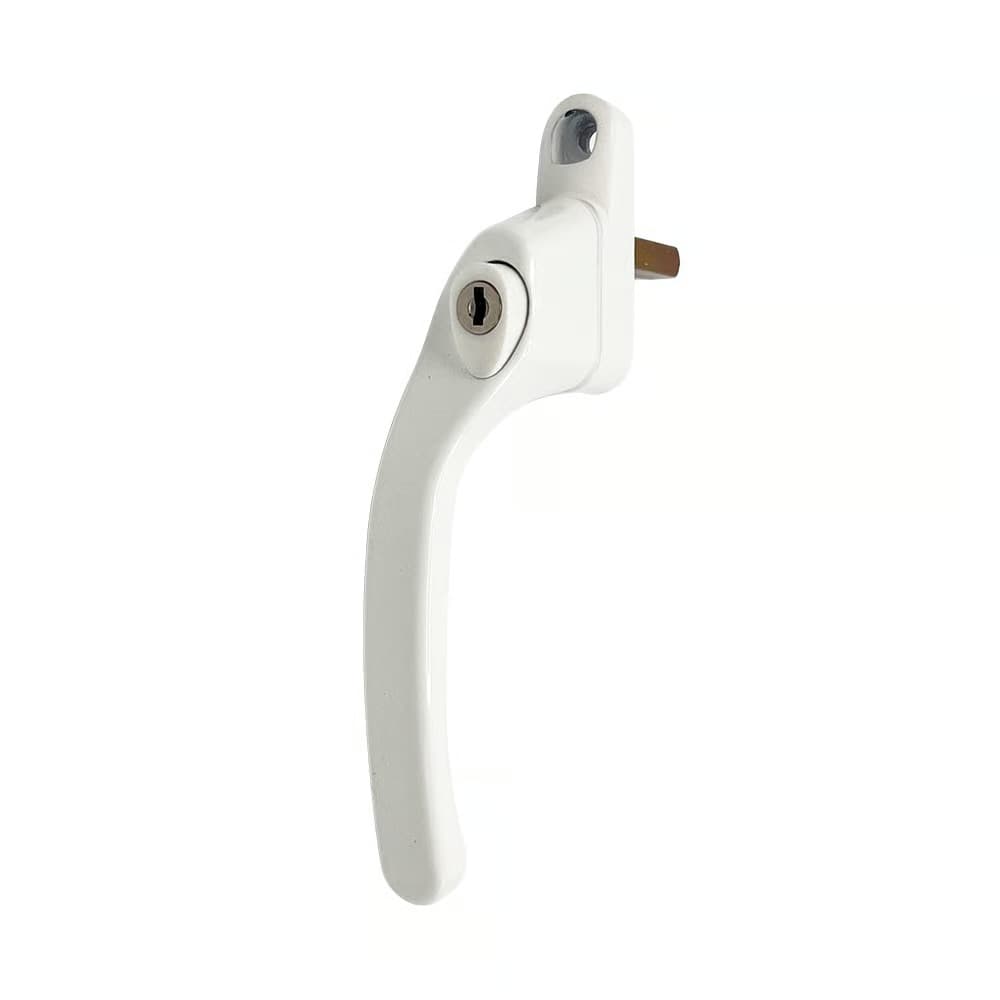
For a direct replacement, matching the fixing centres and spindle size is essential. Where modernisation is desired, consider upgrading to a higher-security option that suits the existing cut-outs. For a robust espag solution, consider the TSS Cockspur Window Handles. For older-style windows, the TSS Cockspur Window Handle is a common, cost-effective choice. The TSS Offset UPVC Window Handles provides a modern lever option for many residential applications.
Required tools and materials
Assemble tools before beginning to avoid interruptions. Typical items include:
- Screwdrivers (Pozidriv and flat-head) of appropriate sizes
- Hex key or Allen key set for grub screws
- Tape measure or callipers
- Replacement handle and associated fixings
- Torx driver set if needed for concealed fixings
- Soft cloth and mild cleaner for finishing
- Masking tape to protect frames during levering or prising
- Small hammer and punch for stubborn rivets or pins
Step-by-step replacement procedure
1. Prepare the area: open the window and support the sash to prevent it moving while the handle is removed. For top-hung or heavy sashes, use a prop or have an assistant hold the sash. Lay a soft cloth on the sill to protect the frame and glass.
2. Remove the old handle: inspect whether the handle is fixed with visible screws or concealed by a cover. If there is a decorative cap, prise it off gently with a flat-head screwdriver wrapped in a cloth. Unscrew the fixing screws and withdraw the handle from the spindle. For espag handles, there may be a grub screw in the neck—loosen this first with the correct hex key.
3. Inspect and clean: check the spindle and the hole in the frame for wear, damage or corrosion. Clean any grime and apply a small amount of silicone grease to moving parts to ensure smooth operation. If the spindle is worn or bent, replace it before fitting the new handle.
4. Trial fit the new handle: insert the spindle of the new handle and position the backplate. Confirm the screw holes line up; use a template or masking tape to mark holes if drilling is necessary. Where holes do not align, avoid forcing screws—enlarge holes carefully or use appropriate screw anchors.
5. Secure the handle: fit screws loosely first then operate the handle to ensure correct engagement with the mechanism. Tighten screws evenly to avoid distortion of the backplate. For handles with a locking function, check the lock engages smoothly and the key turns freely.
6. Final checks: open and close the window several times, checking for smooth operation and that the handle returns to the correct closed position. Confirm the gasket or bead compresses evenly and there is no binding. Wipe away fingerprints and apply threadlocker to screw heads if working on a period timber window prone to vibration.
Safety tips for tradespeople and homeowners
- Always support the sash: unsecured sashes can slam or fall when handles are removed, risking injury or glass breakage.
- Wear eye protection and gloves when drilling or working with corroded fixings.
- Use the correct driver bits to avoid stripping screw heads; replacing stripped screws can be time-consuming.
- Keep the work area clear of bystanders, especially children and pets, when handling heavy sashes or tools.
- For windows above ground floor level, consider temporary edge protection or a harness when accessing the external face from a ladder. Work with a second person for ladder tasks.
- If the window mechanism appears corroded, warped or significantly damaged, replacing the handle alone may not restore safe operation—assess whether the espag gearbox or locking mechanisms require professional attention.
Common problems and practical solutions
- Stripped screws: use a screw extractor or cut a new slot carefully with a sharp saw blade. Apply penetrating oil to free corroded fixings before attempting removal.
- Misaligned screw holes: fill old holes with a dowel or wood filler in timber frames, or use plastic plugs in uPVC, then redrill to the correct position.
- Bent spindle: remove and replace the spindle; spindles are inexpensive and easily swapped. Ensure the new spindle square matches the handle and gearbox.
- Handle sticking or stiff operation: strip, clean and lubricate the mechanism. Replace any worn components if lubrication does not restore free movement.
Aftercare and maintenance
Regular light maintenance will extend the life of a new handle. Wipe handles with a mild detergent and dry thoroughly. Lubricate moving parts annually with silicone grease; avoid heavy oils that attract dust. Check screws for tightness and re-torque if necessary, particularly on heavily used windows or those on frequently used doors.
Replacing window handles is a cost-effective way to improve security, ease of use and aesthetics. With accurate measurement, the right tools and attention to safety, most replacements are straightforward for competent homeowners and tradespeople. For further guidance on selecting the correct handle and specifications for different window types, consult the comprehensive Window Handles Guide.