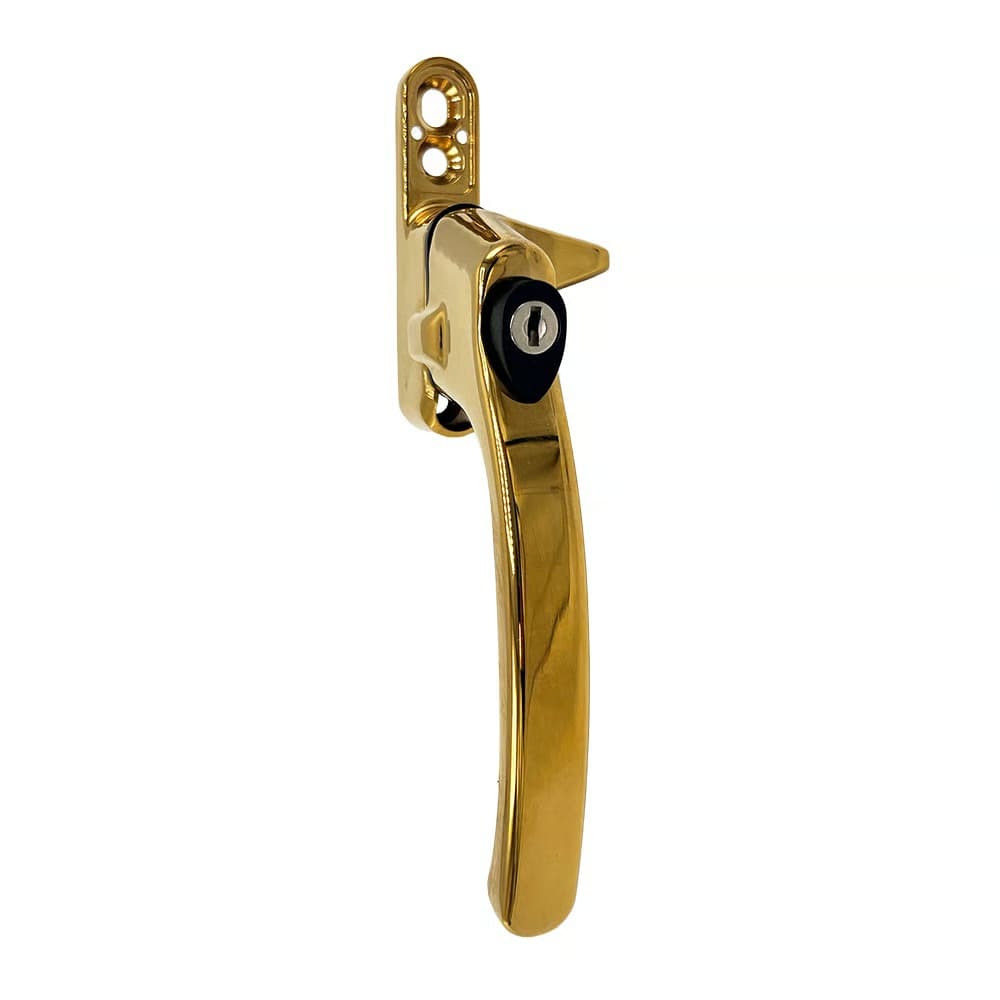
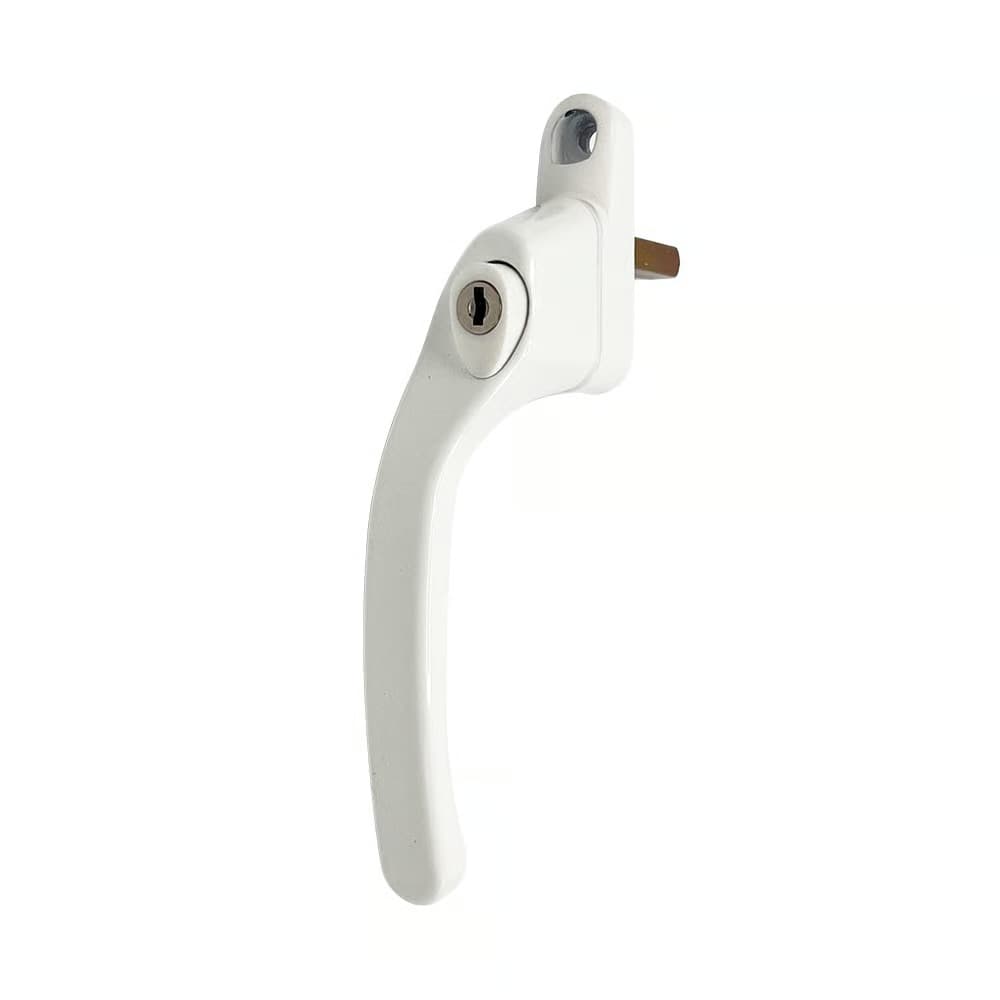
Replacing Window Handles: Why Handles Go Stiff and How to Fix It
Window handles become stiff for a variety of reasons, and understanding the root cause is essential before attempting repairs or replacing window handles....
Window handles become stiff for a variety of reasons, and understanding the root cause is essential before attempting repairs or replacing window handles. This article explains common causes, step-by-step diagnostic checks, practical maintenance tips, and clear instructions for replacing different handle types. It is written for homeowners and tradespeople seeking reliable, actionable guidance.
Why window handles go stiff
Several mechanical and environmental factors contribute to stiff window handles:
- Dirt and corrosion: Accumulated dust, grit and moisture can cause metal parts to corrode or bind.
- Lack of lubrication: Moving parts require periodic lubrication; dried grease or absence of lubricant increases friction.
- Worn or damaged gearbox/spindle: Repeated use can wear the internal mechanism on espagnolette or multipoint systems.
- Loose or misaligned fittings: Loose screws or distorted locking plates can change the leverage and cause stiffness.
- Paint build-up: Paint over the handle or frame can restrict movement, especially in older timber windows.
- Cold weather: Metal contracts in low temperatures, increasing friction and reducing tolerance between components.
Diagnostic checklist before replacing handles
Complete these checks to identify whether the handle itself is at fault or if another component requires attention:
- Visual inspection: Look for obvious corrosion, cracked plastic, stripped screw heads or bent spindles.
- Operate slowly: Try the handle gently while observing the gearbox area and keep an eye on the locking keeps inside the frame for binding.
- Check screws and fixings: Ensure handle fixings, roses and backplates are secure. Loose fixings can make operation feel stiff.
- Test other windows: If multiple windows in the property exhibit stiffness, environmental or maintenance issues are more likely than isolated component failure.
- Remove the handle to inspect the spindle and mechanism: If the spindle rotates freely in the removed handle but binds in the frame, the issue is in the sash or locking mechanism rather than the handle.
Basic maintenance to restore smooth operation
Before removing or replacing hardware, try these straightforward maintenance steps:
- Clean around the mechanism: Use a brush and a vacuum or cloth to remove dust and grit from the handle base, gearbox and keeps.
- Remove paint deposits: Carefully use a craft knife or a small chisel to remove paint build-up from the handle base and frame, taking care not to scratch finishes.
- Lubricate moving parts: Apply a light, solvent‑free silicone spray or white lithium grease to the spindle, gearbox and locking points. Avoid oil-based lubricants that attract dust.
- Tighten all fixings: Secure loose screws but avoid over-tightening which can distort components.
- Check alignment: Operate the window and observe whether locking points meet correctly; adjust frame keeps or striker plates as required.
How to replace standard espag and casement handles
Replacing handles on common espagnolette and casement windows is a routine task for tradespeople and competent DIYers. Follow these steps:
- Tools needed: screwdriver set (Pozidriv and slotted), Allen keys, replacement handle, cleaning cloth, lubricant.
- Remove the existing handle: Unscrew the fixing screws on the rose or backplate and pull the handle off the spindle. Keep screws if the new handle uses the same fixings.
- Inspect the spindle and gearbox: Check for rounded spindles, fractured plastic bushes or damaged gearing. Replace the gearbox if heavily worn.
- Fit the new handle: Ensure the spindle orientation matches the handle mechanism. Slide the handle on and tighten screws evenly to avoid distortion.
- Test operation: Cycle the handle several times to confirm smooth movement and correct engagement with the locking points.
- Fine adjustments: If the handle feels tight after fitting, slightly back off fixings, re-align the handle position and retighten.
Replacing cockspur and casement fastener handles
Older timber and aluminium windows commonly use cockspur handles or casement fasteners which require a slightly different approach:
- Remove the handle: Unscrew the handle from the face of the frame. Access may be restricted on some aluminium profiles; use a slim screwdriver if necessary.
- Replace or refurbish the locking arm: If the cockspur arm is bent, replace it rather than forcing it back into shape.
- Install new handle: Align the handle with the fastening holes and secure with appropriate screws. Use corrosion-resistant screws in exterior situations.
- Test and adjust keeps: Verify the cockspur engages fully with the strike plate; move the keep slightly if adjustment is required.
Choosing the correct replacement handle
Selecting the right handle avoids later issues:
- Match spindle size and length: Common spindle sizes are 7mm and 8mm square; measure the existing spindle and depth from rose to gearbox.
- Check screw hole centres: Measure the distance between fixing holes (e.g., 38mm or 43mm) to ensure a correct fit.
- Consider handedness and offset: Some handles are hand-specific or offset for deeper frames.
- Consider security features: For improved security choose handles with integral key locks or secure gearbox compatibility.
- Finish and material: Choose corrosion-resistant finishes suitable for coastal areas, such as stainless steel or specially coated alloys.
When to replace the entire locking mechanism
Replacing the handle may not resolve problems caused by a failing espagnolette gearbox or multipoint lock. Indicators that a full mechanism replacement is required include:
- Clicking or grinding noises from inside the mechanism
- Handle spins without engaging the lock
- Multiple locking points failing to operate simultaneously
- Visible metal fatigue or fractured components
Final practical tips
- Keep a small maintenance kit: silicone spray, white lithium grease, spare screws and a folding brush.
- Record handle and spindle measurements when replacing to simplify future purchases.
- Use corrosion-resistant fastenings and finishes in exposed locations.
- For tenants’ or communal buildings, maintain a schedule for inspection and lubrication to avoid escalation into costly mechanism replacements.