Universal Window Handles: Avoid These Buying Mistakes
Choosing universal window handles sounds simple, yet several common mistakes lead to poor fit, insecure windows, and frustrating returns. This guide explai...
Choosing universal window handles sounds simple, yet several common mistakes lead to poor fit, insecure windows, and frustrating returns. This guide explains what to check before buying universal window handles, how to measure correctly, and which features matter for longevity and security. Practical, trade-tested advice helps homeowners and tradespeople buy handles that actually fit and perform.
Understand what “universal” really means
“Universal window handles” can imply wide compatibility, but manufacturers interpret the term differently. Some universal handles accept multiple spindle sizes and screw centres; others are designed to fit a specific range of hardware systems. Confirm compatibility with the existing locking mechanism type: espagnolette (espag), cockspur, or tilt-and-turn systems are the most common. Matching the handle to the hardware mechanism prevents fitting issues and avoids stressing the lock case.
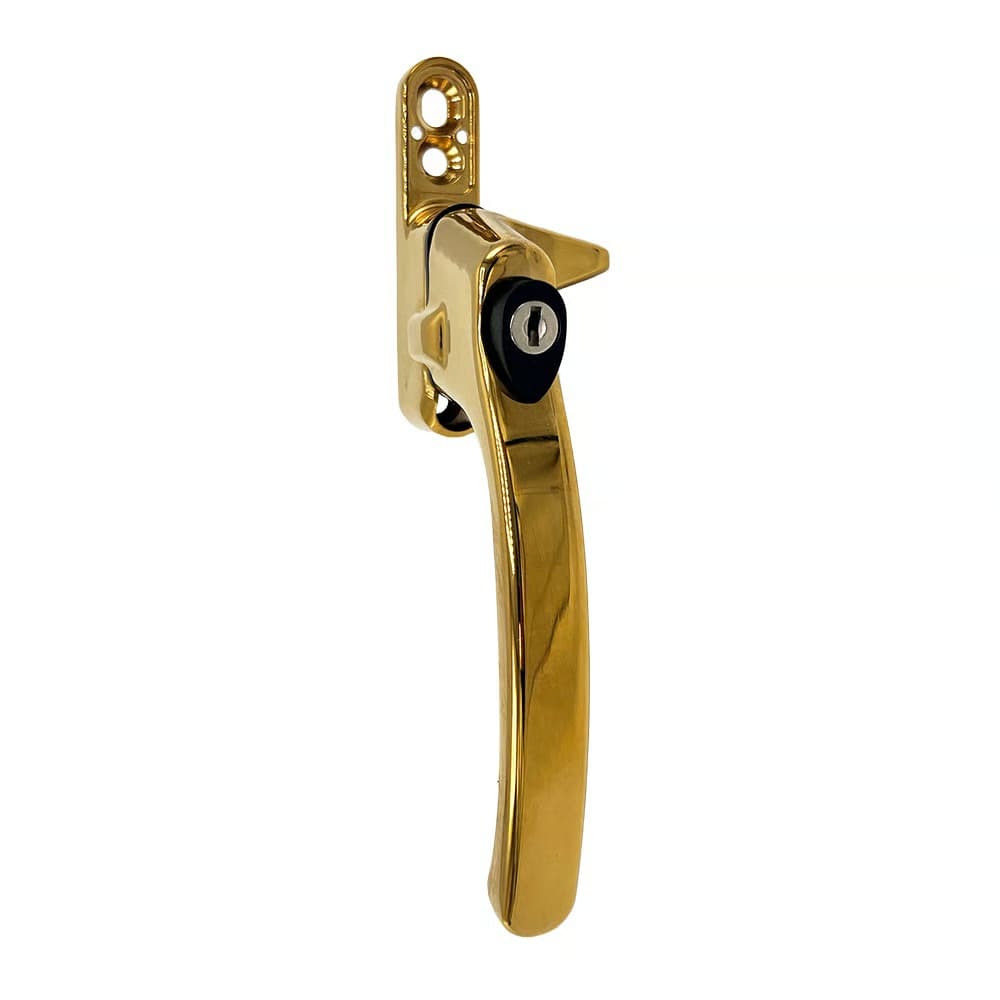
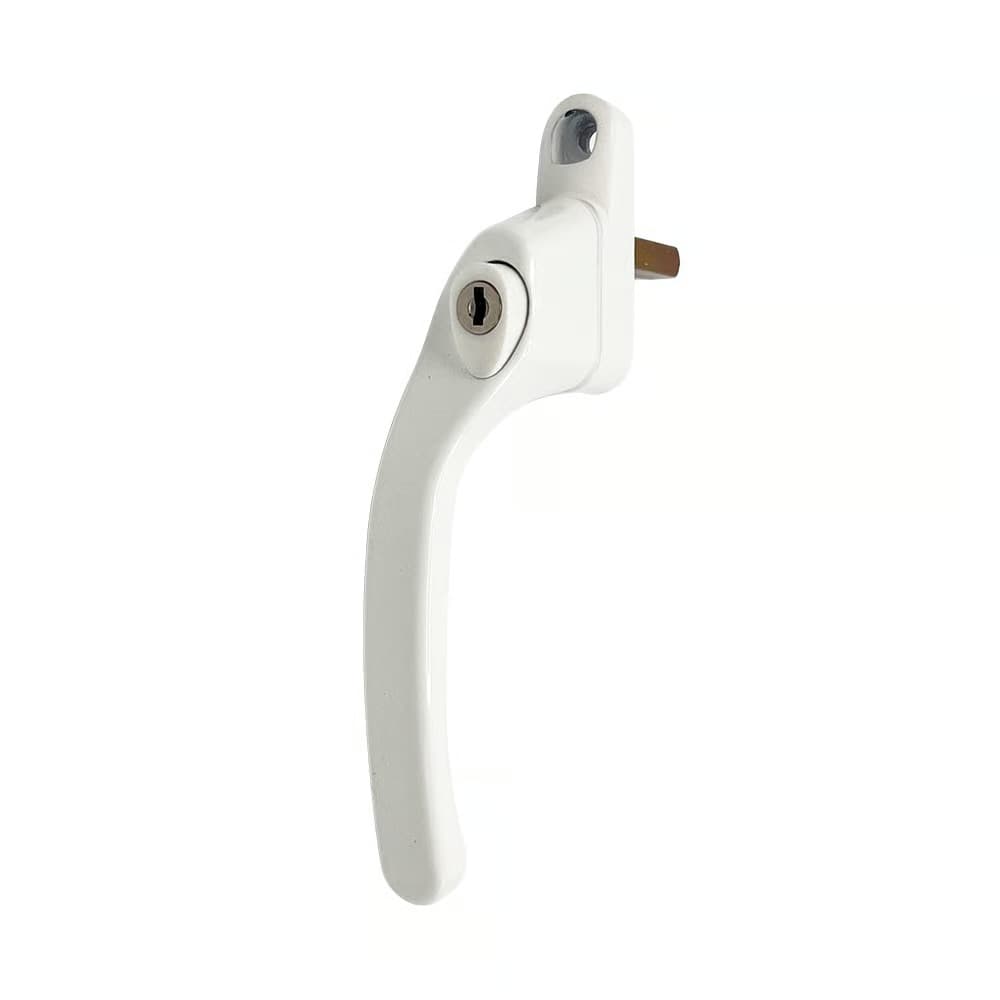
Recommended examples for different systems include the TSS Cockspur Window Handles for espag systems, the TSS Cockspur Window Handle for traditional casement windows, and the TSS Offset UPVC Window Handles for robust, general-purpose applications.
Measure precisely — don’t guess
Incorrect measurements are the single biggest cause of returns.
- Screw centres: Measure the distance between the fixing screw centres on the window frame or handle base. Common centres are 43mm and 47mm for cockspur and vary for espag plates.
- Spindle size and length: Measure the spindle thickness (usually 7mm or 8mm for many UK systems) and the length from the back of the handle rose to the end of the spindle. A spindle that’s too short will not engage the mechanism; one too long may bottom out and warp the handle.
- Backset/depth: For some handles the rose or backplate depth needs to clear window seals and beaded profiles. Measure the distance from the face of the window sash to the lock case.
- Handing and orientation: Note whether the window is left- or right-hand opening; some handles are handed and won’t fit the opposite side without modification.
Match handle type to locking mechanism
- Espag/espagnolette: Requires handles that drive a square spindle or engage an espag gearbox. The handle must align with the espag gearbox height and engage correctly with the multi-point locking rod.
- Cockspur: Uses a protruding cam or hook that the handle pulls; cockspur handles need the correct cam length and screw centres.
- Tilt-and-turn: Typically requires handles with firmer action and robust fixing due to higher loads; locking positions are often clockwise for different modes.
Prioritise security standards and locking features
Security is not cosmetic. Look for handles with recognised security features:
- Key-locking or push-button locking: Key-locking handles add a layer of security for ground-floor windows. Push-button locking can deter casual opening but may not meet higher-security requirements.
- TS-007 or PAS 24 compatibility: While handles alone don’t achieve full certification, selecting hardware from reputable brands with security testing reduces risk.
- Torque and spindle engagement: The handle should fully engage the gearbox without play. Excessive play indicates poor engagement and potential security compromise.
Choose suitable material and finish
Material influences durability and appearance:
- Aluminium and zinc alloys: Common and cost-effective, but check plating quality to avoid corrosion and wear.
- Stainless steel: More durable and ideal for coastal locations where salt air accelerates corrosion.
- Powder-coated or anodised finishes: Offer better long-term resistance to fading and corrosion. Match finish to other hardware for a coherent look.
Consider ergonomics and usage patterns
Handle shape and locking action affect daily use:
- Lever handles: Easier for older users or frequent operation; choose a solid lever with good grip.
- Slimline handles: More discreet but may be harder to operate when wearing gloves or with arthritic hands.
- Multi-point locking travel: Handles must provide sufficient travel to fully operate the lock. Short-hub handles can fail to drive locking rods to the end positions.
Check fixing method and spares availability
Confirm whether the handle fixes to the sash with through-bolts, screws into the sash, or clips onto the mechanism. Verify the availability of spares such as spindles, roses, and set screws. Using a handle that requires manufacturer-specific non-standard fixings increases long-term maintenance costs.
Avoid common buying mistakes
- Buying by look alone: A handle that matches the decor may not fit the mechanism or screw centres.
- Ignoring spindle and screw centre specs: Ensure both dimensions match; adapters are a temporary fix but often lead to sloppy operation.
- Choosing cheap material: Initial savings can be negated by premature replacement and security issues.
- Forgetting handing and window configuration: Left-hand and right-hand windows sometimes require different handle orientations.
- Not checking return or warranty terms: Tradespeople should verify supplier return policies for mismeasures and defects.
Installation and maintenance tips
- Tighten fixings progressively and avoid overtightening which can strip threads or deform roses.
- Use the correct spindle size and cut to length only when specified by the manufacturer; improper cutting can weaken the spindle.
- Grease moving parts lightly with a dry lubricant to prevent grit build-up; avoid heavy greases that attract dirt.
- Re-check screw centres and spindle engagement during installation and adjust strike plates or keeps for smooth operation.
Conclusion
Purchasing universal window handles requires careful measurement, knowledge of the locking mechanism, and attention to security and material quality. Avoid the frequent mistakes of buying by appearance alone, mismeasuring spindles and screw centres, or selecting inappropriate locking types. Accurate measurements, compatibility checks, and selecting trusted products result in reliable performance and safer windows.