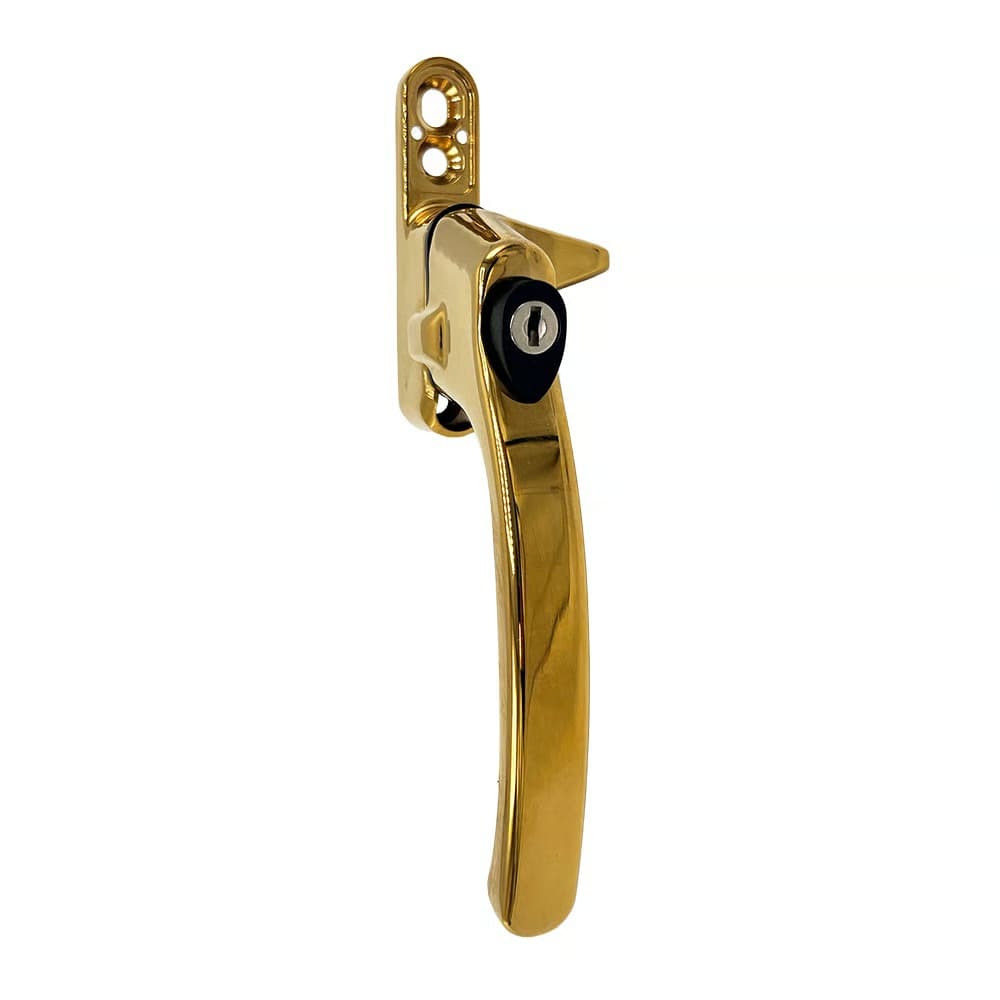
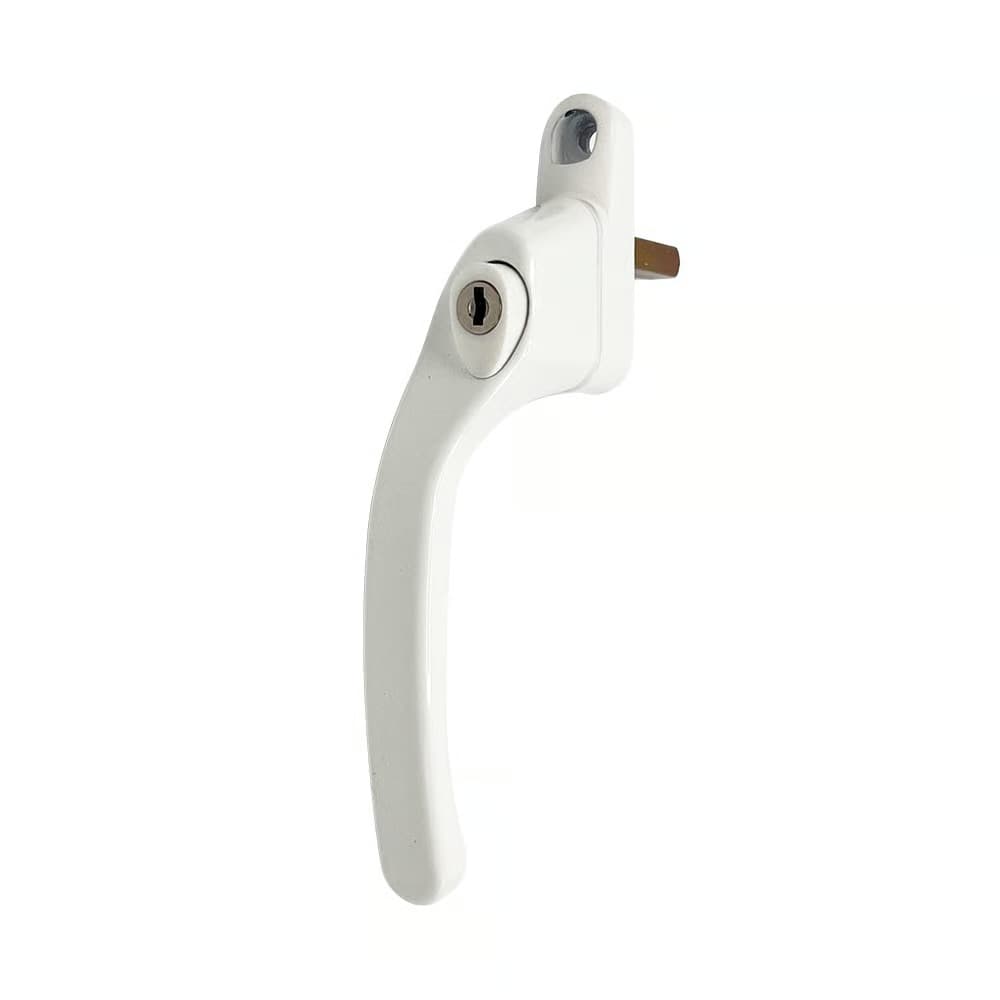
Universal Window Handles: Common Screw Centre Sizes
Universal window handles are a convenient option for many homeowners and tradespeople because they can fit a range of window types when the screw centre ma...
Universal window handles are a convenient option for many homeowners and tradespeople because they can fit a range of window types when the screw centre matches. This article explains common screw centre sizes, how to measure them accurately, and practical tips for selecting the right universal window handles for repair or upgrade jobs.
What "screw centre" means and why it matters
The screw centre (centre-to-centre) is the distance between the mounting screws that secure the handle to the window frame. It is the primary dimension that determines whether a replacement handle will align with existing holes and fixings. Choosing a handle with the correct screw centre saves drilling new holes, preserves the frame, and minimises installation time.
Universal window handles are designed to accommodate several screw centre sizes through adaptable backplates or multiple fixing positions. However, not every universal handle will suit every window, so measuring before ordering is essential.
Common screw centre sizes
Many manufacturers and distributors report consistent sizes across popular handle types. Typical centre-to-centre measurements encountered on UK windows include:
- 38–40 mm: Found on many traditional cockspur and older metal-frame handles. This size is common on casement windows with external locking hooks.
- 43–45 mm: Frequently seen on espagnolette and modern multipoint locking systems. Many replacement espag-style handles will match this range.
- 48–52 mm: Appears on some modern uPVC handles and variants designed for reinforced fixings. This range is also common where thicker backplates or spacer requirements exist.
- 57–85 mm and above: Less common but used on specialised or commercial hardware, incl. certain long-plate or offset applications.
How to measure screw centres accurately
Accurate measurement is critical. Use this simple method:
1. Remove the existing handle. If removal is not possible, measure from the visible centre of one screw head to the centre of the other, not edge to edge. 2. Use a steel rule or digital calliper for precision to the nearest millimetre. 3. Measure the distance between the centres of the two mounting screw holes (centre-to-centre). If the handle has more than two fixings, measure the ones that carry the load or are used as the primary fixings. 4. Record spindle length and backset if replacing a handle that operates a gearbox. Spindle length is the square spindle measurement from the face of the handle to the gearbox. Backset is the distance from the face of the handle to the locking mechanism. 5. Note handedness (left or right) and whether the handle is lockable. Handing affects lever orientation and keyhole position.
Relying on approximate visual comparison can lead to mismatched fixes and unnecessary drilling. When in doubt, take the old handle to supply or photograph it next to a rule with measurements.
Selecting the right universal window handle
Consider the following practical points when choosing a universal window handle:
- Match the screw centre first. A universal handle that lists compatible centres or has elongated slots for screws provides flexibility.
- Check spindle size and length. A common spindle is 7 mm square for many uPVC handles, but variations exist. Adjustable spindles or different-length spindles may be included with some universal sets.
- Look for replaceable or reversible backplates if the existing screw holes are slightly offset.
- Verify the handle’s compatibility with the gearbox or espagnolette. Some universal handles are for cosmetic replacement only and do not engage with specialised locking gear.
- Choose corrosion-resistant finishes for exposed or coastal installations. Powder-coated, anodised aluminium, or stainless steel fastenings extend life.
- Confirm whether the handle is lockable. Lockable universal handles are available and may include reversible cylinders or modular locks.
Installation tips and common pitfalls
- Always tighten fixes in sequence to avoid warping the backplate. Hand-tighten screws first and then finish with the appropriate torque—over-tightening can crack uPVC.
- Use the correct screw length. Screws that are too long may penetrate the frame internals; too short will not secure the handle adequately.
- If screw holes are damaged or oversize, use a backing plate or insert to restore a secure fixing. Resin anchors or specialised window frame repair kits provide a durable repair without replacing the whole sash.
- When the handle operates a gearbox, ensure the spindle engages squarely and that the handle is not installed under strain. Misaligned spindles cause premature wear of the gearbox or the handle.
- For multi-point locking systems, replace handles in matched pairs when possible to maintain consistent operation and aesthetics.
When a full replacement is the better option
Replacing a single handle is often quick and cost-effective. However, a full replacement of the handle and gearbox is justified when:
- The gearbox is worn, causing poor locking or slippage.
- The frame screw threads are stripped and cannot be repaired reliably.
- The existing hardware is obsolete, and compatible spares are scarce.
- Security upgrade is required, such as fitting a high-security espag handle with anti-snap features.
Final practical checklist before ordering
- Measure centre-to-centre precisely and record spindle length.
- Note handle handing and whether lockability is needed.
- Inspect old fixings for damage; decide whether repair or replacement of the frame is required.
- Choose finishes and materials suitable for the property’s environment.
- Confirm that the chosen universal window handles list the measured centres or provide adjustable fixing slots.