Universal Window Handles for uPVC: Compatibility Checklist
Universal window handles for uPVC present a straightforward upgrade for many properties, but compatibility varies with locking mechanisms, spindle sizes an...
Universal window handles for uPVC present a straightforward upgrade for many properties, but compatibility varies with locking mechanisms, spindle sizes and screw centres. This checklist outlines practical steps to determine whether a universal handle will fit a particular uPVC window, and offers clear installation and maintenance guidance for homeowners and tradespeople.
Understand the main uPVC handle types
Different handle styles engage different locking systems. Common types are espagnolette (espag) handles, cockspur handles and cam handles.
- Espag handles operate a gearbox and multipoint espagnolette locking rod. They commonly mount with a pair of through-fixings and a square spindle.
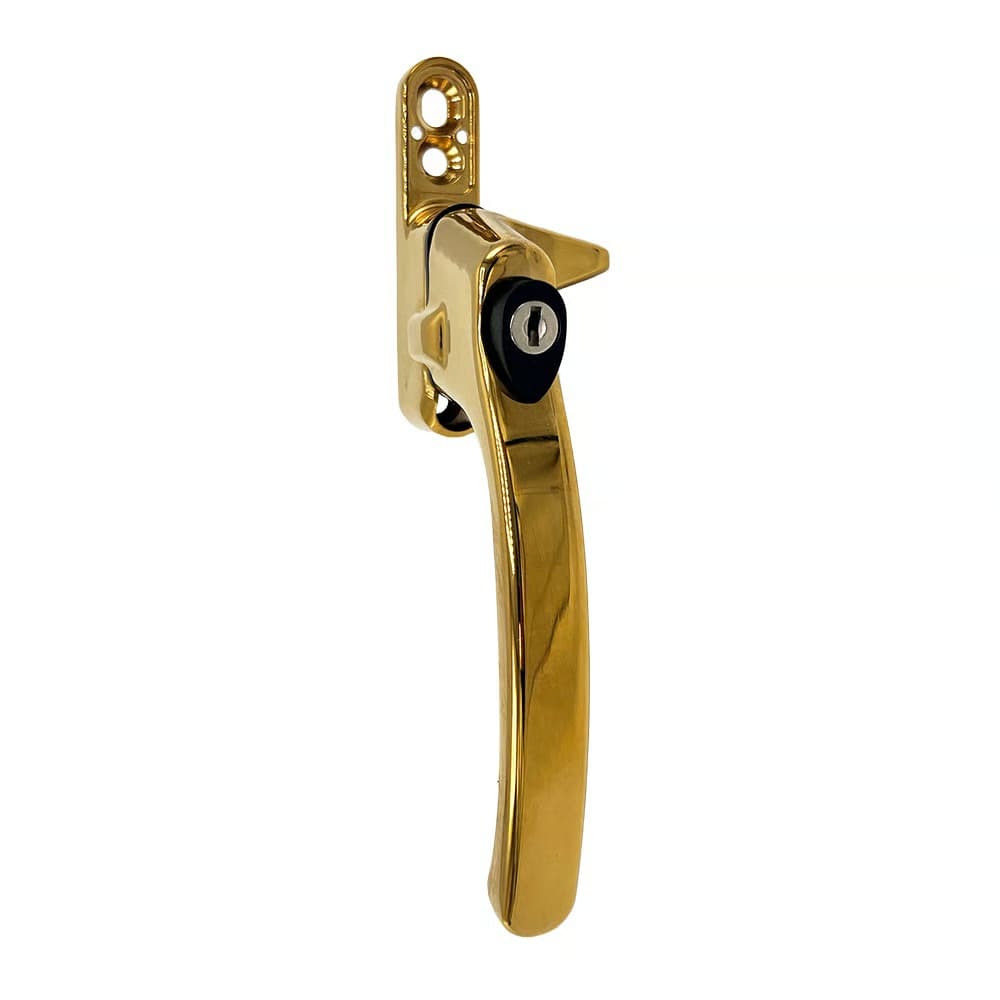
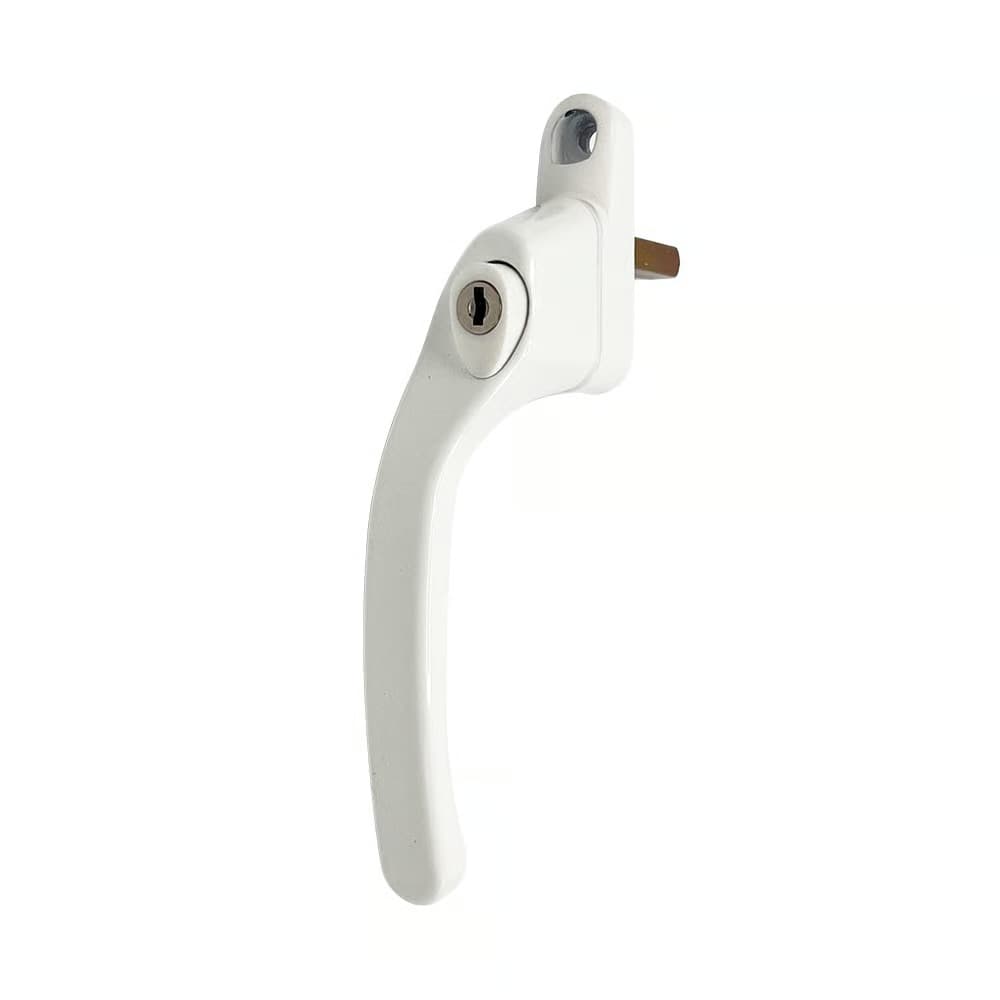
- Cockspur handles use a hook or lug that engages directly with the window frame when turned, and usually fix with two screws into the sash.
- Cam or gearbox-mounted handles drive a cam or follower that operates a simple lock.
Measure critical dimensions
Accurate measurements prevent returns and wasted labour. Record the following:
- Spindle size and length: Common square spindle sizes are 7mm and 8mm; confirm by measuring the side of the square. Spindle length must reach the gearbox—measure from the handle face to the inner edge of the sash.
- Screw centres: Distance between the centres of the fixing screws (usually measured in mm). Standard centres are often 43mm, 47mm or 89mm for different systems. Measure from screw hole centre to centre.
- Backset: Distance from the handle faceplate to the centre of internal locking mechanism or follower. Some universal handles have adjustable backsets.
- Projection: How far the handle protrudes from the window. Necessary when space outside the window is limited.
Identify directionality and handedness
Some handles are reversible and will fit left- or right-hand windows, but others are handed. Confirm whether the handle’s spindle and screw orientation match the window. When replacing a handle, note the locked and unlocked rotation direction so the new handle operates the same way. Many universal handles have reversible mechanisms; where they do not, choose the correct handed model.
Check locking mechanism compatibility
uPVC windows use a variety of locking components: espagnolette rods, shootbolts, mushroom cams and multipoint gearboxes. A handle will only work if its spindle and fixing method actuate the existing mechanism. Actions:
- Inspect the end of the spindle: Does it engage a gearbox slot, a square receiver, or a rounded follower?
- Examine the gearbox or cam for wear — heavily worn gearboxes may need replacing rather than a new handle.
- For multipoint systems, confirm the handle length and torque requirement suit the locking gear. Handle materials and internal design affect required operating force.
Material, finish and security features
Consider durability and security in addition to fit:
- Material: Aluminium and zinc alloys are common. Die-cast zinc offers good value; stainless components resist corrosion better in coastal locations.
- Finish: White, satin chrome, gold or black finishes should match the window and provide sufficient durability. Powder-coated finishes usually outlast painted alternatives.
- Security features: Look for anti-drill plates, reinforced spindles, and 3 star or TS007-rated locks for enhanced security. Security-rated handles often include provisions to resist lever-snapping or forced entry.
Installation checklist and practical tips
Follow these actionable steps to ensure a smooth installation:
1. Prepare tools: screwdriver set, tape measure, vernier calipers if available, marker, and lubricating spray. 2. Remove old handle carefully: unlock, remove cosmetic cap(s), undo fixings and withdraw spindle slowly to inspect for wear. 3. Test fit the spindle and screw centres with the replacement handle before final tightening. 4. Use the correct screw length: screws must engage the sash material without protruding into the cavity. uPVC can strip if screws are oversized; consider thread-forming screws or pilot holes. 5. Tighten fixings evenly to avoid distorting the handle backplate. Over-tightening can bind the mechanism. 6. Apply a light silicone-based lubricant to the gearbox and spindle—avoid heavy oils that attract dust. 7. Check operation through a full open/close and locked/unlocked cycle. Verify that the handle returns to the correct resting position. 8. Replace damaged or worn gearboxes identified during removal. A new handle alone cannot compensate for a failing locking mechanism.
Tradespeople should batch-check adjacent windows for similar wear to pre-empt repeat visits.
Troubleshooting common issues
- Handle won’t engage the mechanism: Confirm correct spindle orientation and that the spindle length is sufficient to engage the gearbox or cam.
- Excessive play in handle: Check for worn square spindle or stripped gearbox; replace gearbox if necessary.
- Handle stiff or hard to operate: Lubricate gearbox and check for sash misalignment. Over-tightened hinges or sash swelling can bind the mechanism.
- Wrong handed handle fitted: Swap to the reversible/relevant handed model; many universal designs allow quick reversal without tools.
Final considerations
A systematic measurement and inspection routine reduces errors when selecting universal window handles for uPVC. Prioritise matching handle type to mechanism, confirm spindle and screw dimensions, and choose robust materials and security features appropriate to the property. Proper fitting practices and routine maintenance will extend the life of the handle and the window locking system.