Universal Window Handles: How to Measure for Fit
Universal window handles offer a convenient way to replace worn or obsolete fittings without the need to change the whole window. Accurate measurement is t...
Universal window handles offer a convenient way to replace worn or obsolete fittings without the need to change the whole window. Accurate measurement is the foundation of a successful swap: incorrect dimensions lead to poor function, security issues and unnecessary expense. This guide explains how to measure for a proper fit, covering common handle types, essential dimensions, tools, and practical tips for homeowners and tradespeople.
Understand handle types and compatibility
Different handles operate different mechanisms and require different measurements. Familiarity with the main types simplifies the process:
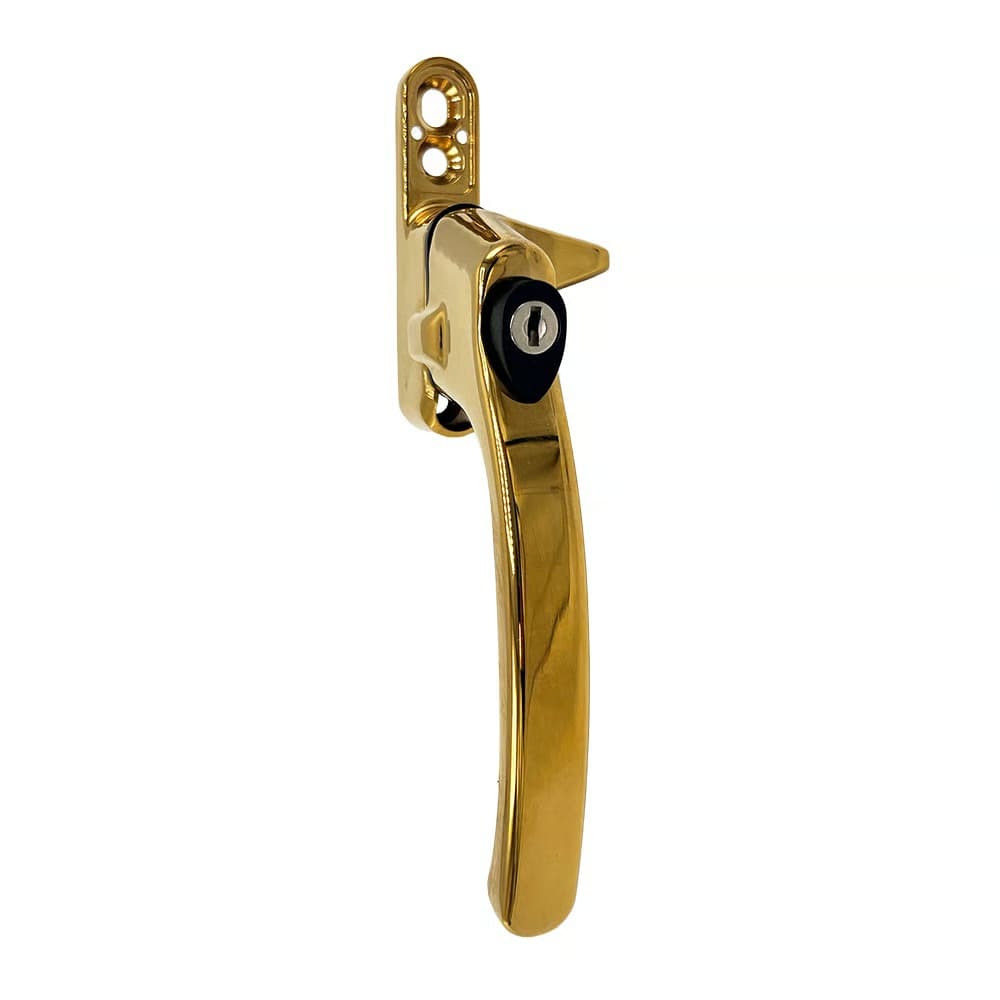
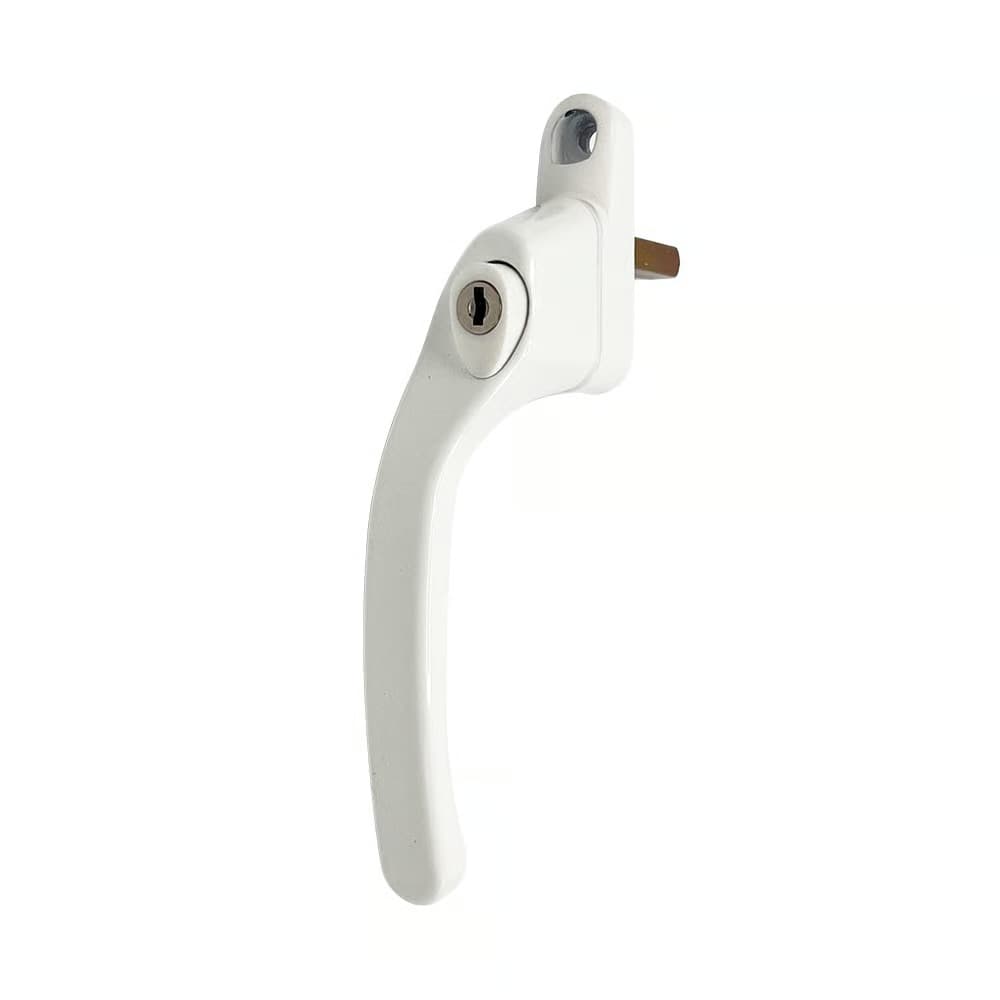
- Espag handles (espagnolette) operate a multi-point locking rod and require a specific spindle and key or screwfixing positions — common in modern uPVC and aluminium windows such as the TSS Cockspur Window Handles.
- Cockspur handles are surface-mounted and clamp onto the window frame; they measured differently and often have asymmetric fixings as with the TSS Cockspur Window Handle.
- Lever/lever and heritage styles used in timber windows may have different spindle sizes and screw-centre distances; the TSS Offset UPVC Window Handles is an example of a robust lever handle suitable for many traditional frames.
Required tools
Prepare the following basic tools for accurate measurement:
- Steel rule or tape measure (preferably metric)
- Vernier calipers for precise spindle diameter
- Flat-head and cross-head screwdrivers to remove the handle
- Masking tape and a marker for noting dimensions
- Notebook or smartphone camera to photograph original fixings
Key measurements to take
1. Screw centres (fixing centres) - Measure the distance between the centres of the handle’s fixing screws. Do this with the handle mounted or by removing the handle and measuring between the holes. Many replacement handles are quoted by screw-centre measurement (e.g. 43 mm, 70 mm).
2. Spindle size and length - Spindle diameter: Remove the handle and measure the square spindle with calipers (common sizes: 7 mm or 8 mm). A metal insert or adapter may be required if a universal handle is used. - Spindle length: Measure the length of the spindle projecting from the mechanism to ensure the replacement will engage the gearbox properly. Note whether spacers or shims are needed.
3. Backset / centre to face - For espag handles, measure from the edge of the window frame to the centre of the screw that secures the handle or to the spindle axis. This backset influences whether the handle will clear the window profile and operate the lock.
4. Handle projection and clearance - Measure how far the handle projects from the frame when fixed horizontally and vertically. Ensure the new handle won’t strike the architrave, tiles or furniture.
5. Handing (left/right orientation) - Determine the rotation direction and whether the handle is for a left- or right-hand opening. For espag handles, note whether the handle operates clockwise or anticlockwise when closing. Some universal handles are reversible; others are handed.
6. Locking mechanism type - Confirm whether the handle includes an internal gearbox, is key-lockable or works with a separate sash lock. This affects compatibility with existing locking rods and keeps.
Record all measurements in millimetres and keep photos of the removed handle and its mechanism.
Practical measuring tips for accuracy
- Measure twice: confirm dimensions to avoid ordering errors.
- Use a straight edge when measuring screw centres if the handle is mounted on moulded or curved surfaces.
- If mounting holes are stripped or elongated, measure the original hole centres and inspect the frame material to assess whether repair or reinforcement is necessary.
- When measuring spindle length, include any recess depth in the handle backplate so the spindle engages fully without bottoming out.
- Note the type and length of any bolts or machine screws used; replacements may be required if the new handle uses different thicknesses.
Options when measurements don’t match exactly
Universal window handles are designed to suit a range of dimensions, but there are limits. Practical solutions when measurements differ slightly:
- Use adapter plates or backplates to alter screw centres and cover mismatched fixing holes.
- Fit spindle extenders or reduce spindle length with a hacksaw and file where necessary. Ensure the cut spindle retains a proper square form and correct length tolerance.
- Use through-bolts with longer screws if the new handle requires deeper engagement. Always use stainless-steel fixings for corrosion resistance.
- For significant mismatches, consider a conversion kit (e.g. from espag to cockspur) or replace the locking mechanism if the existing hardware is obsolete.
Installation best practice
- Test-fit the handle without fully tightening screws to confirm operation and clearance.
- Apply a small amount of thread-locker to screws in areas subject to vibration, but avoid over-tightening which can strip fixings.
- Ensure the handle returns to the neutral position smoothly; lubricate the gearbox sparingly with a light machine oil if stiff.
- For keyed handles, verify key operation after fitting and keep a spare key in a secure location.
Final considerations
Accurate measurements and careful preparation reduce the risk of ordering incorrect parts and speed up installation. Tradespeople benefit from carrying a small selection of common spindle sizes, screw types and adapter plates; homeowners can save time by photographing the old handle and noting the critical measurements before ordering replacements. Correctly chosen universal window handles provide a cost-effective, secure and attractive upgrade that prolongs the life of the window.