Universal Window Handles: Inline vs Cranked Options
Universal window handles are a popular choice for retrofit and replacement projects because they can suit a variety of window profiles while offering strai...
Universal window handles are a popular choice for retrofit and replacement projects because they can suit a variety of window profiles while offering straightforward installation and reliable operation. This article compares inline and cranked options, explains suitability for common situations and provides practical guidance for selection, measurement and installation for homeowners and tradespeople.
What are inline and cranked universal window handles?
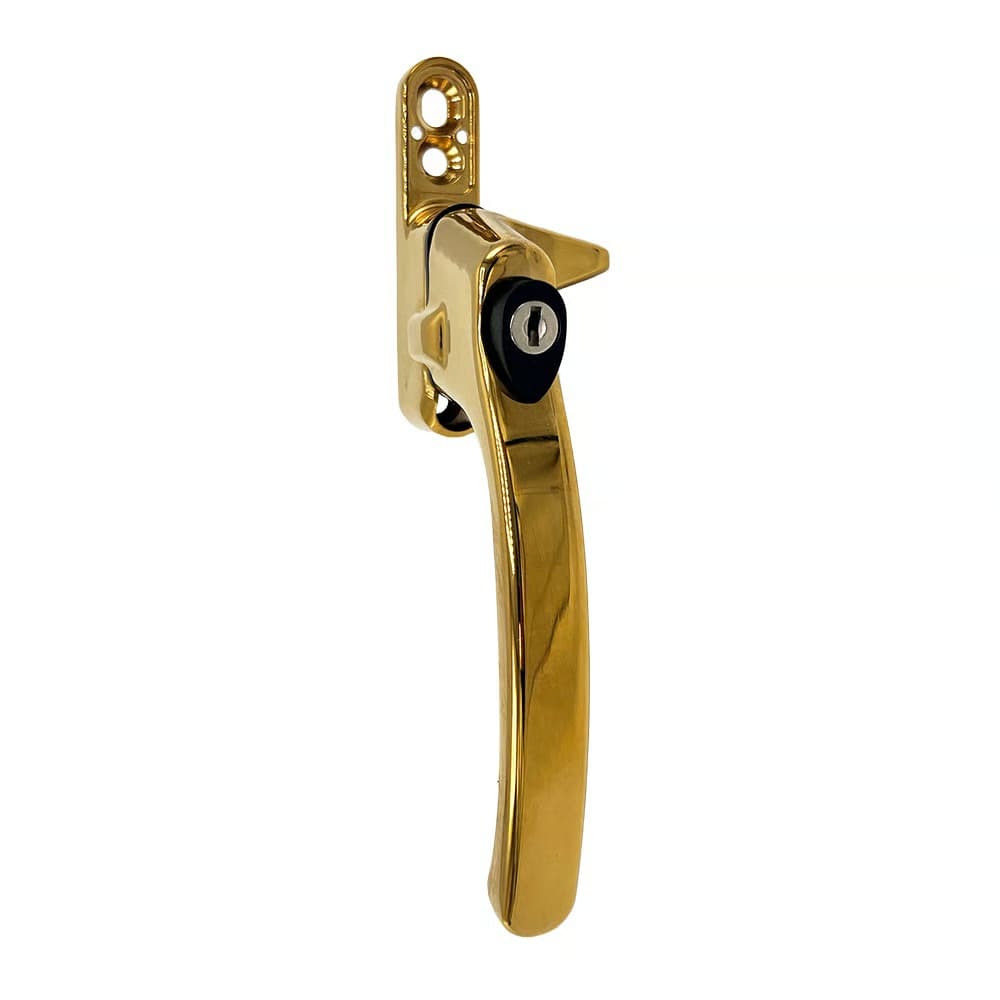
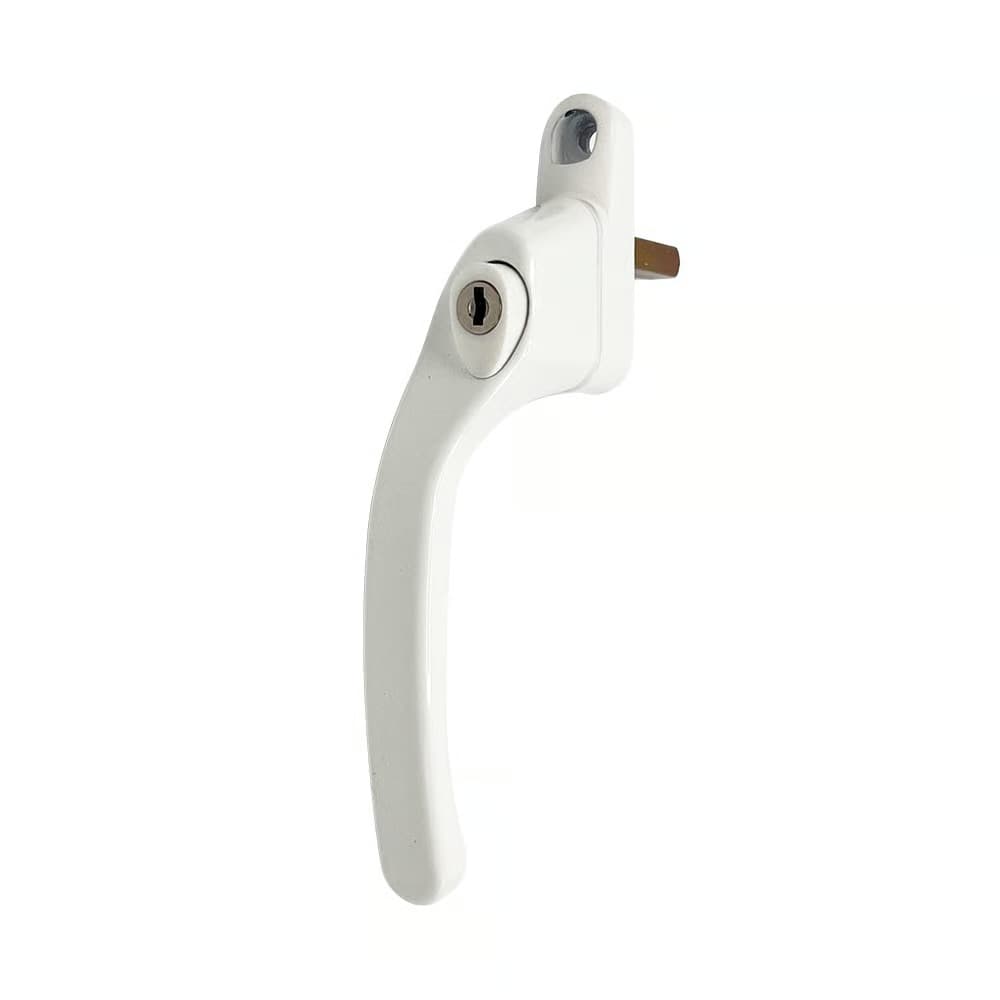
Inline universal window handles sit in the same plane as the handle spindle and are typically used where the handle lines up directly with the window mechanism. Cranked handles (sometimes called offset) have a bend in the spindle or lever which offsets the grip to clear window frames, tiles or internal handles.
Inline options are often chosen for a clean look and where there is no obstruction. Cranked variants are favoured when casement geometry, beading or restrictors prevent a straight-line handle fit.
Typical uses and compatibility
Universal window handles are designed to fit multiple backset sizes and spindle types, which reduces the need for bespoke parts. Common scenarios include:
- Replacing broken handles on older timber or uPVC windows where original parts are obsolete.
- Upgrades to locking handles for improved security.
- Situations where sill or frame obstructions require an offset handle: cranked handles resolve clearance issues without altering the window.
Measuring for the correct handle
Accurate measurement prevents wasted time and parts. Key dimensions to check:
- Backset: distance from the handle spindle centre to the edge of the handle rose or base. Many universal handles accept multiple backsets, but confirmation is essential.
- Spindle length and type: measure the square spindle projection into the mechanism. Where the existing spindle is worn, measure the thickness of the door or window section to select the correct replacement length.
- Fixing centres: distance between screw holes on the rose or base. Some roses are reversible or have slotted holes for minor adjustment.
- Clearance and obstructions: check for beading, tiles, or other hardware that may impede a straight handle. If clearance is less than about 20 mm, a cranked handle is often required.
Choosing between inline and cranked
Consider the following practical factors:
- Clearance: where limited space exists between the handle and frame, choose a cranked handle to prevent binding.
- Aesthetics: inline handles give a flush, contemporary appearance; cranked handles are more visible but solve functional problems.
- Operation: cranked handles can feel slightly different in ergonomics due to offset leverage. Test operation on-site where possible.
- Security: select handles with integral key-locking or compatible with the espagnolette mechanism required. The Mila ProSecure espag range is designed around security-focused hardware rather than cosmetic features.
Installation tips and best practice
- Turn off any window restrictors before removal. Secure the sash while replacing handles to prevent dropping.
- Remove the old handle by unscrewing the fixing screws and pulling the handle straight off the spindle. Clean the spindle and surrounding area of debris.
- Check the new handle’s spindle orientation. Many universal handles fit both left and right handed windows; confirm the correct rotation for locking and unlocking.
- Trial-fit the handle onto the spindle before tightening fixings. Ensure free movement through full travel and that locking engages properly.
- Use thread-lock or lock-tightening compound sparingly on fixing screws where vibration may loosen them, but avoid gluing the spindle.
- For locks that feel stiff post-installation, apply a light silicone spray to the mechanism rather than spray lubricants that attract dust.
- When cutting or adjusting spindle length, ensure a clean square cut; burrs can impede operation. Use a hacksaw and a file, then test fit.
- For cranked handles, align the offset so the lever clears the obstruction without rubbing during operation.
Maintenance and longevity
Routine maintenance extends service life and maintains smooth operation:
- Clean handles with a mild detergent and soft cloth. Avoid abrasive cleaners that damage finishes.
- Lubricate internal mechanisms annually with a light silicone or graphite spray recommended for locks.
- Inspect for wear where the spindle meets the handle; play or wobble indicates replacement is required.
- For coastal properties, choose corrosion-resistant finishes. Stainless or plated options resist salt air better than untreated metals.
Final selection summary
Universal window handles provide flexibility for refurbishment and new installs. Inline handles suit straightforward installations where aesthetic cohesion is prioritised; cranked handles solve practical clearance problems without modifying frames. Prioritise accurate measurement, compatibility with the locking mechanism and secure fixing. Stocking trusted lines reduces project delays—options such as the TSS cockspur, Mila ProSecure espag and Yale Sparta ranges cover the majority of common scenarios.