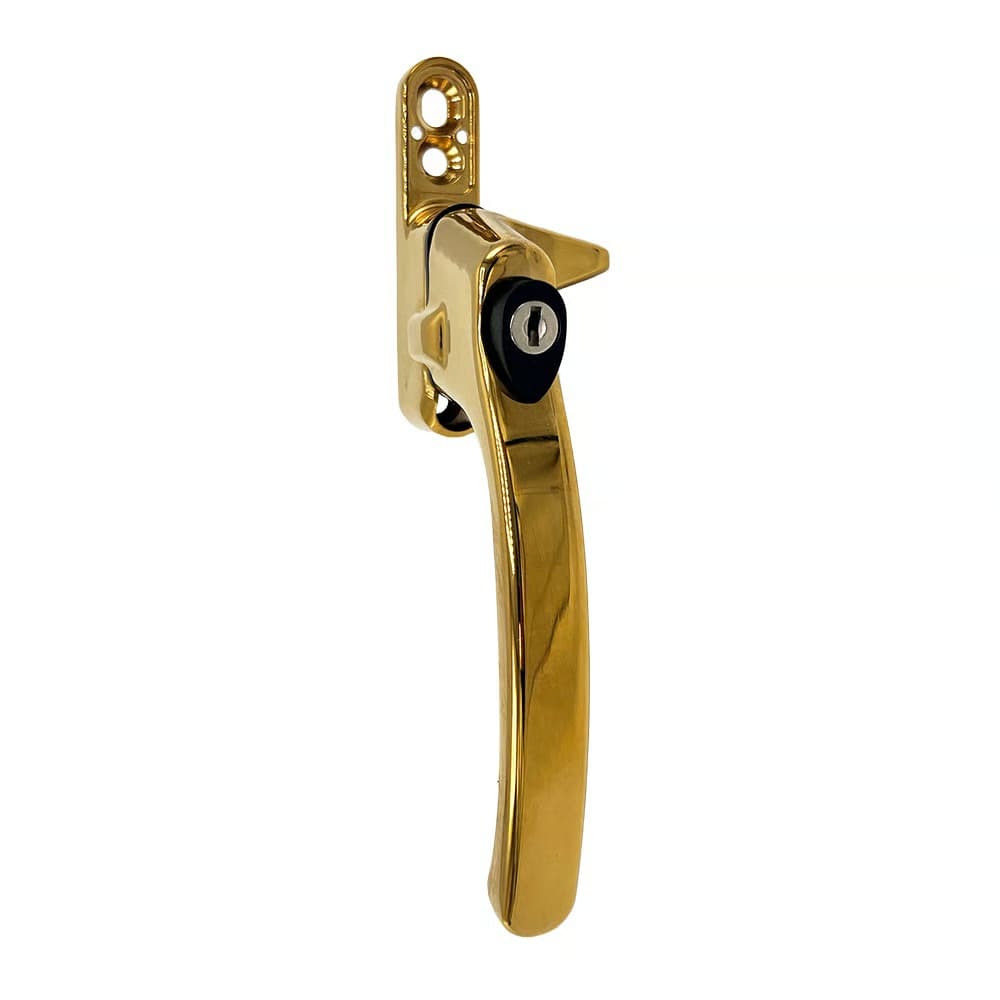
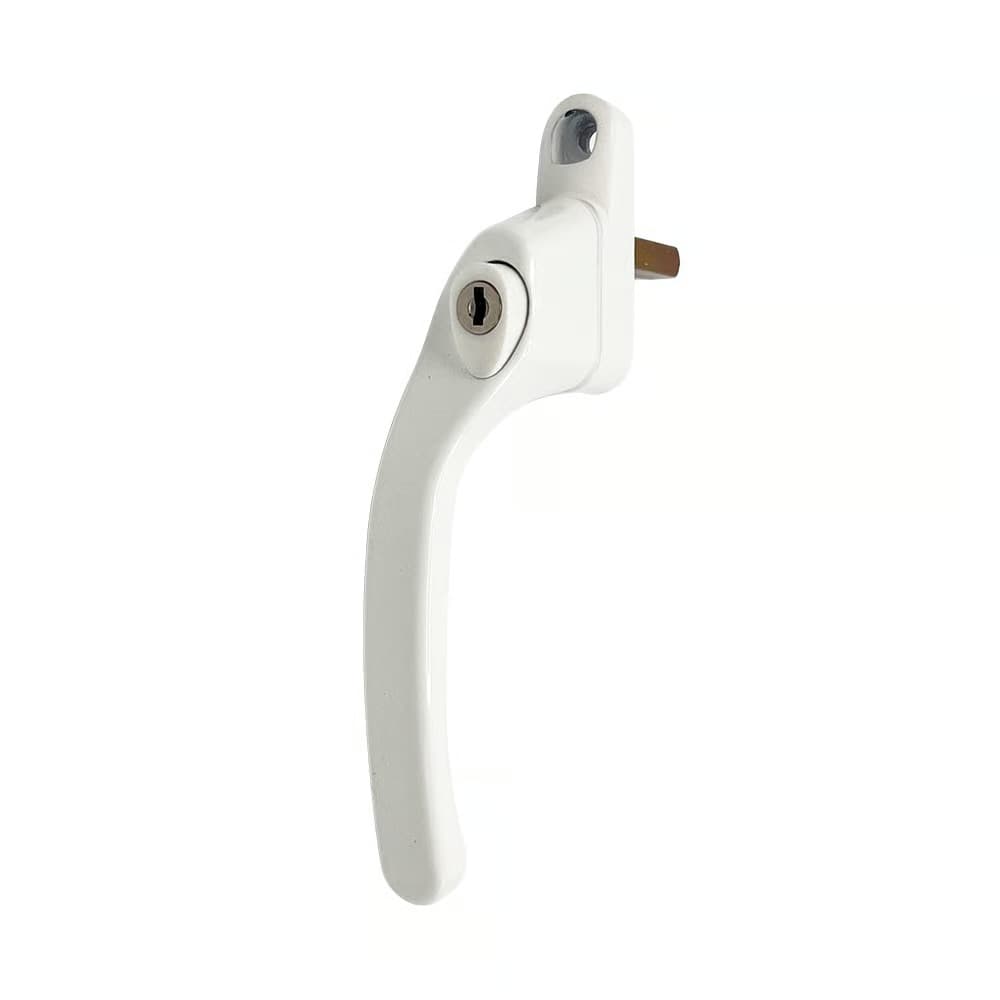
Universal Window Handles: Installation Guide
Universal window handles are a practical solution when renovating windows or fitting replacement hardware. Compatible designs and adjustable spindles make...
Universal window handles are a practical solution when renovating windows or fitting replacement hardware. Compatible designs and adjustable spindles make many universal handles suitable for a range of window types, from modern uPVC casements to older timber frames. This guide provides clear, actionable steps for selecting and installing universal window handles safely and securely, written for homeowners and tradespeople.
Choosing the right universal window handles
Selection begins with identifying the window system and operation type. Universal handles broadly fall into espagnolette (espag) types for multipoint locking gear, cockspur handles for single-point contact, and lockable lever handles for added security. Consider the following factors:
- Backset and spindle size: Measure the distance from the centre of the handle spindle to the edge of the window lock case. Standard spindles are usually 7mm square, but length varies; adjustable or cut-to-size spindles save time.
- Fixing hole centres: Many universal handles fit common hole centres such as 43mm or 45mm; verify before purchase.
- Security rating and lockability: For accessible windows, choose a lockable option that meets relevant British standards.
- Finish and ergonomics: Colours and coatings should match existing décor; choose handles with comfortable grip and smooth operation.
Tools and materials required
Prepare the following before starting:
- Screwdrivers (cross-head and flat)
- Tape measure and marker pencil
- Hacksaw or bolt cutters (for spindle trimming)
- Replacement screws (stainless steel recommended)
- Lubricant (silicone or graphite)
- Cleaning cloth and mild detergent
- Optional: digital angle finder or spirit level for precise alignment
Removing the old handle
1. Open the window to access the fixing screws on the handle plate. 2. Loosen and remove the handle’s mounting screws; retain any original screws only if they are suitable for reuse. 3. Pull the handle from the spindle. If seized due to corrosion, apply a penetrating lubricant, wait a few minutes, then gently tap the handle to loosen. 4. Clean the area, removing dirt or old paint that could impede the new handle’s fit.
Labeling or photographing parts before removal helps with reassembly, especially on complex locking gear.
Preparing the spindle and fittings
A universal handle often requires spindle trimming or swapping. Steps:
- Measure the existing spindle projection on both sides of the window. Typically, a 7mm square spindle is standard; confirm compatibility.
- If the new handle includes an adjustable or longer spindle, cut the old spindle to match the required projection, ensuring the square end remains intact.
- Deburr the cut spindle edge to prevent binding.
- Check the handle’s backplate or rose fits the existing hole pattern. If necessary, mark and drill new fixing holes using the handle as a template. Use corrosion-resistant screws.
Installing the universal window handle
1. Insert the spindle into the lock mechanism, ensuring it engages fully with the gearbox. 2. Position the handle over the spindle, making sure any sprung or anti-lift features align correctly. 3. Fit and tighten the mounting screws progressively to avoid misalignment. Tighten until secure but avoid over-torquing, which can deform plastic components. 4. Test the handle through its full range of motion, checking for smooth operation and full engagement of the locking points on espagnolette mechanisms. 5. If provided, fit the locking cylinder or key mechanism and confirm key operation is smooth with the window closed and open.
For lockable handles, verify the key turns easily and that the locked position prevents handle movement.
Adjustments and troubleshooting
Common issues and remedies:
- Stiff operation: Apply a light silicone spray to the spindle and locking gear. Avoid heavy oil that attracts grime.
- Handle droop or play: Check screw tightness and spindle seating; replace worn spindle if necessary.
- Incomplete locking engagement: Confirm correct spindle length and that the handle fully rotates; adjust striker plates if locking points miss the keep.
- Condensation or corrosion: Clean and apply a corrosion inhibitor to metal parts, and consider stainless-steel fixings for maritime or coastal exposures.
Maintenance tips for longevity
Routine care extends handle life and performance:
- Clean handles monthly with a soft cloth and mild detergent; avoid abrasive cleaners.
- Lubricate moving parts twice a year with a dry lubricant like graphite or silicone aerosol.
- Check fixing screws annually and re-tighten if necessary.
- Replace plastic roses or trim if cracked, as they can allow moisture ingress and accelerate wear.
Safety and compliance
Ensure installed handles comply with relevant building regulations and safety guidance for escape windows, particularly in bedrooms. For windows above ground-floor level, consider child-safe lockable options or restrictors that still allow emergency egress.
Universal window handles offer an economical, flexible route to maintain window security and operation. Correct measurement, careful preparation, and systematic installation produce professional results whether fitting one window or retrofitting an entire property.