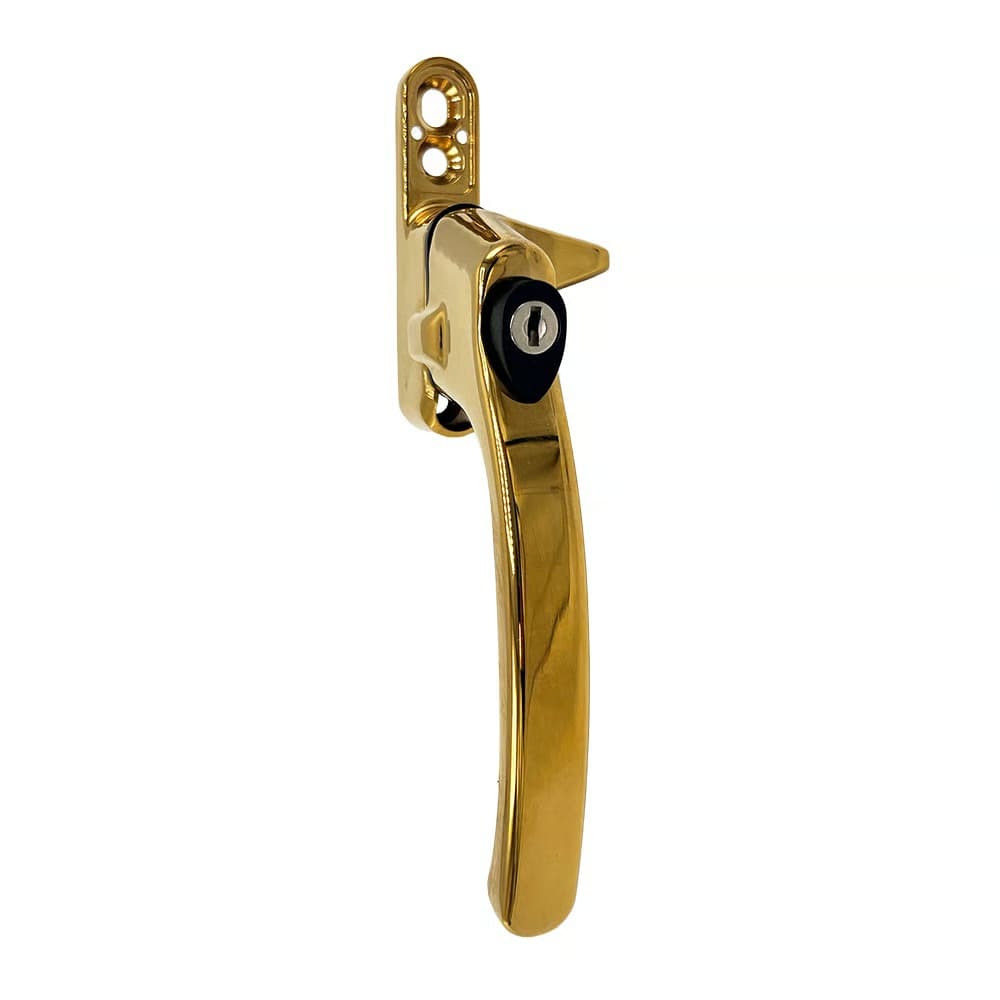
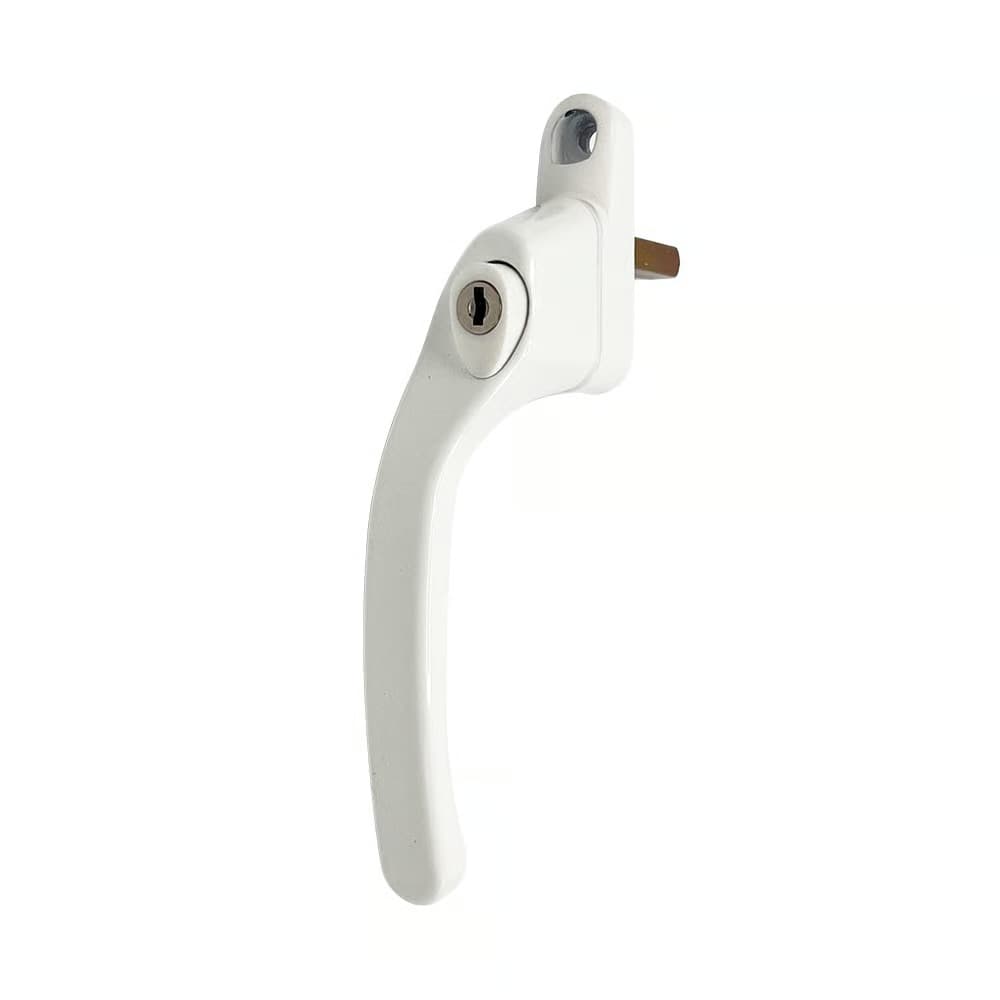
uPVC Replacement Window Handles: Common Sizes and Fit Tips
uPVC replacement window handles are one of the simplest upgrades that can improve security, usability and appearance of windows. Whether replacing a broken...
uPVC replacement window handles are one of the simplest upgrades that can improve security, usability and appearance of windows. Whether replacing a broken cockspur handle, upgrading to an espagnolette (espag) style for improved security, or matching a new finish to existing hardware, correctly identifying size and fit is essential to avoid returns and ensure smooth operation.
Common types of uPVC window handles
Different window systems use distinct handle types. The three most common for uPVC windows are:
- Espag (espagnolette) handles — used on side-hung casement windows with a multipoint locking gearbox and metal espagnolette arm.
- Cockspur handles — fitted externally to the frame and operate a simple pivoting latch; common on older or simpler uPVC windows.
- Inline or tilt-and-turn handles — used on tilt-and-turn mechanisms and occasionally on European profile windows.
Key measurements to check before buying
Accurate measurements prevent incorrect purchases. Measure carefully with a steel rule or digital callipers.
- Spindle length: The spindle is the square shaft from the handle that enters the gearbox. Measure from the underside of the handle rose to the end of the spindle in millimetres. Common lengths include 35mm, 40mm and 45mm, but always measure the installed spindle rather than guessing.
- Screw centre (fixing centres): Measure the distance between the two fixing screw holes on the handle rose, measured centre-to-centre in millimetres. Typical centres are 38mm or 43mm for many uPVC handles; cockspur handles often have different centres — check the existing handle.
- Backset and gearbox position: For espag handles, note whether the handle fits directly onto a gearbox or through a faceplate. Some systems require an elongate backplate; others use a compact rose. Measure the distance from the spindle centre to the end of the handle rose or the edge of the lock face for accurate replacement.
- Projection and clearance: Check how far the handle projects from the window when in the closed position to ensure it clears blinds, curtains or adjacent sashes.
Match the handle type to the locking mechanism
Matching the handle to the internal hardware is crucial:
- Espag handles must match the espagnolette locking mechanism. The spindle engages the gearbox which operates locking cams or hooks up the frame. Replacing an espag handle with a cockspur will not operate the internal mechanism.
- Cockspur handles operate a pivoting latch that leverages against the frame, so a like-for-like cockspur is required.
- Tilt-and-turn handles have distinct spindle and mounting arrangements and are not interchangeable with standard espag handles.
Security and quality considerations
High-quality handles offer better security and longevity. Look for features such as:
- Anti-snap or reinforced spindles that resist twisting or snapping.
- 3 star or Police Preferred security ratings on compatible locking systems — ensure the handle complements the rated gearbox.
- Die-cast zinc or aluminium roses and corrosion-resistant finishes (powder-coated, anodised) for long life in coastal locations.
Practical fitting tips
Carry out the following steps and checks for a smooth installation:
- Prepare tools: screwdriver set (Pozi or cross-head depending on screws), Allen keys for grub screws, a tape measure, cleaning cloth and silicone grease.
- Remove the old handle: slacken grub screws or remove fixing screws, then pull the handle clear while supporting the gearbox if necessary to avoid bending the spindle.
- Inspect the gearbox and spindle: ensure the spindle is straight and not worn. Replace the gearbox if the handle engagement feels loose or the locking cams do not move smoothly.
- Trial-fit the replacement: slide the spindle into the gearbox and align screw centres without tightening fully. Operate the handle to check smooth movement and full travel of the locking points.
- Fine adjustments: if the handle is stiff, remove and apply a small amount of silicone grease to the spindle and gearbox. If the handle does not engage fully, check for obstructions or worn gearbox components.
- Tighten securely: once alignment is confirmed, tighten screws evenly to avoid distorting the rose. For keyed handles, ensure the key turns freely before final fixing.
Common problems and quick diagnostics
- Handle moves but locking points do not travel: likely a broken or detached espag arm or gearbox — inspect and replace the gearbox assembly.
- Wobbly handle after fitting: incorrect screw centres or stripped screw holes. Use slightly longer screws if they will engage the metal reinforcement, or insert a plastic anchor designed for uPVC.
- Stiff or seized handle: dirt, lack of lubrication, or misaligned gearbox. Clean, lubricate and realign; replace if parts are corroded.
Final checks and maintenance
After fitting, check that the window locks and unlocks smoothly in both locked and unlocked positions. For ongoing performance:
- Clean handles periodically with a soft cloth and mild detergent.
- Apply a light silicone spray to moving parts once a year.
- Inspect fixings and operation after extreme weather or heavy use.