uPVC Replacement Window Handles: Compatibility Checklist
Choosing replacement handles for uPVC windows can be straightforward when guided by a clear compatibility checklist. This article explains the critical mea...
Choosing replacement handles for uPVC windows can be straightforward when guided by a clear compatibility checklist. This article explains the critical measurements, mechanisms and fit variations that determine whether a replacement will operate smoothly and securely. Practical advice is provided for both homeowners and tradespeople to avoid common pitfalls and ensure a proper match.
Identify the handle type and operation
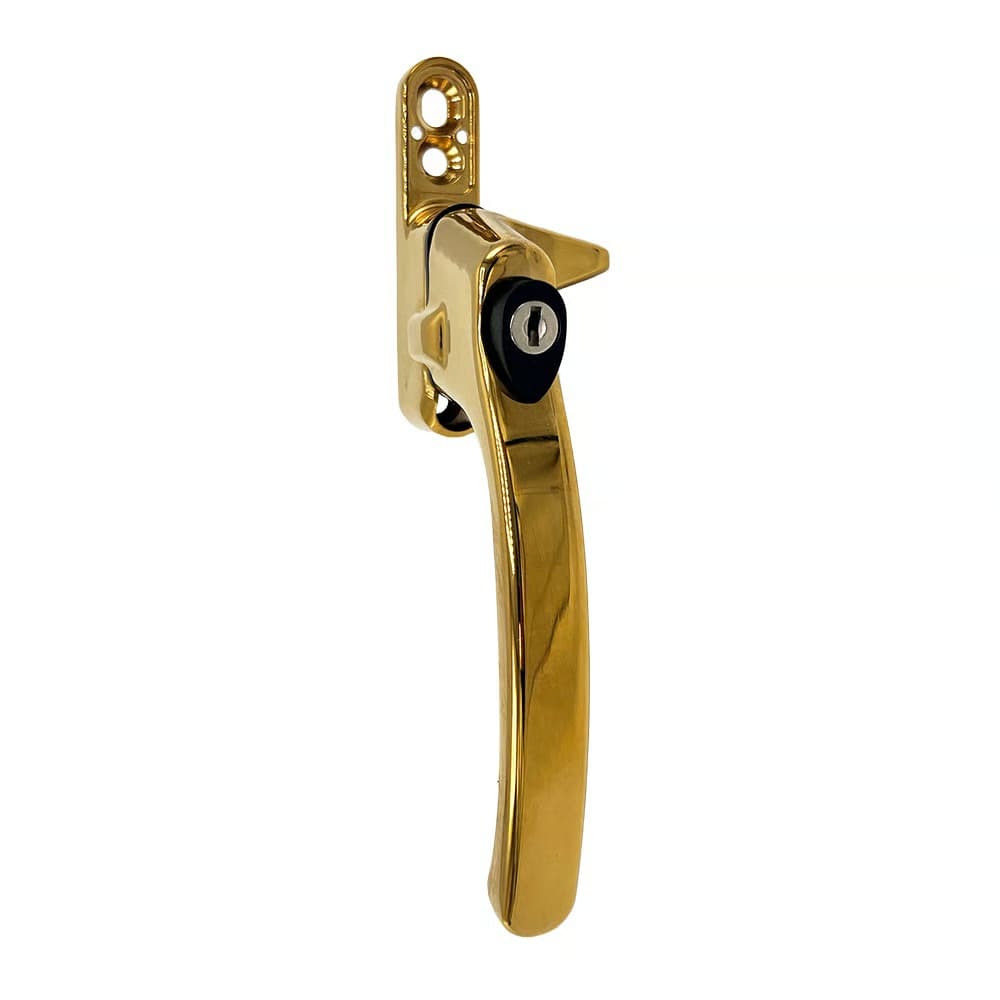
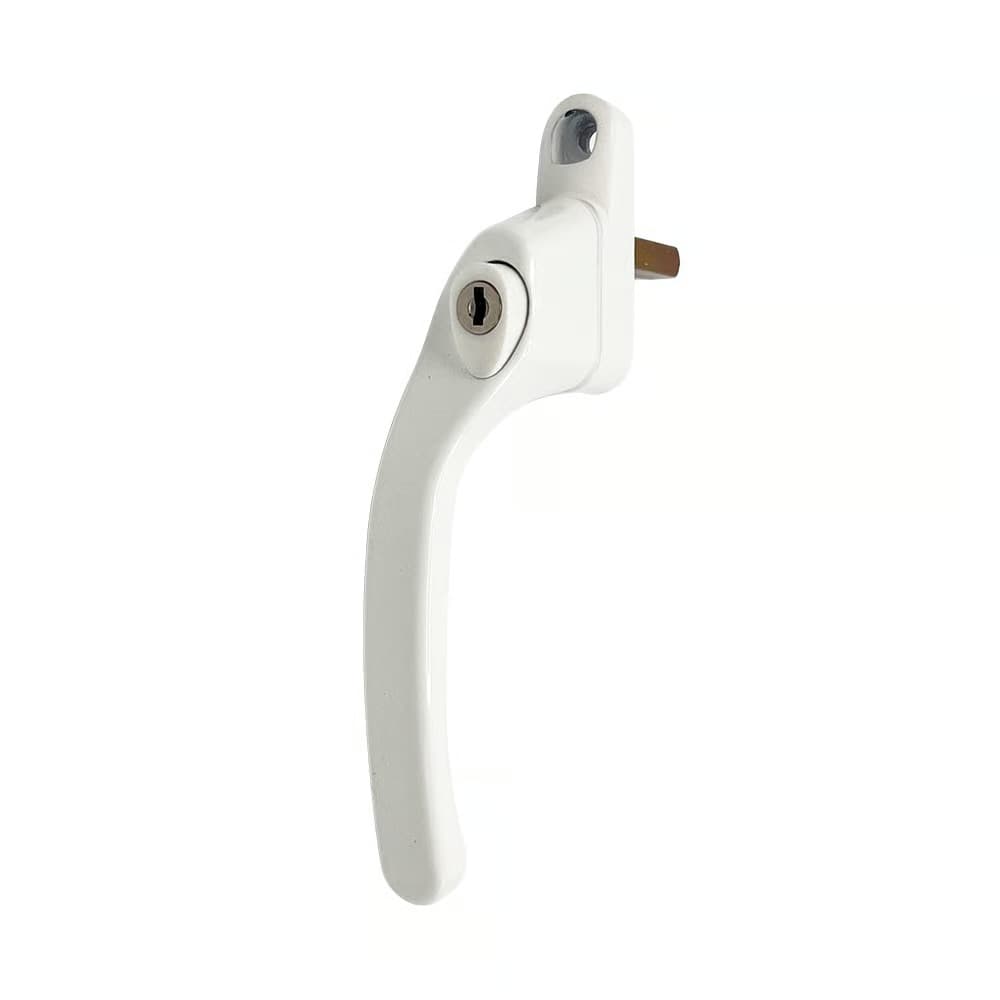
Different handle designs are paired with specific window locking systems. Common types include espagnolette (espag) handles for multi-point locks, cockspur handles for face-fix locks, and sash handles for sliding or tilt-and-turn windows. Confirm the handle type fitted to the existing window before purchasing a replacement.- Espag handles operate a rod or gearbox via a spindle and usually include a lock cylinder.
- Cockspur handles have a fixed, hooked piece that bears against the frame sash.
- Some window handles are non-locking and simply latch.
Measure the spindle and screw centres
Accurate measurements are essential.- Spindle size: Measure the square spindle that passes through the handle into the gearbox. Common sizes are 7mm, 8mm and 9mm. Note the spindle length from the handle base to the end.
- Screw centres: Measure the distance between the fixing screw centres on the handle rose. Typical British measurements are 43mm and 38mm, but confirm the exact spacing.
- Backset and projection: For some handles the distance from the handle rose to the inner edge of the window profile affects fit.
Confirm locking and keying requirements
Address security and keying to ensure the replacement meets expectations.- Lockable vs non-lockable: Determine whether the handle needs an integrated lock cylinder. Trade-grade replacement handles often offer single or double locking options.
- Cylinder type and size: If the handle uses a separate cylinder, record the cylinder type (Euro, round) and measurement across the cylinder. Some handles are compatible with standard Euro profile cylinders.
- Keying: For whole-house consistency, confirm whether cylinders should be keyed alike or independently. Tradespeople should specify key numbers where possible.
Check handedness and orientation
Some handles are handed and only suit left- or right-opening windows. Handing is determined by the position of the spindle relative to the locking mechanism or by the direction the handle turns to lock. Verify whether the current handle is left-hand or right-hand and select an identical-handed replacement. Reversible models exist but always confirm the specification before ordering.Assess fixing method and compatibility with frame profiles
uPVC profiles vary between manufacturers. Key considerations:- Face-fix vs. bolt-through: Cockspur handles typically face-fix to the sash, whereas many espag handles bolt through the frame.
- Rose size and cover plates: Check whether the rose covers existing screw holes or whether filler plates are needed.
- Profile clearance: Ensure the handle projection and backplate will clear beading and hardware without fouling.
Material, finish and corrosion resistance
Select durable materials and finishes suitable for the UK climate.- Materials: Zinc alloy, stainless steel components and reinforced plastics are common. Zinc alloy with a corrosion-resistant finish is economical; stainless steel is best for coastal properties.
- Finishes: White, brown, and metallic finishes are widely used. Confirm colour match to existing frames for visual consistency.
- Salt-laden environments: For coastal homes, request handles with marine-grade corrosion protection.
Confirm gearbox and mechanism compatibility (for espag)
When replacing espag handles, compatibility with the internal gearbox or locking rod must be checked.- Spindle engagement: Some espag handles engage directly with a gearbox; others operate a rod. Confirm type and ensure the spindle length and shape suit the gearbox or lever.
- Backdrive protection: Modern handles often include anti-backdrive features. Verify the replacement preserves these security measures.
- Multi-point lock alignment: Ensure the handle position and travel correspond to the multi-point lock’s requirements to avoid incomplete locking.
Practical installation tips
Follow these actionable steps for a reliable replacement:1. Photograph the existing handle and locking mechanism before removal to record orientation and cable routing. 2. Label and retain screws and small fixings in a container to avoid loss. 3. Use the exact replacement spindle size; if unsure, temporarily measure with a caliper or digital callipers. 4. Apply a light smear of lubricant to moving parts during installation to ensure smooth operation. 5. Test the locking operation several times before reattaching beading or final trims. 6. For warranty protection, retain proof of purchase and photographs showing the installation.
Professional fitting is recommended where access to the gearbox is limited or for high-security installations.
Common compatibility pitfalls and how to avoid them
- Assuming all espag handles use the same spindle size — always measure.
- Overlooking handedness — the handle may fit but operate in reverse.
- Ignoring screw centre differences — mismatched centres require filler plates.
- Selecting non-locking models for windows that require a lockable handle for compliance with insurance.
Final checklist before ordering
- Confirm handle type (espag, cockspur, sash).
- Measure spindle size and length.
- Measure fixing screw centres.
- Check locking and cylinder type.
- Confirm handing and orientation.
- Verify material and finish for environment.
- Ensure gearbox or rod compatibility for espag systems.