uPVC Replacement Window Handles: DIY Fitting Guide
Replacement window handles are a straightforward way to refresh uPVC windows, improve security and restore smooth operation. This guide explains how to mea...
Replacement window handles are a straightforward way to refresh uPVC windows, improve security and restore smooth operation. This guide explains how to measure for upvc replacement window handles, remove existing fittings and install new handles correctly. It covers common handle types, tools required and practical tips to ensure a secure, long-lasting result for both homeowners and tradespeople.
Identify the handle type and locking mechanism
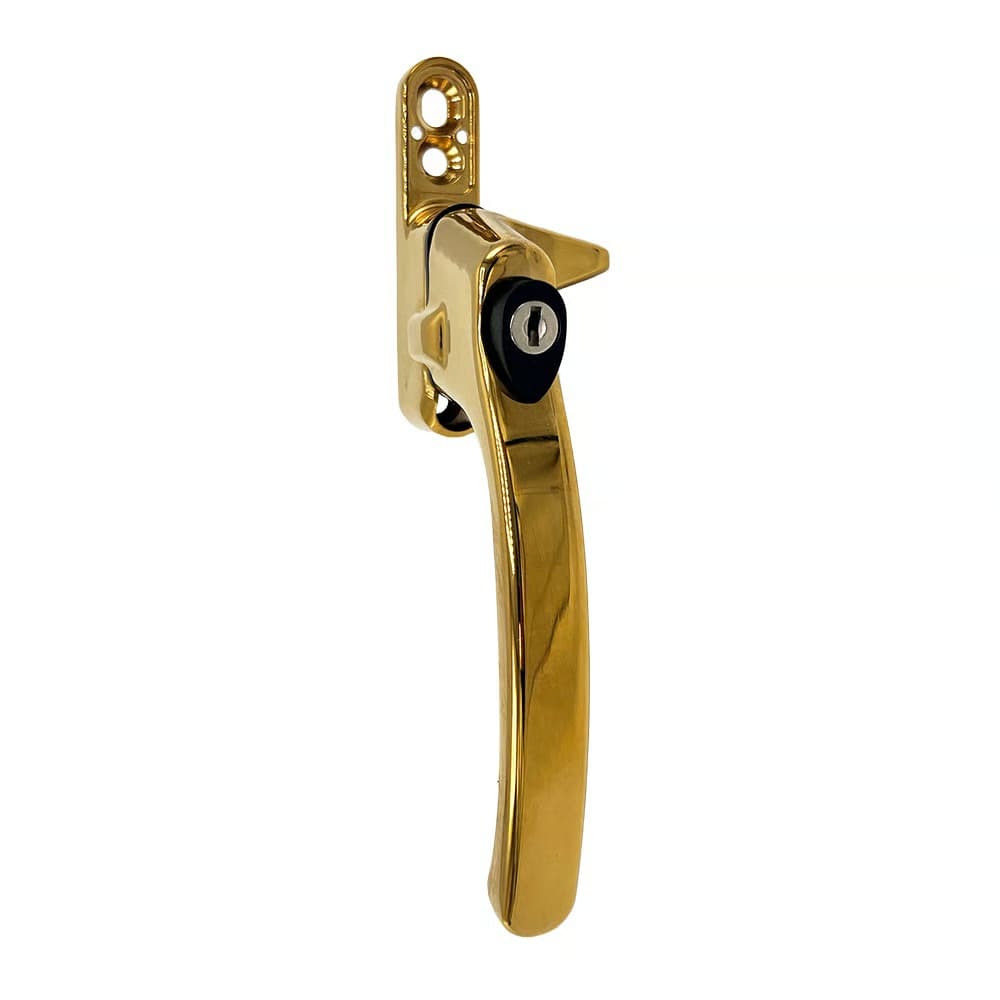
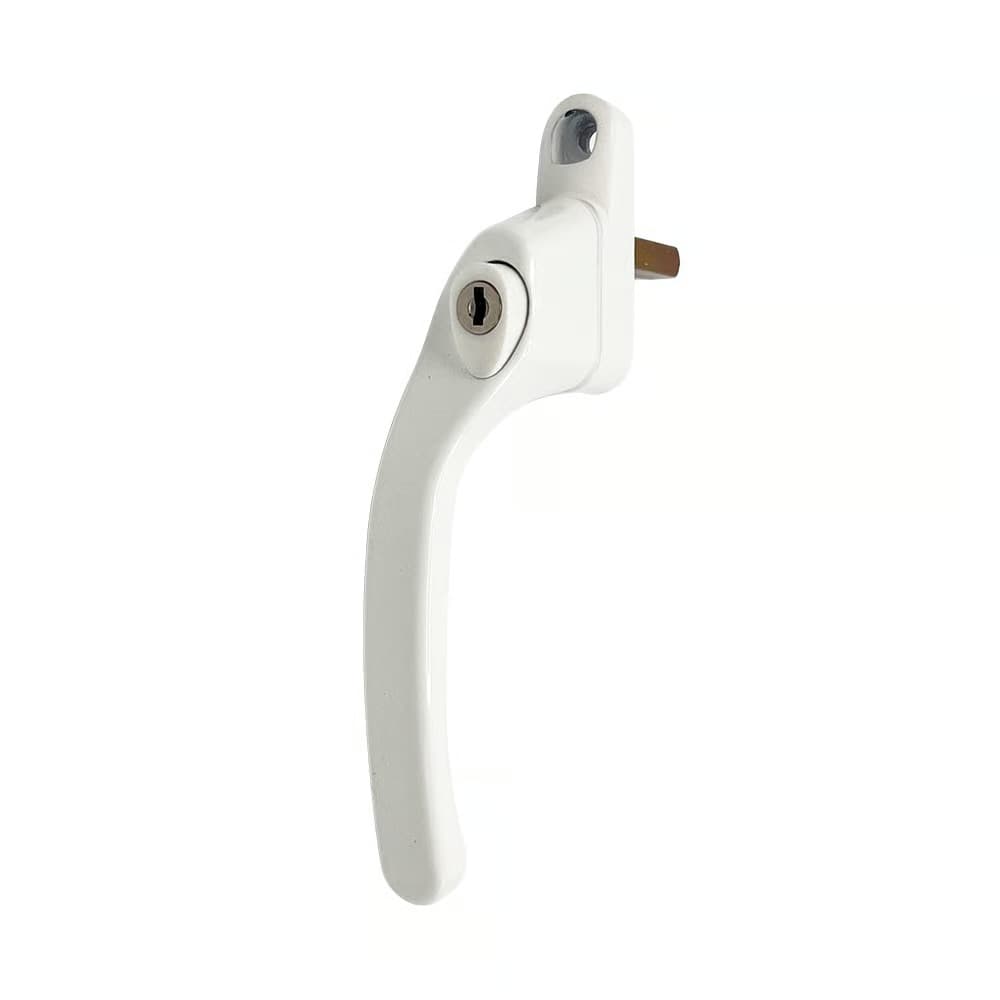
Start by identifying the handle type. Two common varieties are espagnolette (espag) handles and cockspur handles. Espag handles operate a multi-point locking spindle and are often used on modern uPVC casement windows; cockspur handles clamp over the window frame and are common on older installations.
For an espag handle, the spindle size and screw spacing are critical. For cockspur handles, measure the back-to-back width and check whether they are reversible for left- or right-hand openings. Consider quality and security ratings when replacing handles—higher-specification items offer better resistance to forced entry. Examples include the TSS Cockspur Window Handles for enhanced security and smooth operation, and the TSS Cockspur Window Handle for older-style windows where a clamping action is required. For a classic, reliable option, the TSS Offset UPVC Window Handles balances cost and durability.
Tools and materials required
Essential tools:
- Cross-head and flat-head screwdrivers
- Allen keys (2.5–4 mm depending on handle)
- Tape measure or ruler (mm)
- Masking tape and marker
- Replacement screws (if not supplied)
- Lubricant (silicone spray)
- Fine file (for minor adjustments)
- Torque driver (optional for consistent screw tension)
Measuring for the correct replacement
Accurate measurement prevents ordering the wrong part. For espag handles measure:
- Backset: distance from the handle centre to the edge of the beading (usually 35–40 mm)
- Screw centres: distance between the two fixing screws (commonly 43 mm or 38 mm)
- Spindle length and diameter: measure the visible spindle length from the handle base to end (commonly 7 mm square at 30–40 mm lengths)
- Back-to-back: the width of the handle where it clamps the frame
- Screw centres and handle height
Removing the old handle
1. Open the window to the natural vented position so the handle is accessible. 2. Mask the surrounding profile with tape to protect the uPVC finish. 3. Remove the fixing screws; for espag handles these are usually on the faceplate. Keep all screws in a container for reference. 4. Pull the handle straight off the spindle. If stiff, apply a small amount of penetrating lubricant around the spindle and gently wiggle while pulling. 5. Inspect the spindle for play or wear and the frame for damage. Clean the area of any debris and old sealant.
Fitting the new handle — step-by-step
1. Dry-fit the new handle assembly to check alignment. Ensure the spindle fully engages the mechanism inside the window lock. 2. Check spindle length: if too long, remove incrementally and re-test; if too short, do not force—order the correct length. 3. Apply a small smear of silicone lubricant to the spindle to prevent binding. 4. Place the handle onto the spindle, ensuring the handle faceplate sits flush against the frame. 5. Tighten fixings evenly — alternate screws to avoid twisting the handle plate. Use a torque driver set to moderate torque if available to avoid over-tightening which can strip the plastic around the screw hole. 6. Test operation through a full opening and closing cycle. The handle should move smoothly and operate the locking mechanism without excessive force.
Security and maintenance tips
- Fit handles with keyed locks on ground-floor windows or where security is a priority; ensure the key turns freely from both sides if using multi-point locking handles.
- Periodically lubricate moving parts with a silicone spray — avoid oil-based lubricants that attract dirt.
- Replace any stripped screws and consider stainless steel fittings in coastal areas.
- Check that the locking spindle does not protrude excessively when the window is closed; a protruding spindle can indicate incorrect sizing or an incorrect handle type.
- For espag handles, if the locking keeps failing, inspect the espagnolette gearbox and keepers on the frame; misalignment often causes handle stiffness.
Common troubleshooting
- Handle spins without engaging lock: usually a broken spindle or sheared connection inside the gearbox. Replace the handle or gearbox as required.
- Handle stiff to operate: check alignment of keeps and strikes, lubricate mechanism, confirm the window is square. Minor adjustments to the striker plates can restore smooth operation.
- New handle sticks or rubs frame: remove and check for obstructions or misaligned screw holes; use a fine file to deburr or trim minimal material only if necessary.
Final checks and sign-off
Complete a final operational test: open and close the window several times, lock and unlock to ensure consistent performance. Record the replacement date and product details for maintenance records and warranty claims.
For further reading on handle types, security features and compatible fittings, consult the comprehensive Window Handles Guide.