uPVC Replacement Window Handles: What “7mm Spindle” Means
uPVC replacement window handles are a common DIY and tradesperson job, but confusion often arises when descriptions include terms like "7mm spindle". This...
uPVC replacement window handles are a common DIY and tradesperson job, but confusion often arises when descriptions include terms like "7mm spindle". This article explains what a 7mm spindle actually means, why it matters for compatibility, and gives practical, actionable guidance on measuring, choosing and fitting replacement handles for uPVC windows.
What "7mm spindle" refers to
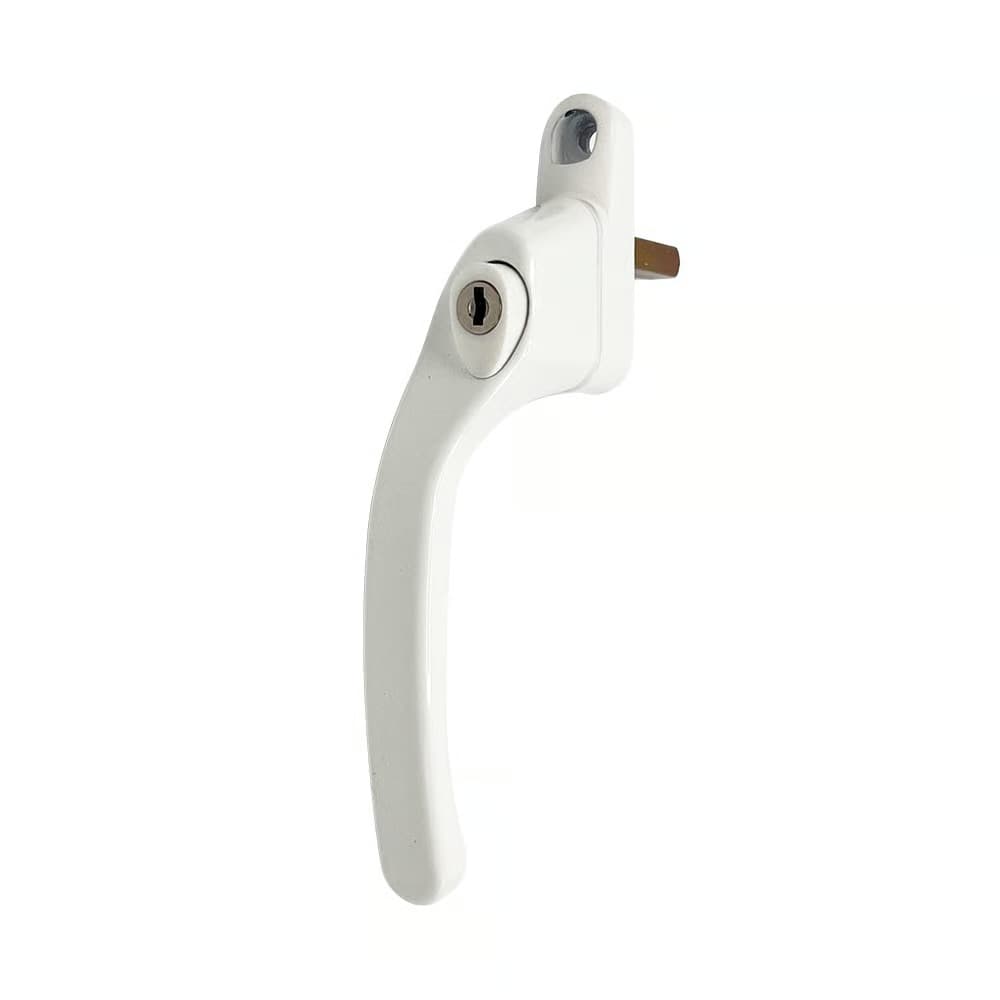
The term "7mm spindle" refers to the cross-sectional size of the spindle — the square metal bar that connects the handle to the lock mechanism inside the window. In uPVC casement and espagnolette (espag) systems a 7mm square spindle is a widely used standard. The 7mm figure indicates the width across the flats of the square profile, not the length of the spindle.
A correctly matched spindle width is essential because the handle slides onto the spindle and is secured by a grub screw or bolt. If the spindle is too small, the handle will wobble and may fail to operate the gearbox reliably. If it is too large, the handle will not fit onto the spindle at all.
Why spindle width matters alongside other measurements
While spindle width is critical, it is only one of several measurements that determine compatibility:
- Spindle width (7mm square): fits into the handle’s bore.
- Spindle projection length: the distance the spindle protrudes from the gearbox or lock; must be long enough for the handle to engage securely.
- Screw centres (fixing hole distance): the spacing between the handle’s fixing screws that attach to the frame.
- Backset/handle-to-centre: for some handles the distance from the handle’s centre to the fixing screw or locking mechanism needs to match the window furniture.
How to measure a spindle correctly (practical steps)
Follow these steps for reliable measurement before ordering replacement handles:
1. Remove the existing handle: Loosen the grub screw or fixing screw and pull the handle straight off the spindle. Keep any small screws safe. 2. Measure spindle width: Use digital callipers if available to measure the width across the flats of the square spindle. Expect to see 7.0mm if it is a standard 7mm spindle. 3. Measure projection length: Measure from the point where the spindle emerges from the gearbox or frame face to the end of the spindle. Typical projections vary; many manufacturers require 20–25mm for secure fixing, but check the replacement handle’s fitting requirements. 4. Measure fixing centres: Measure the distance between the top and bottom screw holes (vertical centres) or lateral fixing holes as appropriate. Note whether screws are countersunk or raised. 5. Note handle type and handing: Identify whether the handle is an espag (locking handle with gearbox), cockspur, or cranked handle. Note the direction of operation (left- or right-handed installation) and whether a keyed lock or push-button mechanism is used.
Accurate measurements reduce return rates and save time on site.
Common handle types and the 7mm spindle
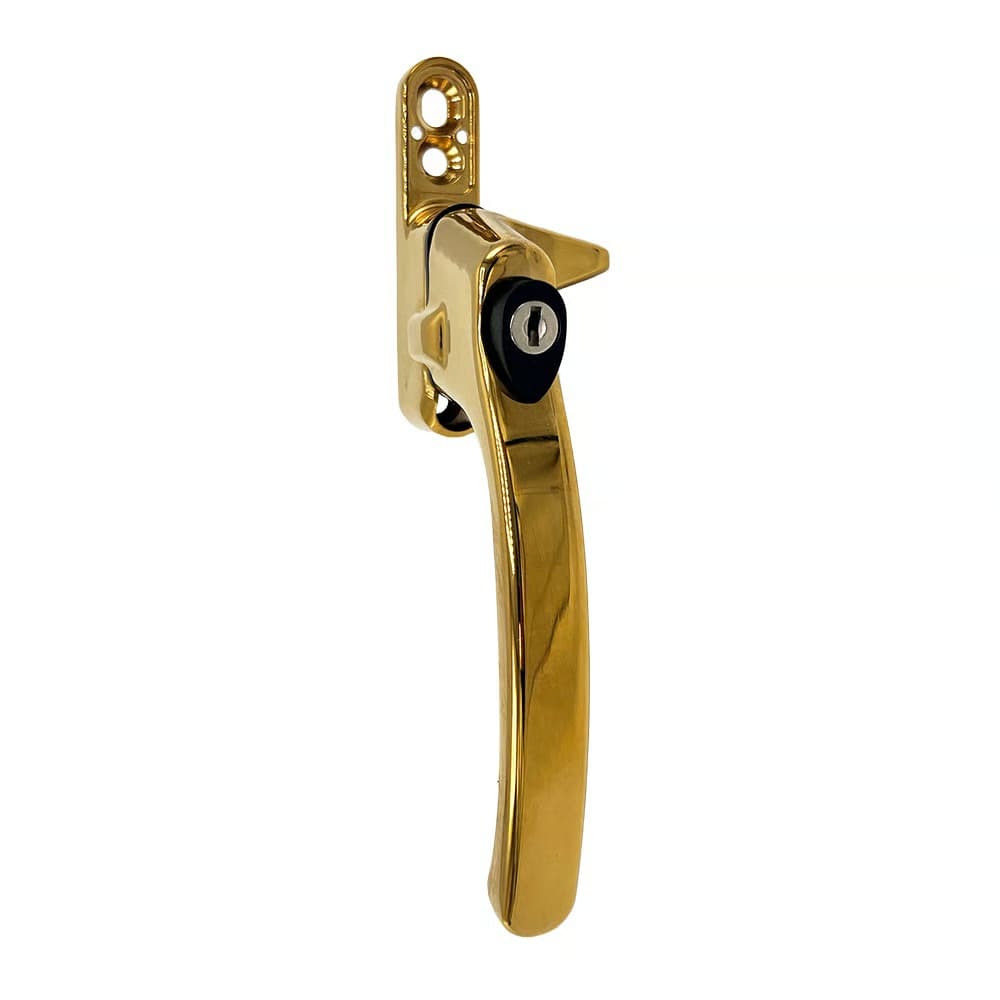
Most espag handles used on uPVC windows employ a 7mm square spindle. The TSS Cockspur Window Handles is an example of a security espagnolette handle designed for modern uPVC systems that typically accept a 7mm spindle.
Cockspur handles differ in operation and fixing but some cockspur designs also use a compatible spindle arrangement; for a dedicated cockspur option see the TSS Cockspur Window Handle. For more traditional or lever-style replacements, the TSS Offset UPVC Window Handles is a commonly used handle that specifies spindle compatibility and fixing details.
Choosing the right replacement for tradespeople and homeowners
- Match the spindle width first: Confirm the existing spindle is 7mm before ordering a handle stated to accept a 7mm spindle.
- Check spindle projection: Ensure the replacement handle’s required projection matches what is available at the frame; some handles include adaptor bushes for short spindles.
- Confirm fixing centres: Many replacement handles have standard fixing centres (e.g. 43mm), but some differ; measure to avoid surprises.
- Consider security and locking type: Replacement options include non-locking, push-button, and keyed-locking variants. For ground-floor windows or high-security areas choose handles with enhanced lock cylinders or anti-drill features.
- Finish and corrosion resistance: Select a finish suitable for the location (e.g. chrome, satin stainless) and ensure it offers sufficient corrosion resistance for coastal properties.
Fitting tips and common problems to avoid
- Use the correct grub screw torque: Over-tightening can strip the spindle or deform the handle; snug up the grub screw securely and check operation.
- Clean and lubricate the gearbox: Before fitting a new handle, operate the gearbox and apply a light PTFE spray to moving parts to ensure smooth action.
- Replace worn spindles or adaptors: If the spindle’s square profile is rounded, the handle will slip under load; replace the spindle or use a new mechanism rather than forcing a new handle onto a damaged spindle.
- Beware of adaptor requirements: Some newer handles include an adaptor or sleeve to accommodate slight variations in spindle size or projection. Use supplied adaptors rather than filing down spindles.
- Test operation fully: After fitting, open and close the window several times and check locking points engage correctly. Ensure the handle returns to the neutral position and that the lock engages cleanly.
When to call a tradesperson
Replacement handles are often straightforward for competent DIYers, but call a professional when the gearbox is seized, the spindle is severely damaged, or the window’s multi-point locking involves complex alignment. A tradesperson can also advise on upgrading to more secure keyed options if required.
Summary
Understanding what a 7mm spindle means — a square spindle 7mm across flats — is essential when specifying uPVC replacement window handles. Measure spindle width, projection and fixing centres accurately, match handle type and locking features, and follow correct fitting procedures for lasting results. For more detail on matching handle types and measurements consult the full Window Handles Guide.