uPVC White Window Handles: Avoiding Common Fit Mistakes
Choosing the correct upvc white window handles is a small but crucial step in ensuring windows operate smoothly, look neat and remain secure. Mistakes in m...
Choosing the correct upvc white window handles is a small but crucial step in ensuring windows operate smoothly, look neat and remain secure. Mistakes in measuring, selecting the wrong handle type or overlooking compatibility with locking mechanisms are common and avoidable. This guide outlines practical, actionable advice for homeowners and tradespeople to prevent fitting errors and select the right handle the first time.
Understand handle types and their functions
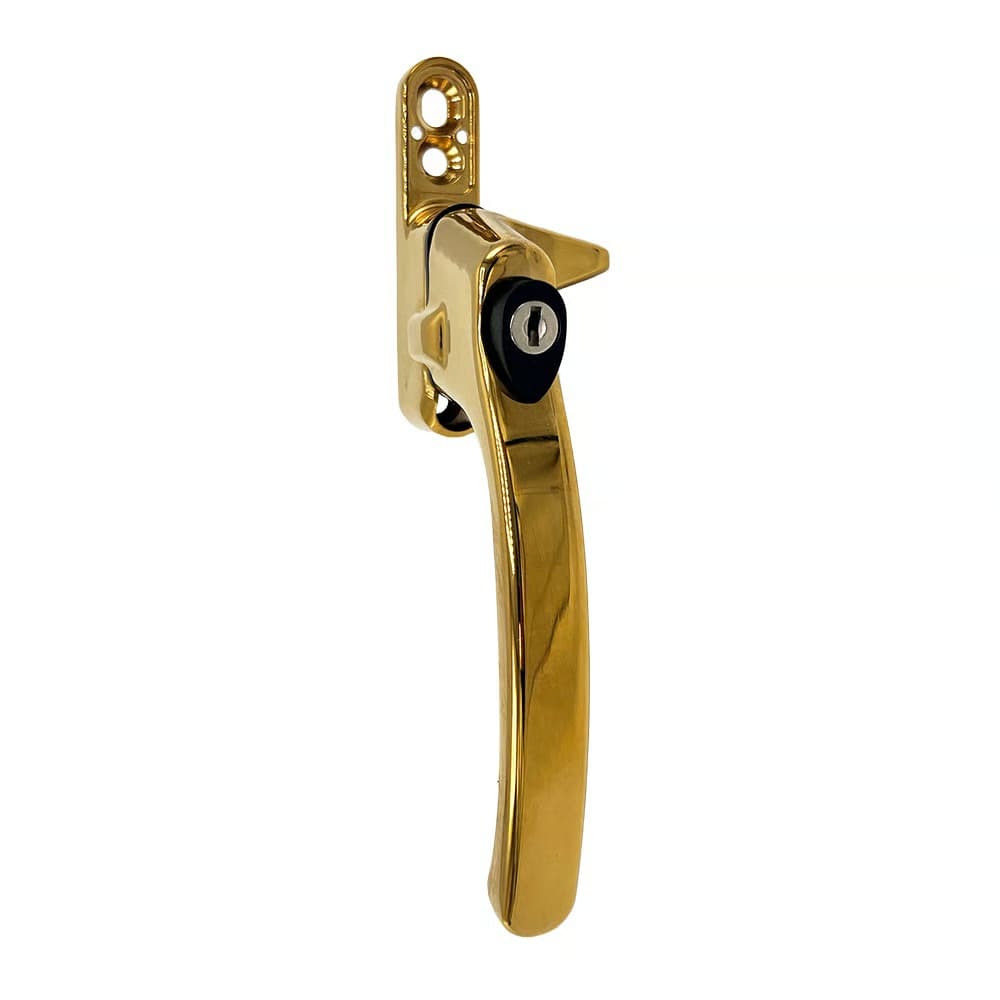
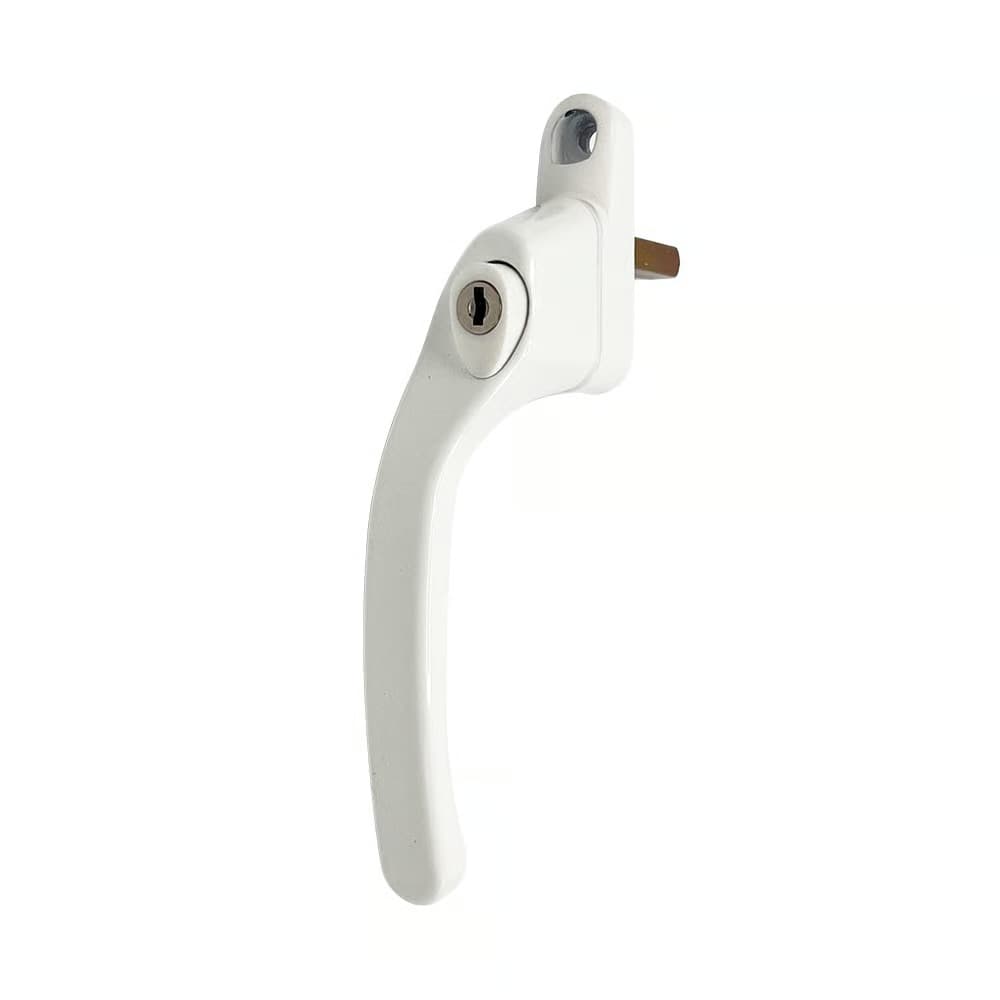
Window handles come in several designs and operate different locking systems. Common types for uPVC windows include espag (espagnolette) handles, cockspur handles and traditional lever styles. Each type interacts differently with the window’s hardware:
- Espag handles operate a multi-point locking system via a spindle that turns an espagnolette gear.
- Cockspur handles latch onto the frame with a hooked spur and are typically used on casement windows.
- Lever handles may connect to different internals and vary between manufacturers.
Measure accurately — the single most critical step
Incorrect measurements are the leading cause of fit problems. Tradespeople and informed homeowners should measure the following before purchasing:
- Spindle length: Remove the old handle and measure the spindle (the square rod). Common lengths include 35mm, 40mm or 45mm; measure from the base of the handle to the end of the spindle.
- Fixing centres: Measure the distance between the two screw holes that secure the handle. Some handles have non-standard centres; note whether they are inline or offset.
- Backset and boss diameter: Note the boss (round collar) diameter and whether the handle is left-handed, right-handed or reversible.
- Handle projection and clearance: Ensure the handle’s rotation will not collide with tiles, an adjacent frame or external fittings.
Identify locking mechanism compatibility
Different handles engage distinct locking mechanisms. For espag systems, confirm the handle’s spindle engages the gearbox correctly and that the gearbox stroke matches the handle rotation. Cockspur handles require correct spur position and length to catch the keep on the frame. Some modern handles are reversible and compatible with both left- and right-hand windows, while others are handed.
When replacing a handle on a window with a multipoint lock, ensure the new handle allows the same number of turns and torque to operate the locking rods fully. A low-quality or incorrect handle can cause incomplete locking, putting security and weather-tightness at risk.
Check materials, finish and durability
For uPVC windows, white is the most common finish but not all “white” finishes match exactly. Choose a durable powder-coated or nylon-coated handle to resist discoloration and wear. Confirm suitability for external use and exposure to British weather conditions. For properties near the coast, specify corrosion-resistant materials or stainless steel fixings.
Quality of the mechanism matters: smoother operation and higher torque capacity reduce long-term wear. Trading professionals should prefer handles rated for frequent operation and that comply with relevant British Standards.
Installation tips to avoid common errors
- Use the correct screws: Many handles require specific length and type of screws to secure into the frame without crossing into the glass unit or damaging weather seals.
- Align before tightening: Fit the handle loosely, operate it to ensure the spindle and gearbox engage smoothly, then tighten fixings evenly to avoid twisting the boss.
- Apply light grease: A small amount of silicone grease on the spindle can improve operation and reduce wear; avoid oil-based lubricants that attract dirt.
- Torque consideration: Avoid over-tightening fixing screws which can crack uPVC; snug them and then allow the handle’s plate to bear the load.
- Test after fitting: Operate the window through its full range, lock and unlock several times and check seals and keeps for proper engagement.
Common mistakes and how to avoid them
- Assuming all white finishes match: Compare against an existing handle in natural light and, if necessary, order a sample.
- Ignoring handedness: Confirm left- or right-hand orientation; use reversible handles where uncertainty exists.
- Replacing without measuring: Always remove and measure the old handle rather than relying on memory or assumed sizes.
- Neglecting locking compatibility: Verify the handle is compatible with the window’s gearbox or keeps to maintain security.
- Using the wrong screws: Use correct-length and corrosion-resistant screws; short screws can loosen, long ones can damage frames or glass.
Maintenance to prolong performance
Regular maintenance prevents premature replacement. Recommend cleaning handles with a mild detergent, checking fixings annually and lubricating moving parts with a suitable silicone-based product. Replace worn or loose fixings promptly — a loose handle stresses the internal gearbox and can cause failure.
Final checks before purchase
Confirm the exact handle type required, verify spindle length, fixing centres and handedness, and select a finish suitable for the environment. Tradespeople should carry common sizes to reduce call-backs, while homeowners benefit from photographing existing hardware and noting measurements before ordering.