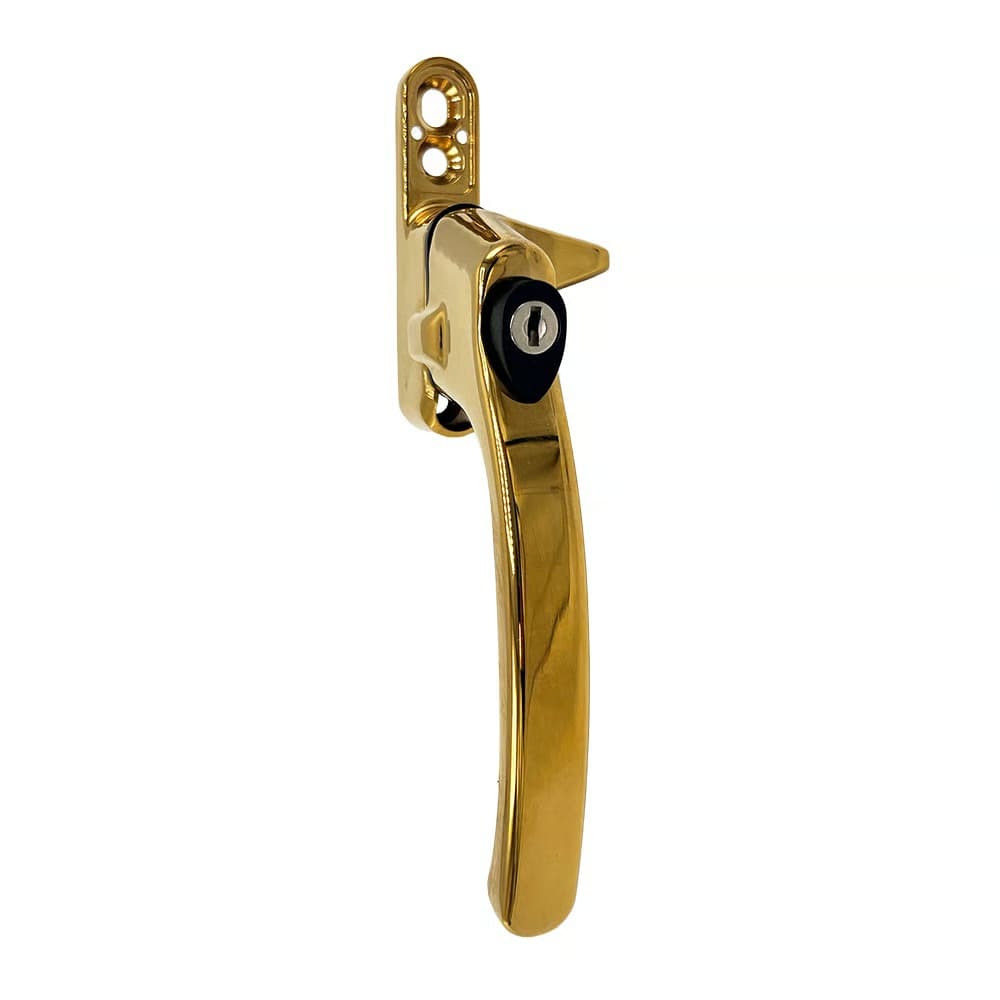
uPVC White Window Handles: Complete Guide to Fit and Finish
uPVC white window handles are one of the most common fittings in modern homes and commercial properties. They combine functionality, affordability and a ne...
uPVC white window handles are one of the most common fittings in modern homes and commercial properties. They combine functionality, affordability and a neutral finish that suits most frames. This guide explains the common types, how to measure and fit replacement handles, maintenance tips to keep them looking new, and considerations for security and finish. It is written for both homeowners and tradespeople who need practical, actionable advice.
Why choose white uPVC handles
White handles are popular because they match white frames, are economical to produce and offer a clean, unobtrusive look. They also provide an ideal base for paint touch-ups if a different shade is required. Selecting quality components prolongs life and reduces the need for frequent replacements, while the right profile and spindle length ensure smooth operation.
Common types and mechanisms
Understanding the mechanism is essential when ordering replacements.
- Espag (espagnolette) handles: Use a square spindle and operate a multipoint lock through a gearbox or espag mechanism. Often found on casement windows. A robust option is the TSS Cockspur Window Handles.
- Cockspur handles: Surface-mounted and operate by pushing a lug onto the keep. Suitable for simple, single-point locking on older frames. A widely used example is the TSS Cockspur Window Handle.
- Ratchet and spiral handles: Provide incremental opening control for venting. Less common on mainstream uPVC but useful where controlled ventilation is required.
- Lever/Pad handles: Often used with night vents and tilt-and-turn arrangements; check spindle and fixing positions.
Measuring for a replacement
Accurate measurement prevents returns and refitting delays. Follow these steps:
1. Identify the handle type (espag, cockspur, lever) and note how it attaches: through-bolt, surface-fix or spindle. 2. Measure the spindle: remove the handle if necessary and measure the length from the centre of the spindle square to the outside face of the handle. Common lengths are 35mm or 45mm but confirm before ordering. 3. Record fixing hole centres: measure between screw centres on the rose or base plate (often 43mm for many espag handles). If there are no visible screws, measure the backset from the frame edge to the fixings. 4. Note backset and projection: how far the handle sits from the frame and whether it clears casement hardware. 5. Check handedness: whether the handle is left or right handed (which way it points in the closed position). Many handles are reversible, but confirm on the product page.
Tradespeople should carry a few common spindles and handles to fit on-site, reducing multiple visits.
Fitting: step-by-step practical guide
Tools required: screwdriver set, spirit level, tape measure, penetrating oil (if screws are seized), and a soft mallet.
1. Remove the old handle: open the handle and locate the fixing screws. Apply penetrating oil to seized screws and wait a few minutes before attempting removal. 2. Extract the spindle: pull the handle free, noting the direction and any shims behind the rose. 3. Offer the new handle to the frame: check that the spindle engages with the gearbox or lock. Confirm that fixing holes align. 4. Fit screws loosely, then operate the handle a few times to ensure smooth movement and correct engagement. 5. Tighten screws evenly and test operation under load, checking that the locking points engage and the window locks fully. 6. If using espag handles with gearbox variations, test the window closed and turned to lock, listening for correct engagement of the locking cams or hooks.
For cockspur handles, ensure the lug engages the keep without bending the handle; adjust keep position if necessary by loosening and shifting it slightly.
Maintenance and finish
Regular maintenance extends life and keeps the finish pristine:
- Clean monthly with warm water and a mild detergent; avoid abrasive cleaners that dull the white finish.
- Lubricate moving parts annually with a silicone-based spray or light machine oil applied to the spindle and any exposed mechanisms.
- Tighten loose screws as part of routine checks; loose fixings increase wear and can lead to handle failure.
- For small scuffs or discolouration, use a non-abrasive plastic polish or a colour-matching touch-up pen. For deeper damage, replacing the handle is more cost-effective than extensive cosmetic repair.
Security and compliance
Quality handles should complement the locking system. Espag handles are preferred for multipoint locks because they transmit torque directly to the locking gearbox. Look for handles that meet industry standards and, when fitting to rented properties or new installations, ensure components comply with local building and safety regulations.
If enhanced security is needed, choose handles with a key-locking function or anti-snap features and ensure the glass and frame hardware are rated accordingly.
Matching interiors and finishing notes
White handles provide a neutral backdrop and can blend with most interior schemes. For tradespeople specifying full replacements, check whether handles are sold as left or right handed and whether they include spare spindles or screws. For homeowners considering a change of colour, select a matt white to reduce visible fingerprints, or upgrade to chrome or black for contrast — remembering to replace matching keeps and hinges for consistency.
Quick checklist and common problems
Checklist before ordering:
- Confirm handle type (espag, cockspur, lever).
- Measure spindle length and backset.
- Record fixing hole centres and handedness.
- Check whether a keyed lock is required.
- Handle wobbles: tighten screws, replace worn fixing bushes.
- Handle won’t engage lock: check spindle alignment and gearbox wear; replace espag if gearbox is damaged.
- Seized screws: apply penetrating oil and use correct screwdriver size to avoid camming out.