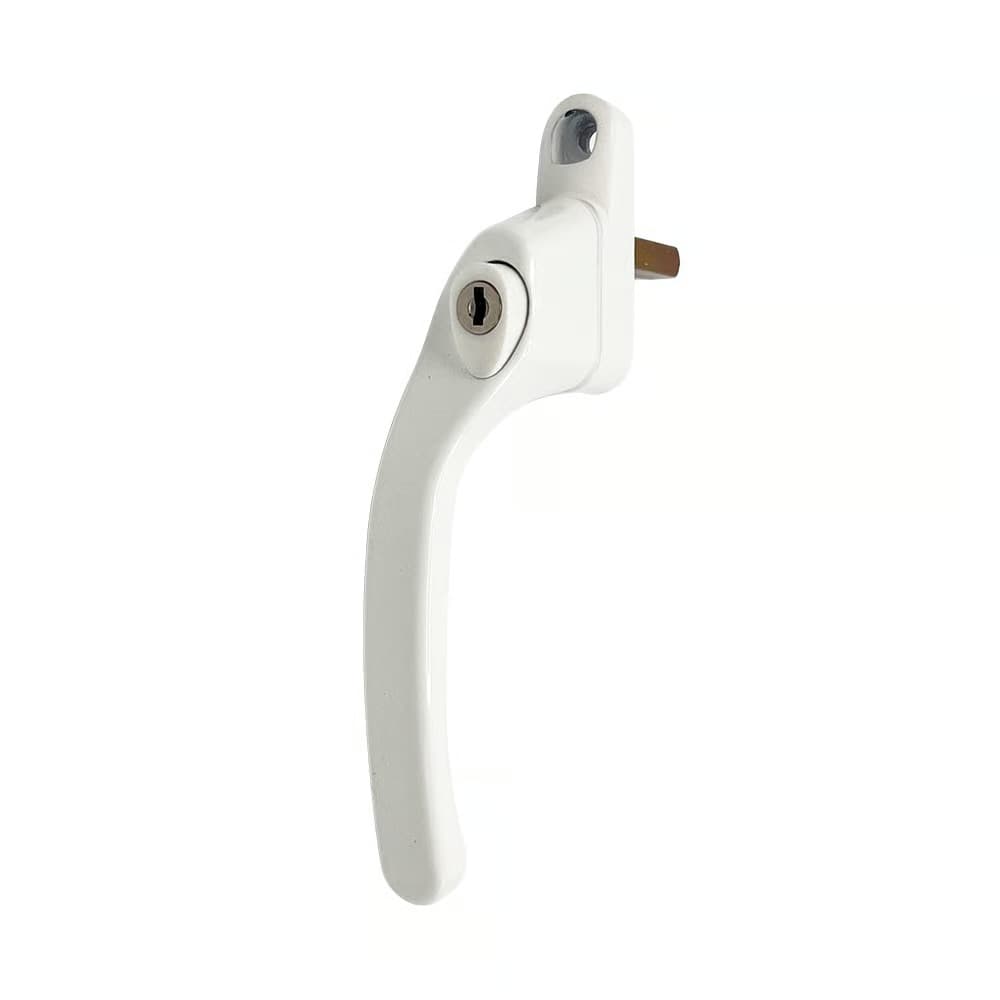
uPVC White Window Handles: Durability and Finish Quality
uPVC white window handles are a common choice for modern homes and trade projects, offering a balance of affordability, corrosion resistance and a neat aes...
uPVC white window handles are a common choice for modern homes and trade projects, offering a balance of affordability, corrosion resistance and a neat aesthetic that complements white frames. This article looks at the factors that determine durability and finish quality, practical maintenance and fitting advice, and how to choose handles that will perform well for years. The guidance applies to homeowners and tradespeople specifying or replacing hardware on windows and doors.
Materials and construction: what affects durability
Durability starts with the materials used. Most uPVC white window handles are made from zamak (a zinc alloy), aluminium or reinforced polymers. Zamak offers good strength and a cost-effective solution, but quality varies with die-casting standards and internal coatings. Higher-spec zamak parts often include additional corrosion-resistant platings.
Handles with a stainless steel spindle and reinforced internal fixings reduce wear at the pivot and where the handle interfaces with the gearbox or espagnolette. Models designed for high-frequency use—such as handles with sprung return mechanisms and reinforced boss areas—will last longer in busy households and rental properties.
Finish quality depends on the factory coating process. Electrostatic powder-coated or thermoplastic-dipped finishes tend to give even coverage without runs, while cheaper painted finishes can chip and peel. A good finish should resist fading and staining from regular cleaning and sunlight exposure.
Signs of wear to watch for
Early identification of wear prevents bigger repairs. Common signs include:
- Loose or wobbly handle movement indicating stripped fixings or degraded boss inserts.
- Stiff operation or binding, suggesting spindle wear or gearbox alignment issues.
- Paint or coating flaking, exposing base metal and accelerating corrosion.
- Excessive play between the handle and the locking mechanism, which can compromise security.
Choosing the right finish for long-term appearance
White finishes vary by tone (bright white, off-white, or cream) and gloss level (matt, satin, gloss). Matching the frame colour is important for a cohesive look. Durable white finishes to prefer:
- Powder-coated white for metal or alloy handles: excellent adhesion and resistance to chipping.
- Thermoplastic-dipped white for die-cast parts: good impact resistance and smooth finish.
- UV-stable paints for handles exposed to strong sunlight to prevent yellowing.
Maintenance routines that extend life
A simple maintenance routine greatly extends handle life and preserves the finish:
- Clean every 3–6 months with a mild detergent and a soft cloth; avoid abrasive cleaners and bleach that can degrade coatings.
- Lubricate the spindle, locking points and moving parts annually with a light machine oil or silicone spray. Wipe away excess to avoid attracting dust.
- Tighten screws and check fixation to the frame during annual maintenance visits, replacing any stripped screws with the correct size and type.
- Replace damaged or corroded handles promptly rather than allowing corrosion to spread to the locking mechanism.
Security and compatibility considerations
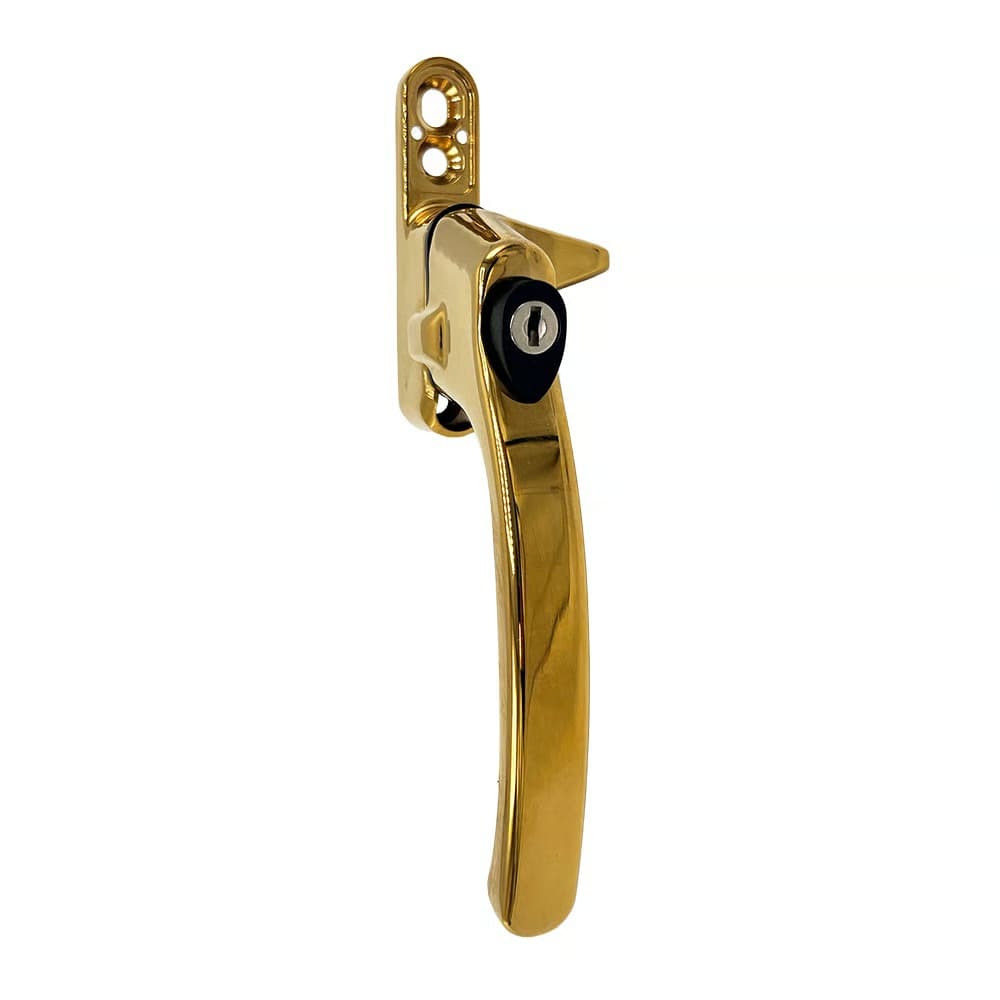
Durability must be balanced with security. Handles designed for use with multi-point locking systems or espagnolette gearboxes should have compatible spindle sizes and boss configurations. Espag handles are common for secure windows; the TSS Cockspur Window Handles is an example of a handle specified for higher-security applications, offering a robust internal mechanism and a reinforced boss.
Cockspur handles remain a practical option for certain casement or tilt-and-turn installations where surface-mounted locking is used. The TSS Cockspur Window Handle provides a tried-and-tested design with a durable finish suited to many refurbishment projects.
Tradespeople should confirm spindle length, fixing centres and keying requirements before ordering replacements, and keep a record of specifications for each property type.
Fitting and installation best practice
Correct installation reduces the risk of premature failure:
- Use recommended fixings and avoid overtightening, which can deform plastic bosses or strip threads in aluminium frames.
- Ensure the handle spindle engages fully with the gearbox; a partial engagement increases wear and can lead to failure.
- For keyed or child-safe handles, set the lock mechanism orientation according to manufacturer instructions to avoid twisting loads on the spindle.
- Test the full range of motion and locking engagement multiple times after installation and again after 24 hours to ensure no settling issues.
Choosing the right product for the job
Select handles based on usage, environment and expected lifespan. For high-use communal or commercial properties, choose reinforced designs with corrosion-resistant finishes and proven mechanical reliability. In residential settings, cost-effective zamak handles with powder-coated finishes often provide a satisfactory service life when properly maintained.
Keep a small stock of standard spares—spindles, matching screws and an extra handle of the most common type used across projects—to reduce downtime during repairs.
Conclusion
Selecting uPVC white window handles involves assessing materials, finish quality, compatibility and maintenance needs. Attention to the finish process and internal construction helps avoid common failures such as coating flake, spindle wear and loose fixings. Regular inspections, appropriate lubrication and correct installation greatly extend the life and appearance of handles, keeping windows secure and looking their best.