uPVC White Window Handles: FAQs
uPVC white window handles are one of the most common hardware items in modern British homes. This FAQ-style guide covers the practical points homeowners an...
uPVC white window handles are one of the most common hardware items in modern British homes. This FAQ-style guide covers the practical points homeowners and tradespeople need to choose, fit and maintain these handles, including quick troubleshooting and security considerations. The content aims to help make confident decisions when replacing or upgrading window furniture.
What are uPVC white window handles?
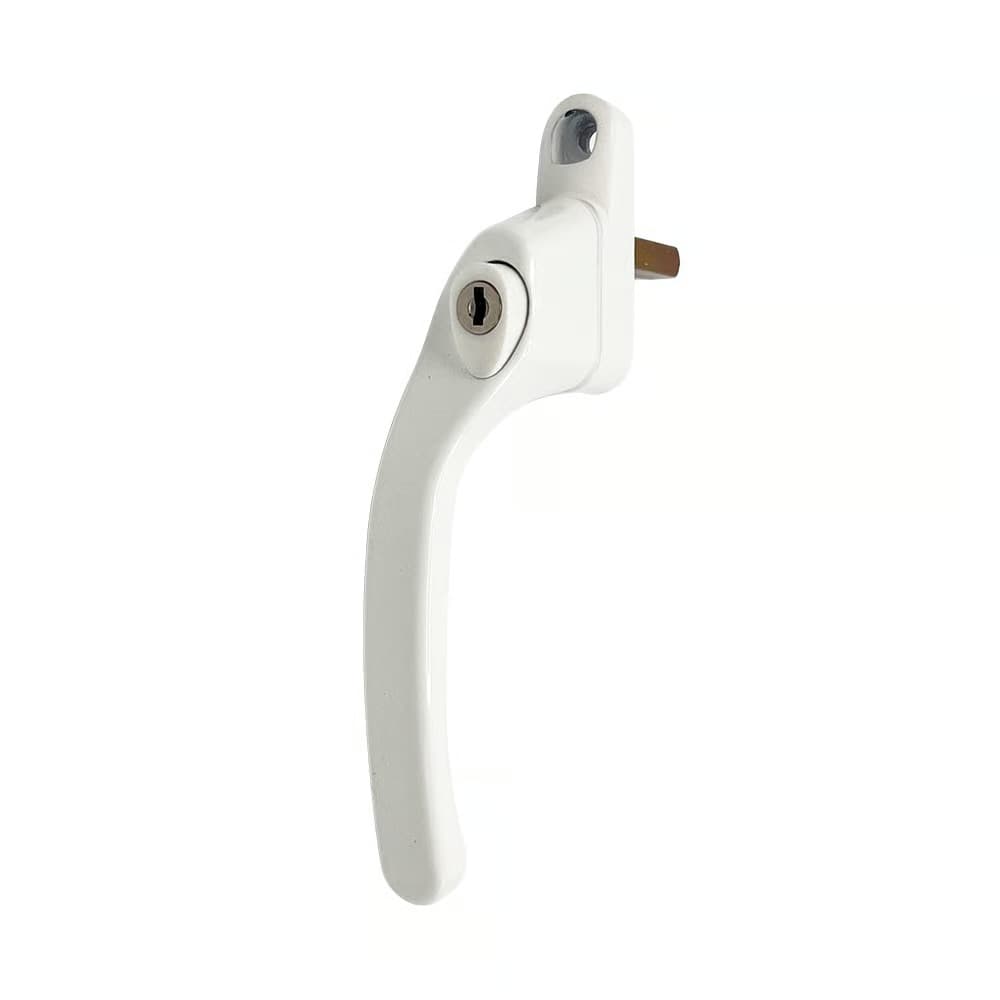
uPVC white window handles are window operating handles manufactured to suit uPVC frames, typically finished in a white powder coat or plastic to match white windows. They vary by mechanism—espagnolette (espag), cockspur, monkey tail and tilt-and-turn variants are common—and by locking features, such as key-lock or shootbolt engagement. The choice depends on window style, security requirements and compatibility with existing hardware.
Common types and when to use them
- Espagnolette (espag) handles: Used on casement windows with rods or locking mechanisms that run vertically. These often provide multi-point locking when combined with an espag gearbox. Tradespeople frequently fit the robust TSS Cockspur Window Handles where higher security and a neat finish are required.
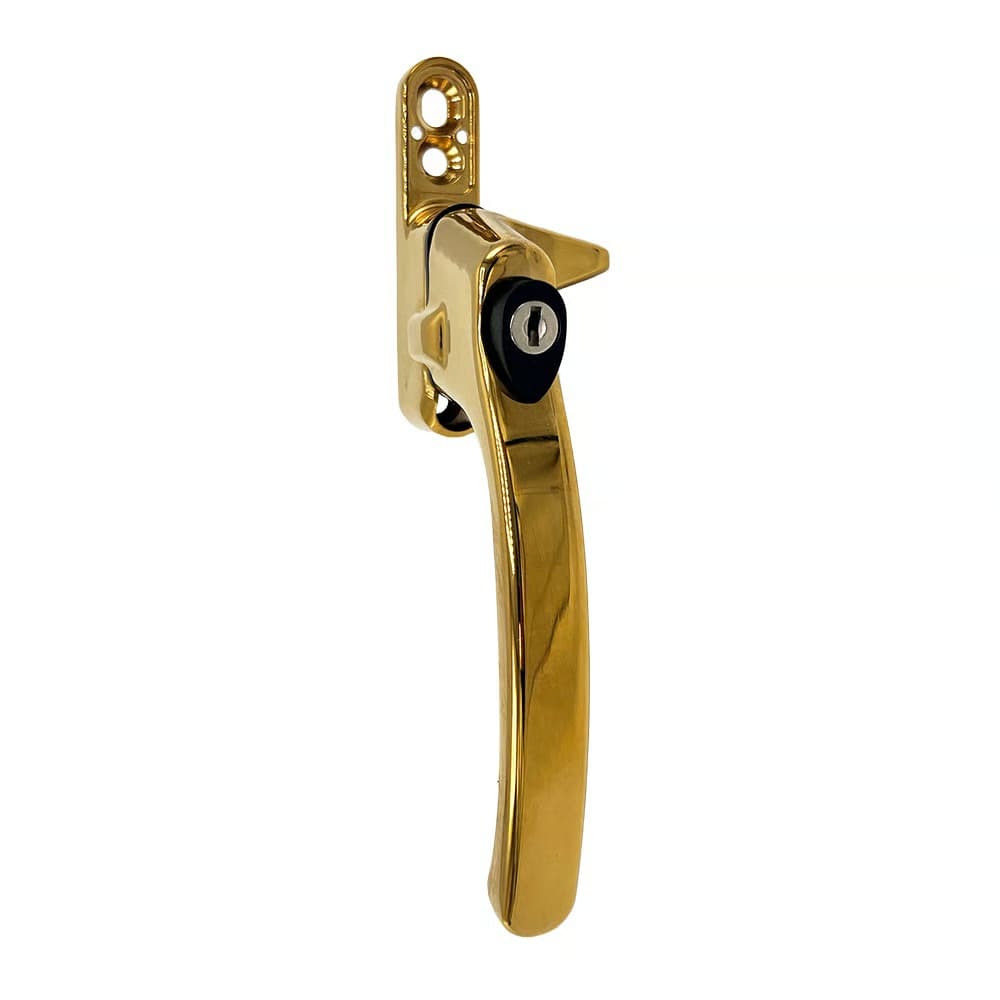
- Cockspur handles: Simpler surface-mounted handles that hook over a keeps plate; commonly used on older or secondary windows and quick replacements. The TSS Cockspur Window Handle offers a straightforward option for fast swaps.
- Locking handles: Key-locking versions increase security on ground-floor windows and those accessible from outside. The TSS Offset UPVC Window Handles combines a recognised brand with a secure, discreet lock.
- Tilt-and-turn or espagnolette variants: Specific to tilt-and-turn systems and some modern casements; ensure handle orientation and square spindle length match the mechanism.
Measuring and identifying the correct handle
Accurate measurement prevents returns and wasted time. Key measurements and checks:
- Backset and spindle size: Measure the square spindle (normally 7mm or 8mm) and the distance from the spindle centre to the handle fixing centres if fitting a replacement. Note whether the spindle is threaded or plain.
- Fixing hole spacing: Measure the distance between screw centres on the handle rose or baseplate.
- Handing: Determine left- or right-handed by facing the window from the outside; the side the handle sits on indicates handing.
- Locking mechanism compatibility: Identify whether the handle engages a gearbox, espag rod or simple catch.
Fitting and replacement – step-by-step
1. Gather tools: cross-head screwdriver, Allen key (for hex grub screws), replacement handle, and cleaning rag. Optionally use a torque-limited driver to avoid over-tightening. 2. Remove old handle: Open the window to release tension, remove grub screw beneath the handle (or unscrew rose fixings), slide off handle from spindle and unscrew baseplate. 3. Inspect gearbox and spindle: Check for wear, stripped splines or damaged threads. Replace the gearbox if the handle fit is loose or the window does not lock properly. 4. Fit new handle: Slide the new handle onto the spindle, align fixing holes and tighten screws evenly to manufacturer torque guidance. For locking handles, test the key operation and ensure the lock engages the gearbox or keep correctly. 5. Run an operational test: Operate window fully open, closed and locked states several times to ensure smooth action and correct alignment.
Actionable tip: Replace the spindle if splines are worn—this often resolves sloppy handles without needing full gearbox replacement.
Maintenance and longevity
Routine maintenance extends lifespan and improves security:
- Clean regularly with mild detergent; avoid abrasive cleaners that can scuff the finish.
- Lubricate moving parts annually with a dry PTFE spray on the spindle and mechanism—avoid heavy oils that attract dirt.
- Check screws for tightness twice a year; loose fixings can damage the window mechanism.
- Replace worn handles promptly; continuing to use a loose or slipping handle risks damaging the gearbox or locking rods.
Security considerations
uPVC white window handles play a role in overall window security. Key points:
- Use key-locking handles on accessible ground-floor or vulnerable windows.
- Combine robust handles with quality espag rods and multi-point locking to deter forced entry.
- Confirm product standards where relevant—some handles are sold with security ratings or anti-jemmy features.
Matching handles to décor and paintwork
White handles suit most uPVC frames, but slight colour variations exist between manufacturers. When colour-matching matters:
- Order a sample or buy from the same product family to ensure consistent tone and sheen.
- For painted frames or unusual shades, consider spraying the handle with a specialist plastic paint or fitting a contrasting metallic handle for a design feature.
Troubleshooting common problems
- Handle stiff or hard to turn: Clean and lubricate; check for misaligned keeps or swollen frames. If stiffness persists, inspect gearbox.
- Handle loose on spindle: Tighten grub screw; if slipping remains, replace spindle or handle.
- Key won’t turn: Lubricate lock with graphite powder and check for broken internal components; a broken key or worn lock may require full handle replacement.
Final recommendations
Always match measurements and mechanism type before ordering replacements, and keep the old handle until the new one is successfully fitted in case of unexpected differences. Tradespeople should carry a small stock of common spindle lengths and fixings to speed up on-site replacements.