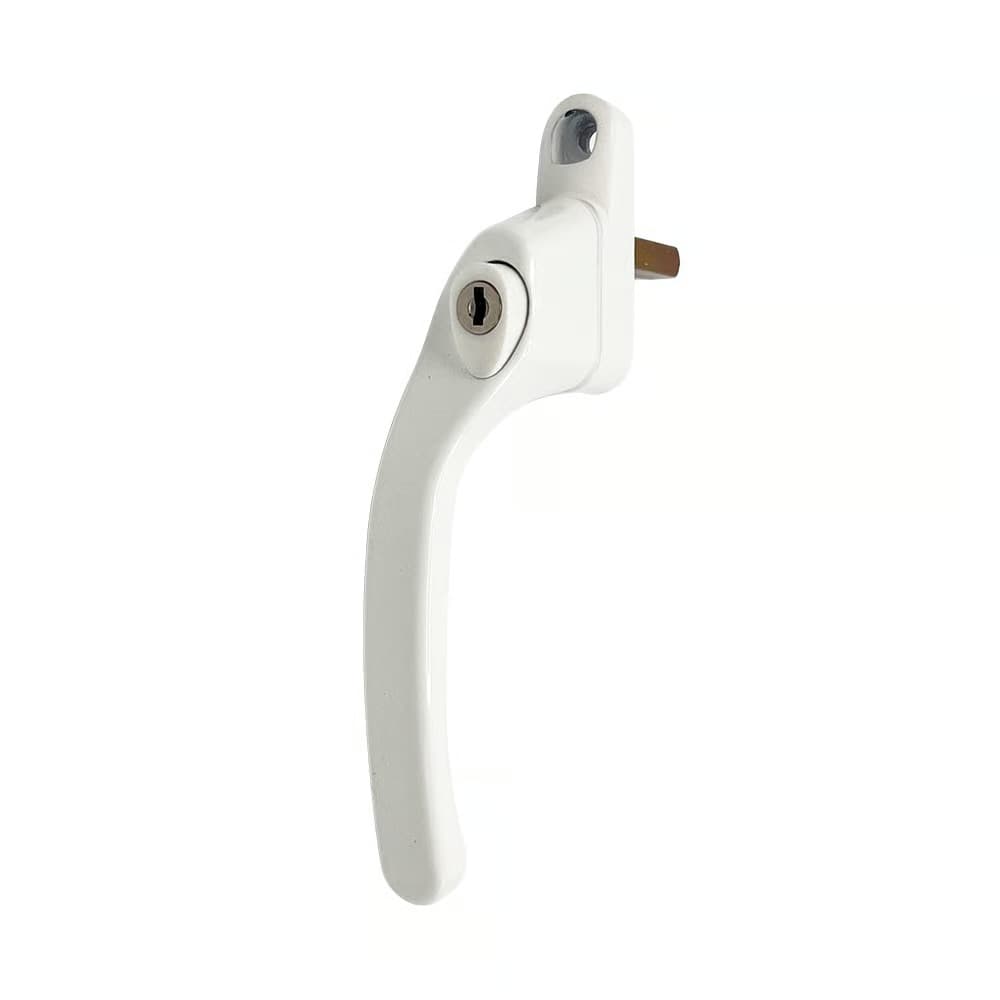
uPVC White Window Handles: How to Measure for Compatibility
uPVC white window handles are a common and practical choice for both homeowners and tradespeople, combining a neutral finish with corrosion resistance and...
uPVC white window handles are a common and practical choice for both homeowners and tradespeople, combining a neutral finish with corrosion resistance and easy maintenance. Selecting the correct handle requires accurate measurements and an understanding of window hardware types to ensure compatibility with existing locks and windows. This guide outlines the essential dimensions and checks needed to fit replacement handles with confidence.
Identify the handle type first
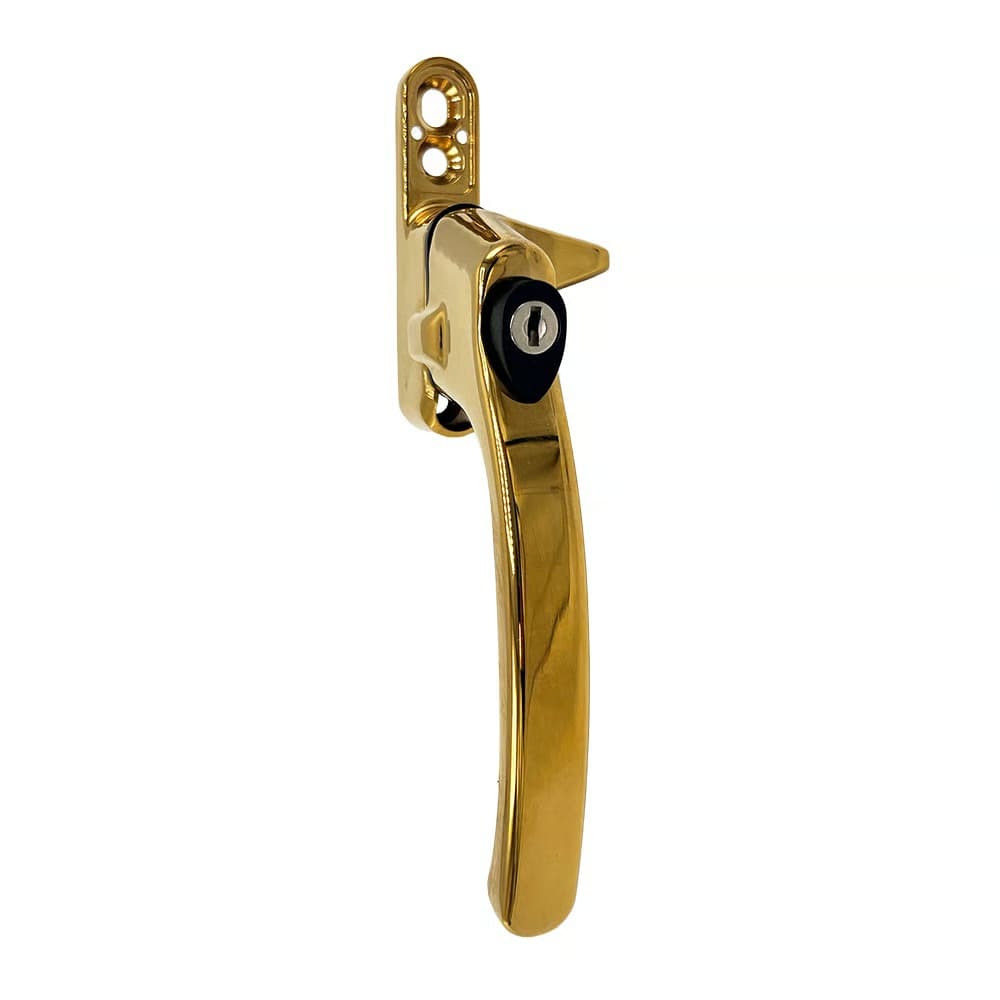
The starting point is identifying the handle style. Common types for uPVC windows include espag (espagnolette) handles used with multipoint locking systems, cockspur handles suited to older or secondary glazing windows, and standard key-locking handles. Each style interfaces with the lock differently, so confirming the type prevents mismatches. For example, a TSS Cockspur Window Handles suits espagnolette gearboxes, while a TSS Cockspur Window Handle fits cockspur-style keep assemblies.
Measure the screw centres (fixing centres)
Screw centre distance is the most crucial measurement. It is the distance between the centres of the two fixing screws on the handle backplate.
- Use a steel rule or calipers for accuracy.
- Measure from the centre of one screw hole to the centre of the opposite screw hole along the length of the backplate.
- Common screw centres for uPVC handles are 43mm, 55mm and 92mm. Many modern handles use 43mm or 38mm; older designs and certain manufacturers may use 92mm.
- Record the measurement to the nearest millimetre. Matching the screw centres ensures the new handle can be mounted without drilling new holes.
Measure the spindle length and diameter
The spindle is the square rod that links the handle to the locking mechanism inside the window.
- Remove the handle if possible and measure the exposed spindle length from the inner face of the handle backplate to the end of the spindle. If removal is not possible, measure the total projection from the frame and subtract the backplate thickness.
- Standard spindle sizes include 7mm and 8mm square in uPVC windows, with lengths commonly 30mm, 40mm or 45mm.
- A spindle that is too short will not engage the gearbox; one that is too long can prevent the handle from sitting flush and may damage the mechanism.
- Use a digital calliper for diameter measurement or compare with a known spindle size.
Determine the backset and gearbox centre for espag handles
For espagnolette systems, the backset and gearbox centre become important:
- Backset refers to the distance from the inside edge of the frame to the centre of the gearbox or handle spindle.
- Measure the backset by opening the sash and measuring from the inside edge of the sash to the spindle centre.
- Many espag gearboxes have a standard 16mm or 20mm backset; confirm against the replacement handle’s specification.
- Some espag handles are handed — note the locking direction (which way the handle turns to lock) and choose left or right accordingly.
Check the keep and locking mechanism compatibility
Compatibility is not only about the handle; the keep or strike plate on the frame must align with the locking cams or hooks.
- Inspect the keep: is it a roller, hook, or bolt keep? Ensure the replacement handle’s locking cam profile matches the keep.
- For cockspur handles, measure the projection of the spur that engages the keep and confirm the replacement handle has a matching projection.
- A TSS Offset UPVC Window Handles is an example of a modern keyed handle suitable where a secure keyed option is required; keyed handles must align with the existing lock cylinder position.
Consider handle projection and clearance
Handle projection affects operation within a room and clearance to furnishings.
- Measure from the face of the frame to the outermost point of the handle when in the closed position to ensure it will not hit curtains or nearby fittings.
- Slimline handles are available for tight spaces; tradespeople should check protrusion against local site constraints.
Check handing and locking orientation
Handing describes whether a handle is left- or right-handed.
- From inside the property, if the handle is on the left side when viewed, it is usually a left-hand handle; if on the right, it is right-handed. Confirm manufacturer definitions as some differ.
- For keyed or lockable handles, ensure the key rotates in the correct direction and that the lock cylinder clears beading and frames.
Practical tips for accurate measurements
- Use accurate tools: steel rule, vernier calipers and a set square for perpendicular checks.
- Take photos of the existing handle, gearbox and keep before removal. Photos aid parts identification and communication with suppliers.
- Label parts during removal and keep screws in a small container to prevent loss.
- Where measurements are ambiguous, remove the handle to measure spindle length and screw centres directly; removing the handle also reveals any damage or wear to the spindle and gearbox.
- Keep a record of brand names and any part numbers stamped on the hardware — manufacturers often mark their components.
Replacement and fitting considerations
- Match the screw centres and spindle size first, then refine choice by handle type, projection and finish.
- Use corrosion-resistant screws suitable for uPVC applications; stainless steel is preferred.
- When fitting a keyed handle or replacing an espag handle, operate the mechanism slowly after installation to check smooth engagement and adjustment of keeps if necessary.
- For installations requiring upgraded security, consider handles that meet current standards; multipoint espag systems paired with secure handles improve resistance to forced entry.