uPVC White Window Handles: Matching Common Frame Styles
uPVC white window handles are a common finishing touch that must both match the frame style and function reliably. Selecting the correct handle affects app...
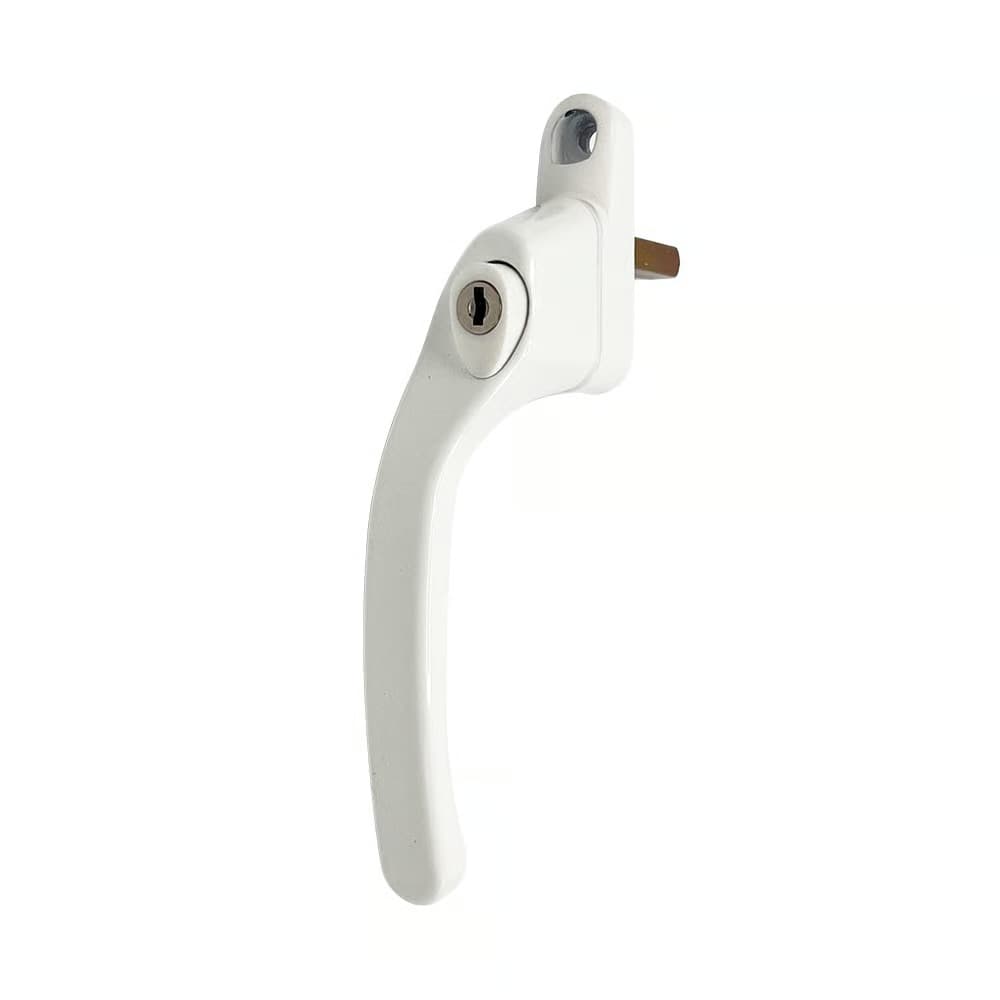
uPVC white window handles are a common finishing touch that must both match the frame style and function reliably. Selecting the correct handle affects appearance, security and ease of use. This guide helps homeowners and tradespeople identify typical frame styles, select compatible upvc white window handles, and fit or replace them with practical, actionable advice.
Identify the window system and handle type
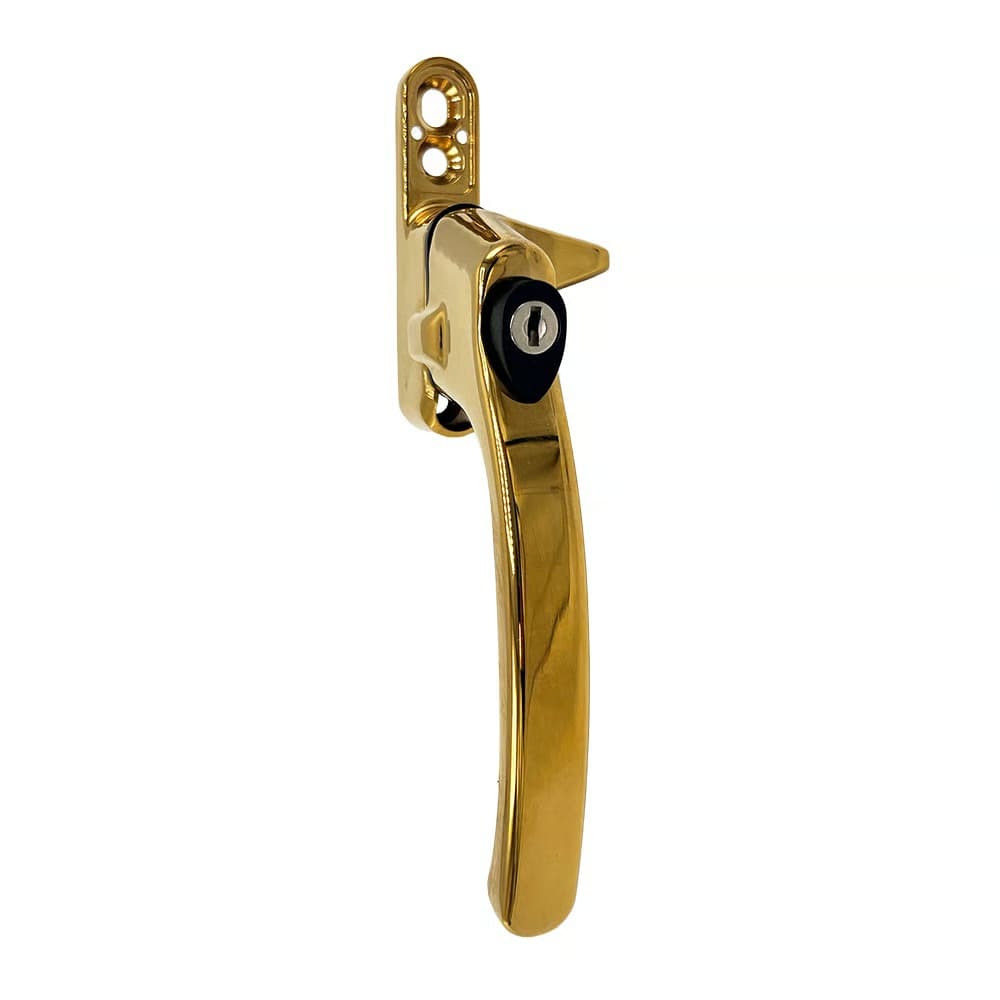
The first step is to determine the window’s opening mechanism and whether the handle is an espagnolette, cockspur, or a casement style. Many modern uPVC windows use espagnolette locks — a multi-point locking mechanism — and require an espag handle. Older or simpler casement windows frequently use cockspur handles, where a projection hooks behind a keep to secure the sash. Tilt-and-turn and some inward-opening styles use specialist handles.
For espagnolette systems, the handle will normally operate a spindle that turns to engage internal locking gears. For cockspur windows, the handle turns a cam that bears on a frame-mounted keep. Confirming the mechanism avoids ordering an incompatible handle and saves time during installation.
Match handle design to frame profile and sightlines
Aesthetics matter: white handles should sit neatly against the frame without gaps or overhang. Measure the backset (distance from the handle centre to the edge of the handle base) and the fixing screw centres. Common UK backsets for espag handles include 35mm and 45mm; cockspur handles have standard fixing centres but varying projection lengths.
Consider these practical points:
- Flush-fitting rosettes complement modern sculptured frames; larger backplate handles suit older square-edged profiles.
- If frames have beading or trims, choose handles with a slim base to avoid interference.
- For high-visibility rooms such as living areas, a neat, low-profile design maintains clean sightlines.
Measure precisely before ordering
Accurate measurements prevent returns and reduce downtime on site. Key measurements to take:
- Centre-to-centre of fixing screws: remove the existing handle cover or backplate to measure the exact distance.
- Spindle size and shape: common square spindles are 7mm or 8mm; some use splined or D-shaped spindles.
- Backset and overall projection: ensures the handle sits correctly and does not foul the window frame or handle on adjacent windows.
- Screw length and frame thickness: long screws can protrude into glazing beads or inner surfaces; choose appropriate screw lengths.
Consider security and locking options
Security standards and insurance requirements influence handle choice. For accessible ground-floor windows, two key considerations are locking capability and screw security.
- Lockable handles reduce the risk of unauthorised opening. Some espag handles include key locks that secure the handle spindle.
- Anti-snap fixings and tamper-resistant screws deter forced removal of the handle.
- Ensure the handle’s lock matches the locking points within the sash. A handle that locks the spindle in one position but leaves the espag mechanism disengaged provides a false sense of security.
Fitting and replacement: practical steps
Replacing uPVC white window handles is often straightforward with the right tools: a pozidriv screwdriver, hex keys for grub screws, and a tape measure.
- Remove the old handle carefully and retain any special fixings. Inspect the spindle for wear; a distorted spindle often causes sloppy operation and should be replaced.
- Check the condition of the locking keeps and locking gears within the sash. Worn keeps can prevent a new handle from achieving secure engagement.
- Fit the new handle tentatively, turning the spindle to ensure it operates the locking mechanism smoothly. Adjust the keeps if necessary so that locks engage without excessive force.
- Use appropriate torque on fixing screws: over-tightening can crack uPVC or distort the handle base, while under-tightening allows play.
- For lockable handles, check key operation and ensure keys are supplied with the installation.
Maintenance and troubleshooting
Routine maintenance extends handle life and keeps windows operating smoothly:
- Lubricate moving parts annually with a light machine oil or silicone spray on the spindle and locking mechanisms.
- Tighten loose screws and replace worn spindles or keeps promptly.
- For handles that stick or are hard to operate, investigate sash alignment and locking point adjustment before replacing the handle.
- Replace cracked or yellowing handles rather than continuing with degraded components, as brittle plastic can fail suddenly.
Summary
Choosing the right upvc white window handles combines accurate measurement, an understanding of the window mechanism, and attention to security and aesthetics. Matching the handle style to the frame profile and ensuring compatibility with locking mechanisms avoids installation issues and improves longevity. Tradespeople benefit from standardising components across jobs, while homeowners gain in both appearance and security by selecting appropriate, well-installed handles.