uPVC White Window Handles: Trade Tips for Fast Replacement
uPVC windows are a common feature in UK homes and tradespeople are frequently asked to replace worn or broken white handles quickly and reliably. This guid...
uPVC windows are a common feature in UK homes and tradespeople are frequently asked to replace worn or broken white handles quickly and reliably. This guide focuses on practical, trade-ready tips for fast replacement of upvc white window handles, covering common handle types, measuring, removal, fitting and troubleshooting so a job can be completed on-site with confidence.
Identify the handle type and operation
The first step is to identify the handle type and how it operates. The most common mechanisms for uPVC white window handles are espag (espagnolette) handles, cockspur/locking handles and lever-lock handles. Espag handles operate a gearbox and multi-point locking via a spindle and gearbox assembly; cockspur handles hook over the frame; lever-lock handles are simpler and use a two-screw fix.
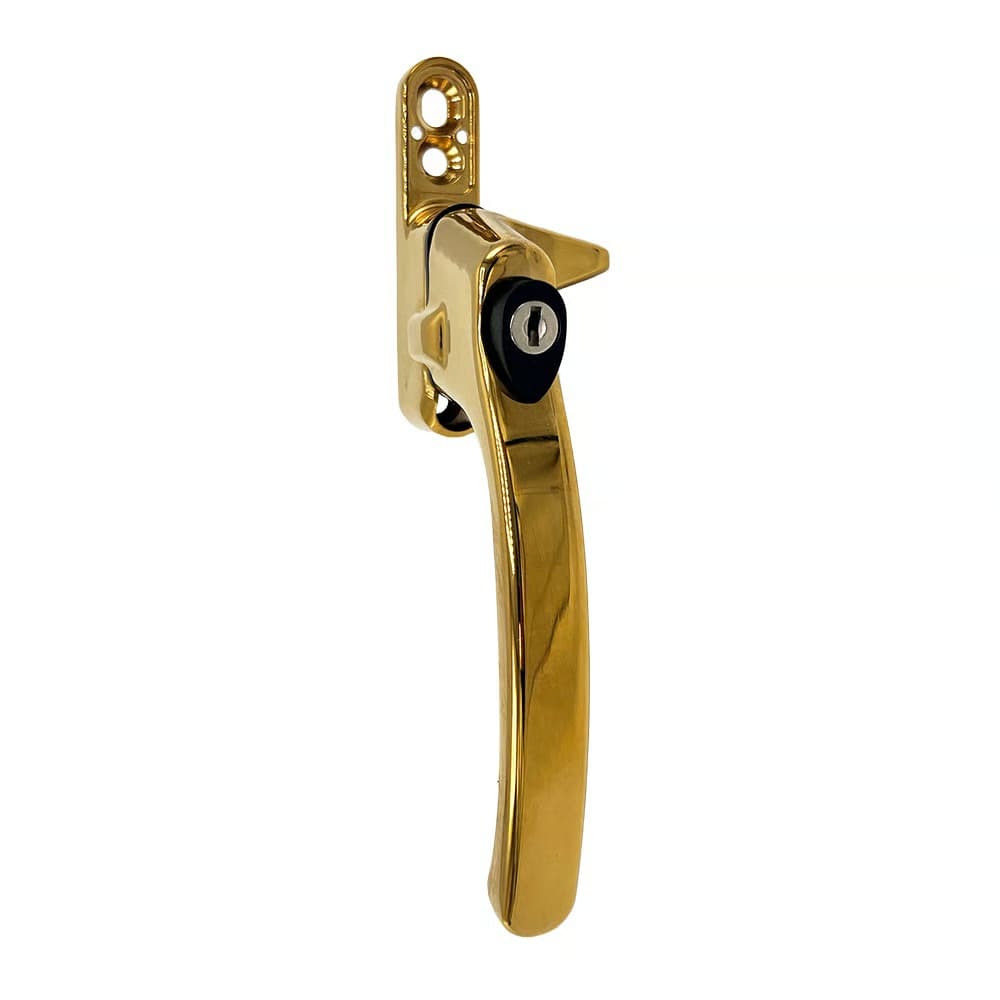
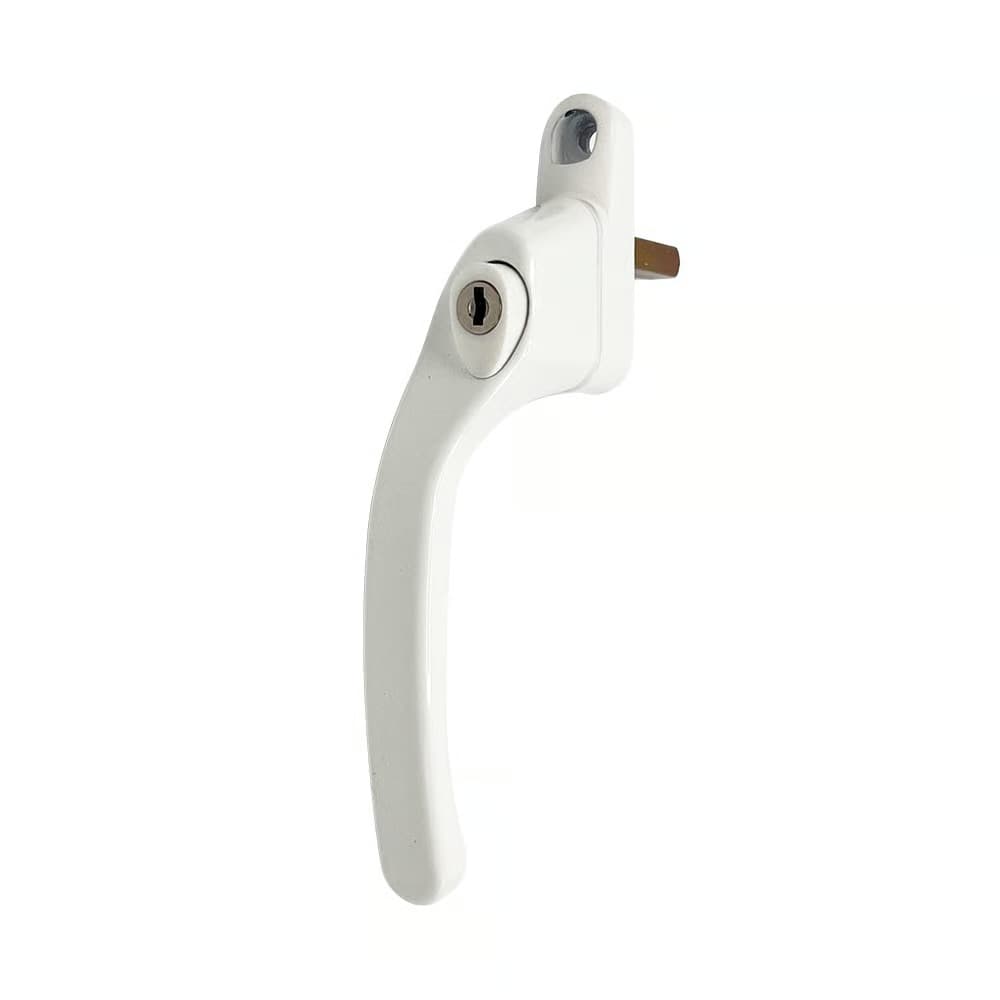
For trade-ready replacement of espag handles, consider a dedicated locking handle such as the TSS Cockspur Window Handles. For simple casement or side-hung windows with a hook action, a TSS Cockspur Window Handle will often be suitable. A robust, general-purpose option for many older frames is the TSS Offset UPVC Window Handles.
Prepare tools and parts
Have the following items to hand before starting: screwdriver set (Pozidriv and flat), Allen keys, tape measure, replacement handle, replacement screws (typically 25–35mm long for uPVC), spares for spindle sizes (40–60mm common) and masking tape. Clean cloth, silicon grease for moving parts and vinyl washers are useful for finishing. A small mirror and torch can help when access is restricted.
Measure and match the spindle and fixing centres
Accurate measurement avoids return trips. For espag handles measure the spindle length from end to end and the fixing centre (distance between the two screw holes). Common centres for espag and lever-lock handles are 43mm and 92mm, but confirm by measuring on-site. If the spindle is adjustable, note whether it is metric or imperial and the cross-section (usually square).
For cockspur handles, measure the projection and hole spacing. Many cockspur replacements are supplied with multiple spindle options and offset adaptors, but verifying dimensions beforehand speeds the job.
Safe removal of the old handle
- Move the handle to the neutral or unlocked position to relieve tension on the gearbox.
- Remove cover caps (if present) to reveal screws.
- Loosen and remove the two fixing screws while supporting the handle to prevent dropping the spindle into the frame.
- Pull the handle away, noting any washers or shims. For espag handles, gently withdraw the spindle from the gearbox; for cockspur handles, slide the assembly clear.
Quick fitting technique
- Clean the area and apply a small smear of silicon grease to moving parts and the spindle to ensure smooth operation.
- Insert the replacement spindle fully into the gearbox; if the new handle has an adjustable spindle, set it to match the remaining half in the frame.
- Align the handle and start the fixing screws by hand to avoid cross-threading. Tighten alternately and evenly to compress the handle base to the frame without over-torquing — overtightening can crack uPVC.
- Check handle travel and locking engagement. If resistance is excessive, remove and re-check spindle alignment and gearbox condition.
Dealing with common faults
- Sticky operation: Clean out debris, lubricate gearbox components and check for distorted spindles. Replace the spindle if bent.
- Handle looseness: Replace worn fixings and consider longer screws or resin-injected fixings for stripped threads in older frames.
- Handle won’t engage locking points: Check espag gearbox condition and full travel of the handle. If the gearbox is worn, replace the espag mechanism; handles will not cure a failing gearbox.
- Broken rose or cracked plastic base: Fit replacement handle with a metal-reinforced backplate if available to avoid repeated failures.
Secure fitting tips for tradespeople
- Keep a small kit bag of the most common widths and spindle types for fast turnarounds: 40mm, 45mm and 55mm spindles; screws 25mm, 30mm and 35mm; a couple of standard handle types.
- For service calls, carry both right- and left-handed handles to avoid back-and-forth trips.
- Use masking tape on the frame when levering around the handle to avoid scuffing white uPVC during removal or adjustments.
- Apply a small dab of clear silicone around the handle base if condensation is an issue, but avoid sealing the fixing screw access completely — future servicing access must be preserved.
Final checks and handover
Ensure the handle operates smoothly through full travel and that the locking points engage crisply. Demonstrate the locking sequence and confirm the frame seals uniformly. For espag replacements, cycle the handle several times with light lubrication to bed-in the mechanism.
Document the replacement details: handle model, spindle length, fixing centres and any gearbox or espag numbers. This helps future maintenance and ensures consistency on repeated jobs.