uPVC White Window Handles with Locks: Security Options
uPVC windows remain a popular choice for British homes thanks to their durability, low maintenance and thermal efficiency. Choosing the right uPVC white wi...
uPVC windows remain a popular choice for British homes thanks to their durability, low maintenance and thermal efficiency. Choosing the right uPVC white window handles with locks is an easy way to improve security and usability without replacing frames. This article explains the most common locking handle types, what to look for when replacing or upgrading handles, practical fitting tips and maintenance advice for both homeowners and tradespeople.
Common locking handle types
uPVC locking handles fall into several categories, each suited to different window styles and security needs.
- Espag handles: Espag (espagnolette) handles operate a multi-point locking mechanism via a spindle and gearbox. They are common on casement and tilt-and-turn windows. An espag handle with a secure gearbox offers robust resistance to forced entry. Consider the TSS Cockspur Window Handles for applications where mechanical security and a clean white finish are priorities.
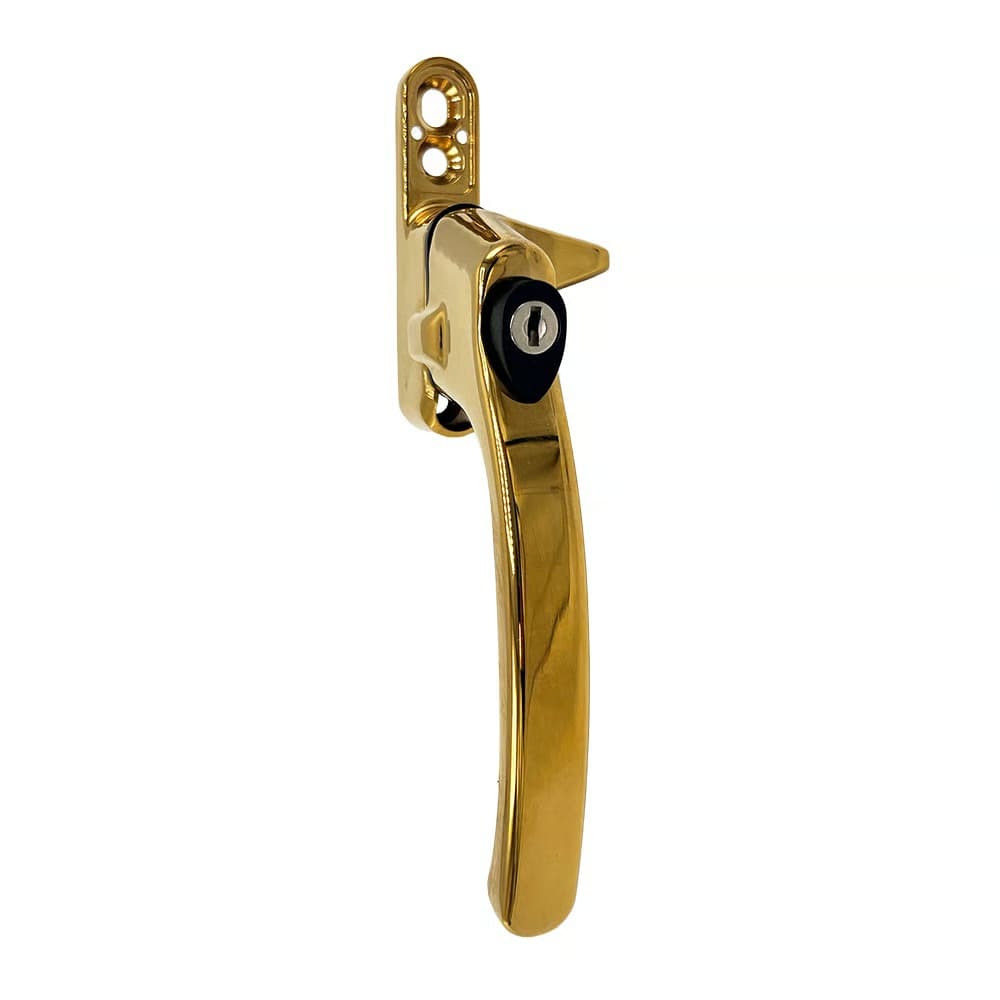
- Cockspur handles: Cockspur handles are surface-mounted and typically engage a keep on the frame. They are quick to operate and commonly used on older or simple casement windows. For a keyed cockspur option, the TSS Cockspur Window Handle provides straightforward replacement for existing cockspur hardware while adding a lockable function where required.
- Lockable cranked and tilt-only handles: Where window operation requires a cranked spindle or a dedicated tilt position, lockable versions help prevent unauthorised opening while preserving functionality.
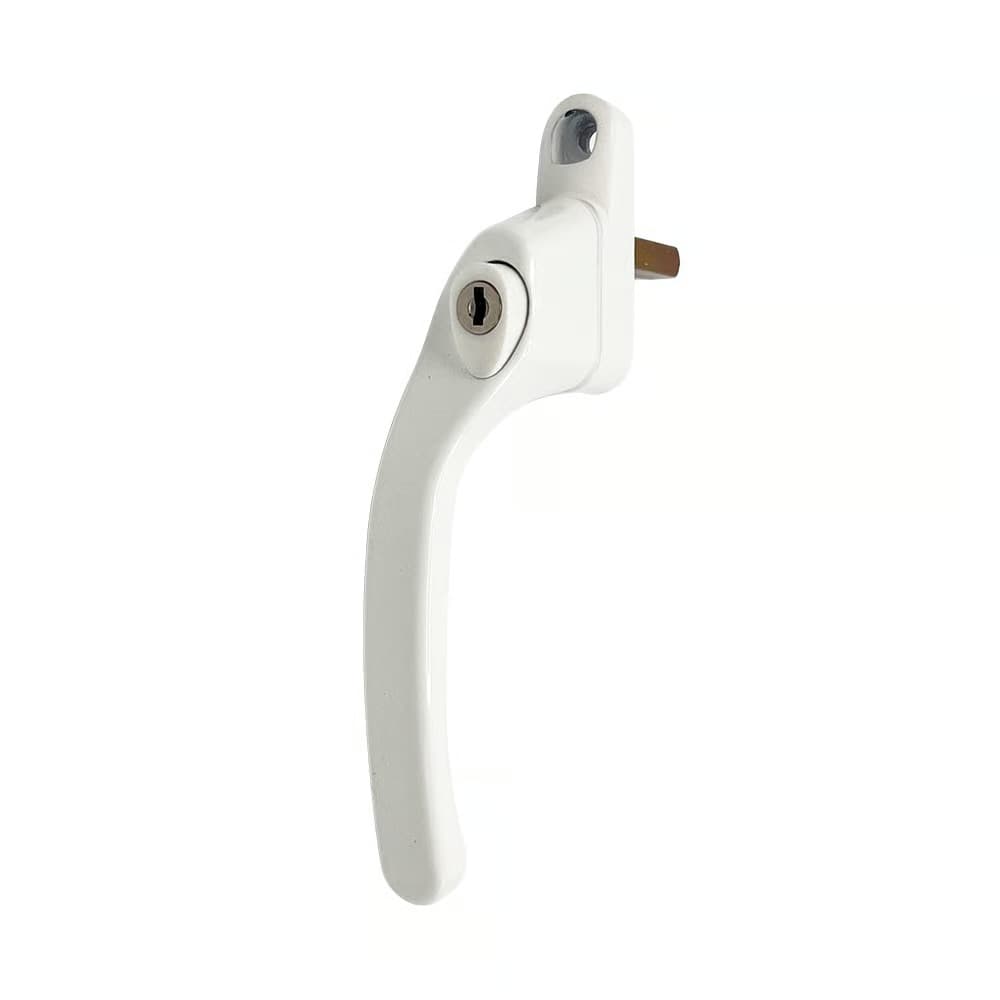
- Push-button and key-locking handles: Push-button handles are user-friendly for daily use, while key-locking handles give an additional level of security for unattended properties and ground-floor rooms. The TSS Offset UPVC Window Handles is a popular key-locking option recognised for reliable operation.
Matching handle to window and lock type
Selecting the correct handle involves confirming several measurements and compatibility factors:
- Spindle size and length: Measure the spindle diameter and the distance through the handle to the gearbox. Standard spindles are 7mm or 8mm, but always check the existing hardware.
- Fixing centres: Many uPVC handles use a 43mm fixing centre, but older fittings can vary. Record the distance between screw holes to ensure a neat replacement.
- Handing and crank height: For cranked handles, match the crank height to avoid fouling the window frame or catch.
- Locking mechanism compatibility: Espag handles require the correct gearbox and faceplate profile to operate the existing espagnolette. Cockspur and surface-mounted types must align with existing keeps.
Security considerations and standards
A secure handle contributes to overall window security but should be considered part of a system that includes locks, hinges and glazing. Key points:
- Anti-snap and anti-bump cylinders: Where a handle contains a cylinder, opt for anti-snap accredited cylinders to prevent cylinder snatch attacks. For higher-risk applications choose handles compatible with anti-snap cylinders.
- Security ratings: Look for handles and locks tested to recognised standards such as BS 6375 for operation and PAS 24 for enhanced security performance when assessing whole-window solutions.
- Key retention: Some lockable handles retain the key in the locked position, which prevents accidental locking and helps avoid being locked out; consider whether this suits each property’s use.
- Child safety and ventilation: Restrictors and keyed handles allow controlled ventilation while preventing a child from opening the window fully.
Installation and fitting tips
Proper installation ensures both security and longevity. Practical, actionable steps:
- Remove glazing beads: For espag handle replacement involving gearbox changes, remove the glazing beads and check the espag length before removing the old handle.
- Torque and fixings: Use the correct torque for screws to avoid stripping uPVC threads. If screw holes are damaged, use plastic plugs or resin repair to provide a secure fixing.
- Align keeps and strikes: After fitting a new handle, check the keeps and strikes align perfectly with the locking points. Minor misalignment can usually be corrected by repositioning the keeps rather than forcing the handle.
- Weatherproofing: Ensure any seal between the handle backplate and the frame is intact to prevent water ingress. Silicone can be applied sparingly where gaps appear.
- Test operation: Cycle the handle through its full range and lock/unlock several times. Ensure multi-point locks engage smoothly without excessive force.
Maintenance and longevity
Regular maintenance prolongs the working life of uPVC handles and keeps mechanisms reliable:
- Clean and lubricate: Wipe handles with a mild detergent and dry. Lubricate moving parts and locking points with a dry PTFE spray annually — avoid oil-based lubricants that attract dust.
- Tighten fixings: Check handle screws periodically and re-tighten to manufacturer torque settings if loose.
- Replace worn parts early: If the handle feels loose or the locking action is sluggish, replace the handle or gearbox before damage propagates to the lock or keep.
- Address condensation and damp: Persistent condensation can degrade handles and fixings over time. Improve ventilation and check seals to protect hardware.
Choosing the right upgrade
Prioritise compatibility and security requirements. For higher-risk ground-floor rooms, choose a handle with a robust lock and anti-snap cylinder compatibility. For older uPVC where original hardware is obsolete, modern cockspur or universal replacement handles offer an economical route to improved security and ease of use. Tradespeople should balance stock levels between commonly specified espag, cockspur and key-locking handles to meet most service calls.
Upgrading to high-quality uPVC white window handles with locks is a cost-effective way to improve home security and usability without renovating windows. Correct selection, accurate measurement and proper installation will ensure a durable, secure result for homeowners and tradespeople alike.