uPVC Window Handle Handing: Left vs Right Explained
uPVC window handles are small components that determine how a window opens, locks and looks. Correct handing — whether a handle is left or right handed — i...
uPVC window handles are small components that determine how a window opens, locks and looks. Correct handing — whether a handle is left or right handed — is essential when replacing or upgrading handles to ensure smooth operation and security. This guide explains how to identify left versus right handing, what measurements matter, and practical steps for ordering and fitting replacements for homeowners and tradespeople.
What handing means for uPVC window handles
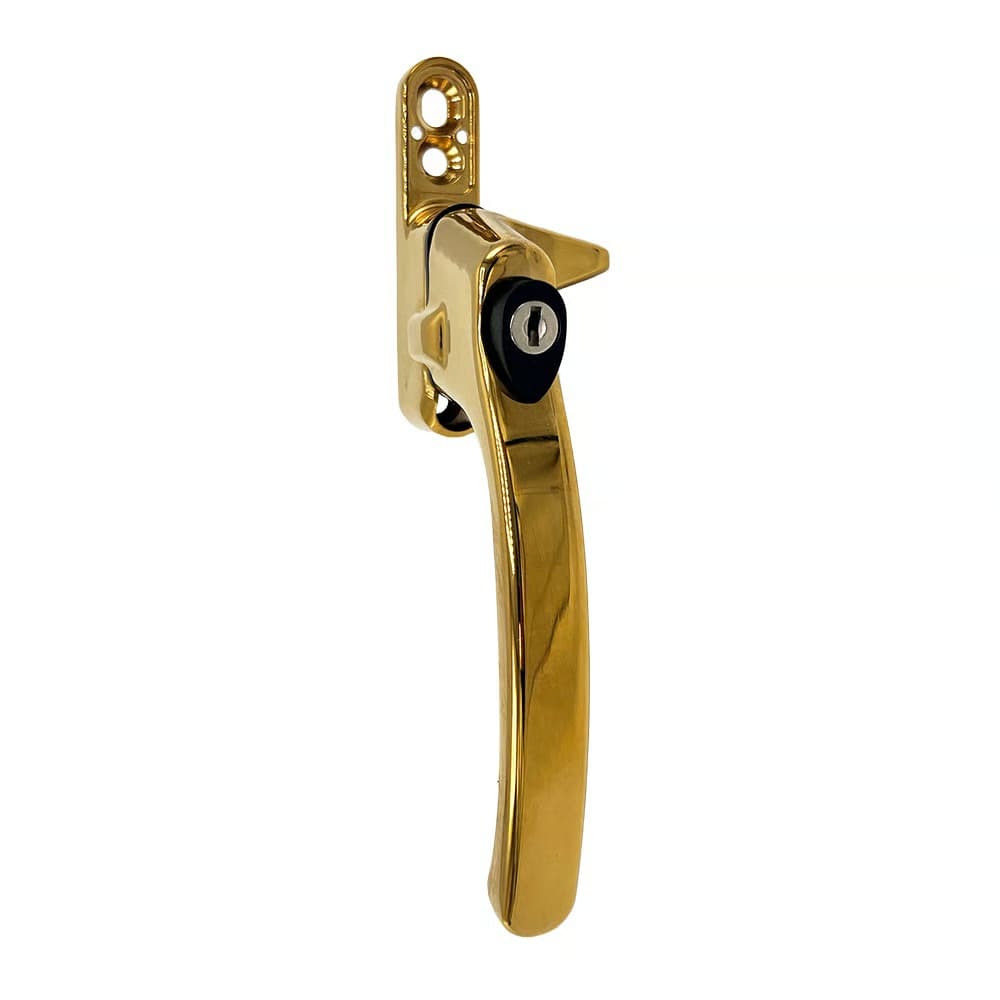
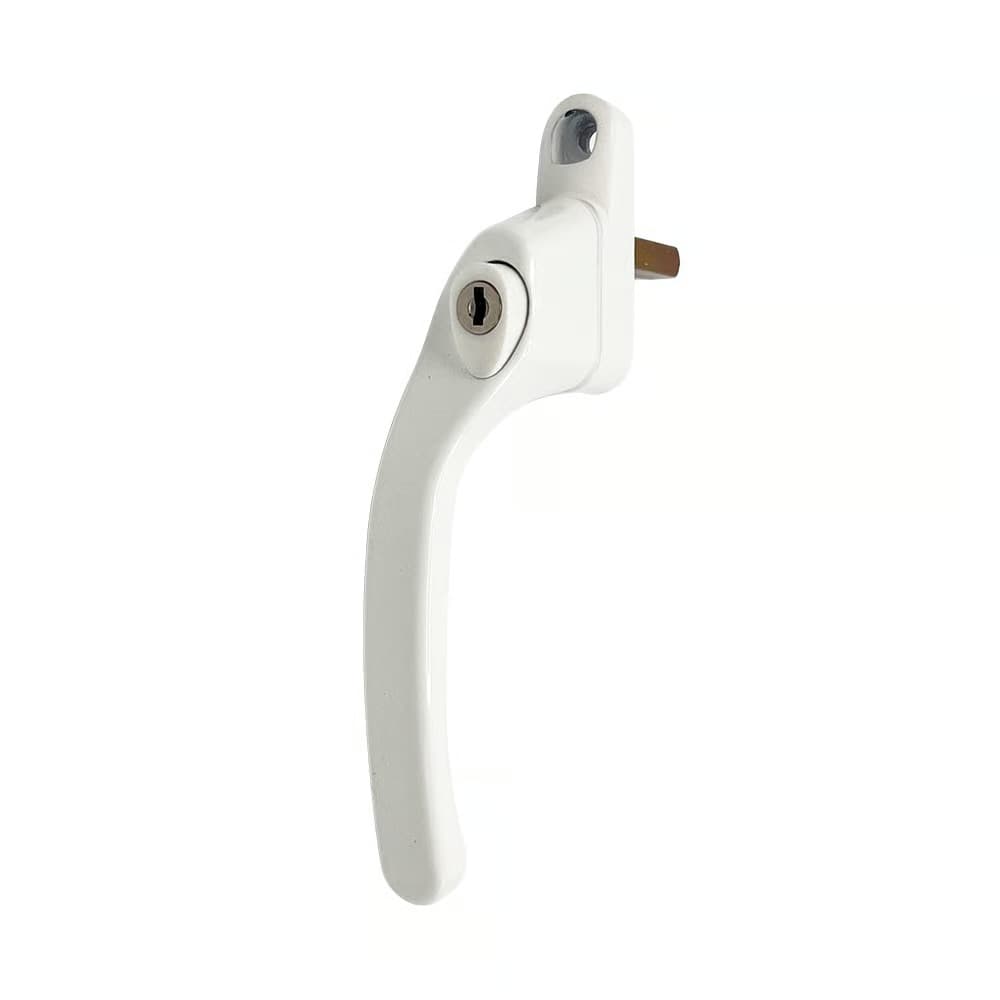
Handing describes which side of the window the handle is on when viewed from the room (the internal face). For most casement and top-hung uPVC windows, a right-handed handle sits on the right-hand side of the sash when viewed from inside; a left-handed handle sits on the left. This affects the direction the locking mechanism or cam engages and determines which internal spindle, follower or retaining plate is required.
Different handle types have slightly different handing considerations:
- Espag (espagnolette) handles operate a multi-point locking rod and are handed because the internal gearbox and cam are offset.
- Cockspur handles latch over a keep and are handed according to the orientation of the cockspur tongue.
- Lever/locking handles such as the Yale Sparta also come handed to match the internal gearbox and screw positions.
How to identify left vs right handed handles — practical steps
1. Stand inside the room facing the closed window. Handing is always determined from this internal viewpoint. 2. Note which side the handle is mounted on: - Handle on the right = right handed. - Handle on the left = left handed. 3. Observe the direction the handle moves to open: - For espag/locking handles, the handle typically rotates 90 degrees; note which way the spindle drives the gearbox. - For cockspur handles, look at the small metal tongue (cockspur) that hooks over the keep — the tongue will point towards the hinge side. 4. If the window is open and the sash position makes this unclear, close the sash and check again. 5. For tilt-and-turn windows, handing can be more complex because they have two operation modes; consult the window manufacturer or use the existing handle’s part code if present.
These straightforward checks avoid ordering the wrong item and eliminate downtime on site.
Measurements and specifications to check before ordering
When ordering replacements for upvc window handles, collecting accurate measurements prevents returns:
- Screw centres: Measure the distance between the two fixing screw holes. Common centres for espag and lever handles are 43 mm or 45 mm, but verifying avoids mistakes.
- Backset: Measure the distance from the centre of the follower or spindle hole to the edge of the handle rose. This helps match the handle to the gearbox position.
- Spindle/follower size: Determine the spindle thickness (commonly 7 mm or 8 mm) and whether the handle uses a square spindle, round spindle with flat, or a splined follower.
- Handing: Confirm left or right as above.
- Locking type: For keyed handles, note whether they lock with a central cylinder and which way the key turns.
Choosing the right type of handle
Select the handle type based on window locking system and security needs:
- Espag handles are used where the handle operates a multi-point espagnolette gearbox. For secure multi-point locks, a good option is the TSS Cockspur Window Handles. These offer robust gearbox engagement and a neat finish.
- Cockspur handles are simple, affordable replacements for older windows with surface-mounted cockspurs; the TSS Cockspur Window Handle suits many traditional uPVC casements.
- For keyed locking with a contemporary look and a reliable mechanism, consider the TSS Offset UPVC Window Handles.
Fitting and installation tips for tradespeople and competent DIYers
Follow these practical steps for a tidy installation: 1. Preparation: Have a screwdriver, correct replacement screws (typically pan head or countersunk depending on handle), a tape measure and cleaning cloth ready. Switch off any alarm sensors attached to the window before removing a locking handle. 2. Remove the old handle: Fully close the handle, remove visible screws and withdraw the handle gently. Keep any washers or collars to check compatibility. 3. Match the spindle: If the replacement has a different spindle style, change the follower on the gearbox or use an adaptor where available. Do not force a mismatched spindle into a gearbox. 4. Fix the new handle: Line up the screw holes and insert screws hand-tight first, then tighten evenly to avoid distortion of the uPVC. Over-tightening can crack the rose or deform the sash. 5. Test operation: Open and close the window several times, checking that the locking points engage smoothly without resistance. If the lock strops or jams, stop and reassess spindle alignment and screw tightness. 6. Security check: For keyed handles, ensure the cylinder engages cleanly and test the key operation from locked and unlocked positions.
Record the product code, handing and measurements in a job report so future replacements are straightforward.
Maintenance and troubleshooting
Regular maintenance prolongs the life of upvc window handles:
- Lubricate moving parts annually with a light oil or silicone spray; avoid heavy greases that attract dust.
- Tighten loose screws and replace worn screw covers.
- If the handle becomes stiff, inspect the gearbox and locking rod for dirt or bent components.
- For warped sashes or misaligned keeps, adjusting the striker keeps or hinges often restores smooth operation without replacing the handle.
Conclusion
Correctly identifying left versus right handing is a simple but vital step when replacing upvc window handles. Measure screw centres and spindle types, pick the appropriate handle type for the locking system, and follow careful installation and maintenance routines. Fitted and specified correctly, a replacement handle restores security and ease of use quickly and cost-effectively. For further information on styles, measurements and lock types, consult the comprehensive guide: Window Handles Guide