uPVC Window Handle Problems: Loose, Wobbly, or Not Locking
uPVC window handles are one of the most-used components in a home yet often overlooked until they become loose, wobbly, or stop locking. Proper diagnosis a...
uPVC window handles are one of the most-used components in a home yet often overlooked until they become loose, wobbly, or stop locking. Proper diagnosis and straightforward repairs can restore function quickly and safely, avoiding the expense of full replacements. This guide explains common causes, step-by-step fixes for typical issues, and when a full replacement is the most sensible option.
Common causes of loose, wobbly, or non-locking handles
- Wear and tear: Springs, screws and spindle mechanisms gradually degrade through repeated use.
- Stripped fixings: Repeated tightening or poorly aligned screws can strip threads in the handle or frame.
- Misaligned gearing or espagnolette gear: The internal gearbox may wear or the gearbox bolts may loosen, causing poor engagement.
- Corrosion and dirt: Rust, grime or accumulated lubricant can prevent smooth operation.
- Incorrect handle type or spindle length: A handle with the wrong spindle length or configuration won’t engage correctly.
Initial inspection and safety
1. Visually inspect the handle and surrounding frame for visible damage, paint build-up, or cracked plastic. 2. Check that the handle returns to its neutral position and that the spindle rotates freely by hand. 3. Confirm whether multiple handles on the same window show similar issues — this can indicate gearbox or multisite locking problems rather than a single handle fault. 4. For windows above ground level, ensure secure ladders or safe access before attempting repairs.
Tightening and straightforward fixes
Many issues are the result of loose fixings and are simple to remedy:
- Remove the handle cover plate: Clip-off or unscrew the decorative cover to access the screws.
- Tighten the mounting screws: Use the correct screwdriver to avoid stripping. Tighten incrementally to avoid over-stressing the screw holes.
- Replace stripped screws: Use a slightly larger wood screw, or insert a plastic wall plug sized to the hole for a firmer grip in soft frames.
- Check the spindle: If the handle slips on the spindle, measure the spindle length. Standard spindles are typically 7mm or 8mm square; replace with the correct dimension and length to ensure full engagement.
Lubrication and cleaning
Dirt and lack of lubrication can make handles feel stiff then suddenly slip. Perform routine maintenance:
- Clean the handle and visible gearbox with a mild detergent to remove grease and dirt.
- Apply a light machine oil or a silicone-based lubricant to moving parts; avoid heavy grease that attracts dust.
- Work the handle through its full range several times to distribute lubricant through the mechanism.
Addressing non-locking handles and gearbox issues
If the handle turns but the window does not lock, the issue may lie with the espagnolette gear (the rod or multi-point locking mechanism inside the frame):
- Inspect the gearbox and keepers for wear or misalignment. Tighten any loose gearbox screws.
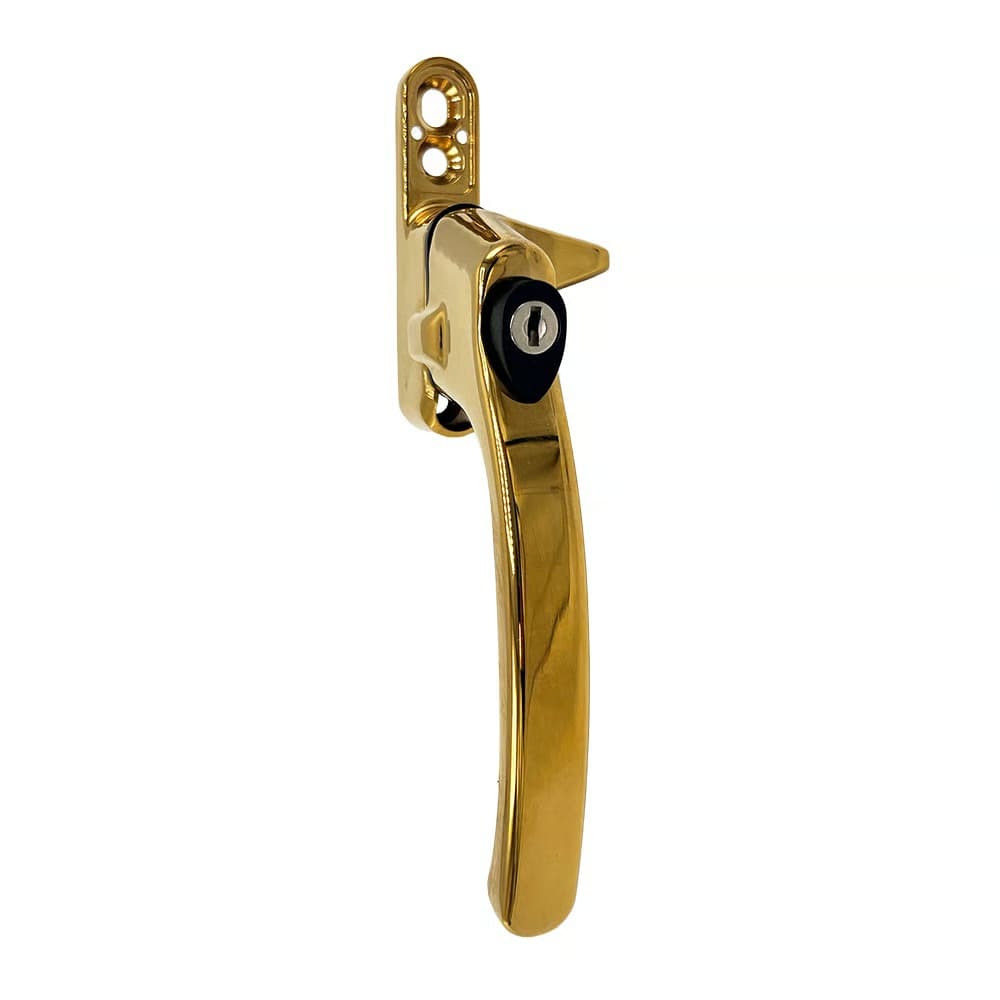
- If the gearbox arm slips on the drive spindle, replace the gearbox or fit a reinforced handle that better engages the mechanism. A high-security option for espag windows is the TSS Cockspur Window Handles, designed to improve engagement and resistance to forced entry.
- For multi-point locking windows, align the keepers and striker plates. Slight misalignment can be corrected by adjusting the keeps or the hinges to ensure the locking cams meet the keeps squarely.
Replacing a handle: practical steps
When replacement is necessary, follow these steps for a secure, long-lasting installation:
1. Note handle orientation and type (espag, cockspur, cremone, etc.) and measure spindle size and length. 2. Remove the old handle by unscrewing both mounting screws and gently withdrawing the handle. Keep any backplate covers aside. 3. Clean the surface and inspect the frame for damage that might require filler or reinforcement. 4. Fit the new handle, ensuring the spindle is fully engaged with the gearbox. Hand-tighten screws first, then secure to a firm torque without over-tightening. 5. Test operation several times and check the locking function. Adjust the keeper plate if necessary to eliminate binding.
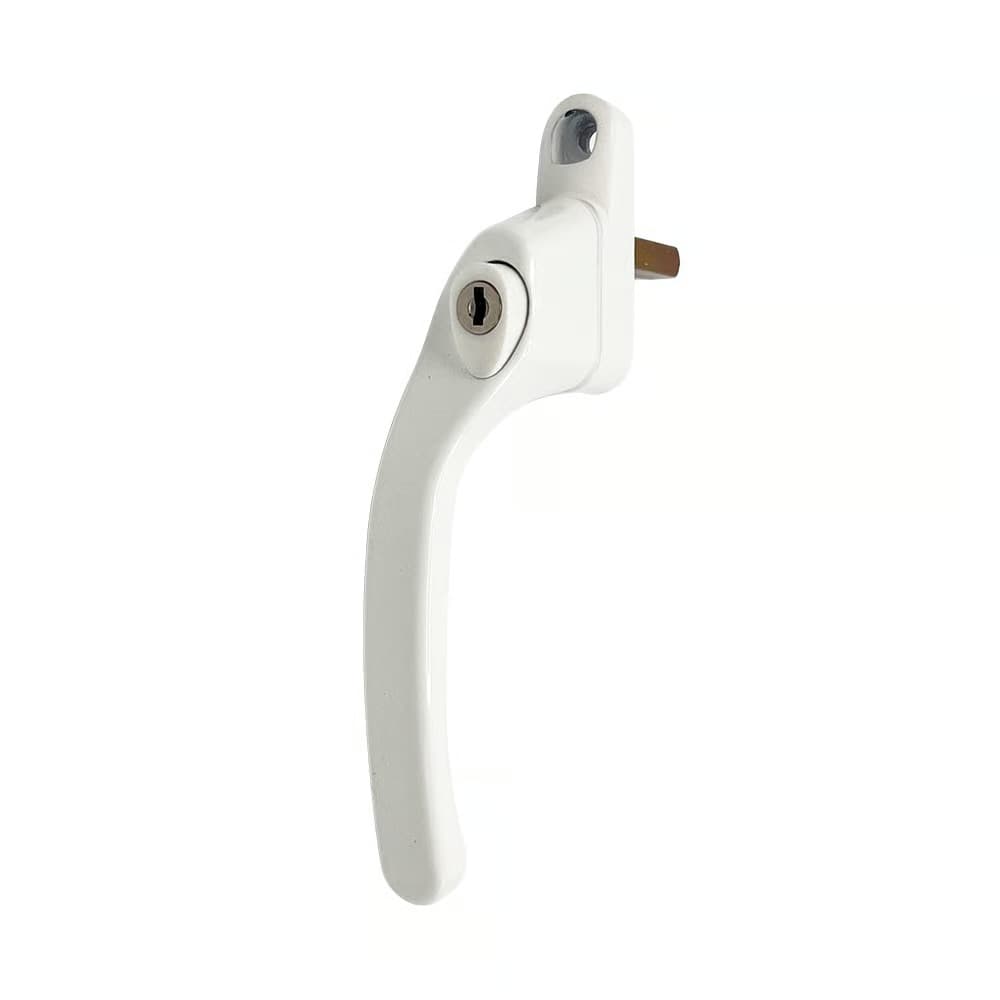
A reliable, stylish replacement option is the TSS Offset UPVC Window Handles, suitable for many standard UPVC window applications and easy to fit for tradespeople and competent DIYers alike.
When to replace the entire mechanism
Replace the entire espagnolette or locking rod when:
- Multiple locking points fail or show significant wear.
- The rod is bent, corroded or seized.
- The gearbox fails repeatedly after replacement parts have been fitted.
- Security is a concern and an upgrade to a modern multi-point locking system is desirable.
Preventative maintenance
- Inspect handles and fixings annually.
- Keep moving parts clean and lightly lubricated.
- Tighten loose screws as soon as they appear loose to prevent stripping.
- Use handles only for their intended purpose; avoid hanging items from them.