uPVC Window Handles in White: Finishes, Fixings, and Fit
uPVC window handles in white are a common but important component of modern windows. They must balance appearance, durability and compatibility with lockin...
uPVC window handles in white are a common but important component of modern windows. They must balance appearance, durability and compatibility with locking mechanisms while fitting a range of frame profiles and fixing methods. This article explains the typical finishes, fixing types and fitting considerations for homeowners and tradespeople, with practical advice to select and install the correct handle for everyday use and long-term performance.
Finishes and durability
White uPVC handles come in several finishes that affect appearance and resistance to wear:
- Painted white: Often used for cost-effective ranges. Good initial appearance but can chip over time where the handle contacts a frame or when screws are tightened.
- Coated white (powder-coated or electrostatically finished): More robust than simple paint, offering a tougher surface that resists abrasion and yellowing.
- White nylon or polymer: A moulded finish that will not flake or peel; common on budget handles and suitable for non-locking applications.
Fixing types: what to expect
uPVC handles attach to the window's espagnolette or direct to the frame using a small spindle and either a screw-through plate or a push-fit mechanism. Key fixing types include:
- Backplate (two-screw) fixings: The most common for casement windows. Two screws pass through the handle backplate into the frame. Ensure the screw centres match the handle and the frame’s pre-drilled holes.
- Centre screw (single-screw) fixings: Found on some handles where a single central screw secures the handle. Faster to fit but check torque settings to avoid crushing the handle base.
- Push-in or clip-on fittings: Often used on tilt-and-turn windows or where concealment of fixings is desired. These require a compatible gearbox and sometimes a retaining clip.
- Cockspur lever fixings: A bolt-on style where the handle drives a bolt (cockspur) against the frame. Common on older or simpler casement windows.
Locking mechanisms and handle compatibility
Different handles are designed for different locking systems:
- Espag handles: Fit to the espagnolette gearbox via a square spindle and secure the window to a multi-point locking strip.
- Cockspur handles: Operate a projected spur that hooks behind the frame. Less secure than espags but suitable for certain applications.
- Tilt-and-turn handles: Often require a mushroom-ended spindle or specific gearbox interface, and sometimes include a button for the tilt position.
Practical fitting advice
Preparation and correct fitting reduce call-backs and improve longevity:
- Remove and inspect the old handle: Check for wear on the spindle and thread damage in the frame. Re-tap or use a slightly longer screw if threads are stripped in the uPVC.
- Match screw centres accurately: Measure between fixing holes and confirm the backplate profile matches the replacement handle. Chargeable remedial work is often required when holes are misaligned.
- Choose the right spindle length: If the spindle is too long, the handle will sit proud; too short and it won’t engage the gearbox fully. Use a vernier caliper or tape to measure from face to gearbox centre.
- Use the correct screw type: Stainless steel or zinc-plated screws reduce corrosion. Avoid overtightening into uPVC as this can deform the frame and restrict operation.
- Seal around fixings where necessary: Small beads of neutral-cure silicone or suitable sealant prevent water ingress around screw heads on outward-opening casement windows.
Common problems and troubleshooting
Several recurring issues appear during handle replacement and use:
- Stiff operation: Often caused by a misaligned espagnolette or seized gearbox. Adjust striker plates and lubricate the gearbox with a light machine oil. Do not use grease that attracts dust.
- Handle looseness: Usually due to worn screw threads or under-sized screws. Replace with slightly longer screws or use thread repair inserts if the frame is damaged.
- Handle head failure: Repeated stress can crack the face of cheaper handles. Upgrade to a coated finish or a higher-grade moulded polymer to avoid breakage.
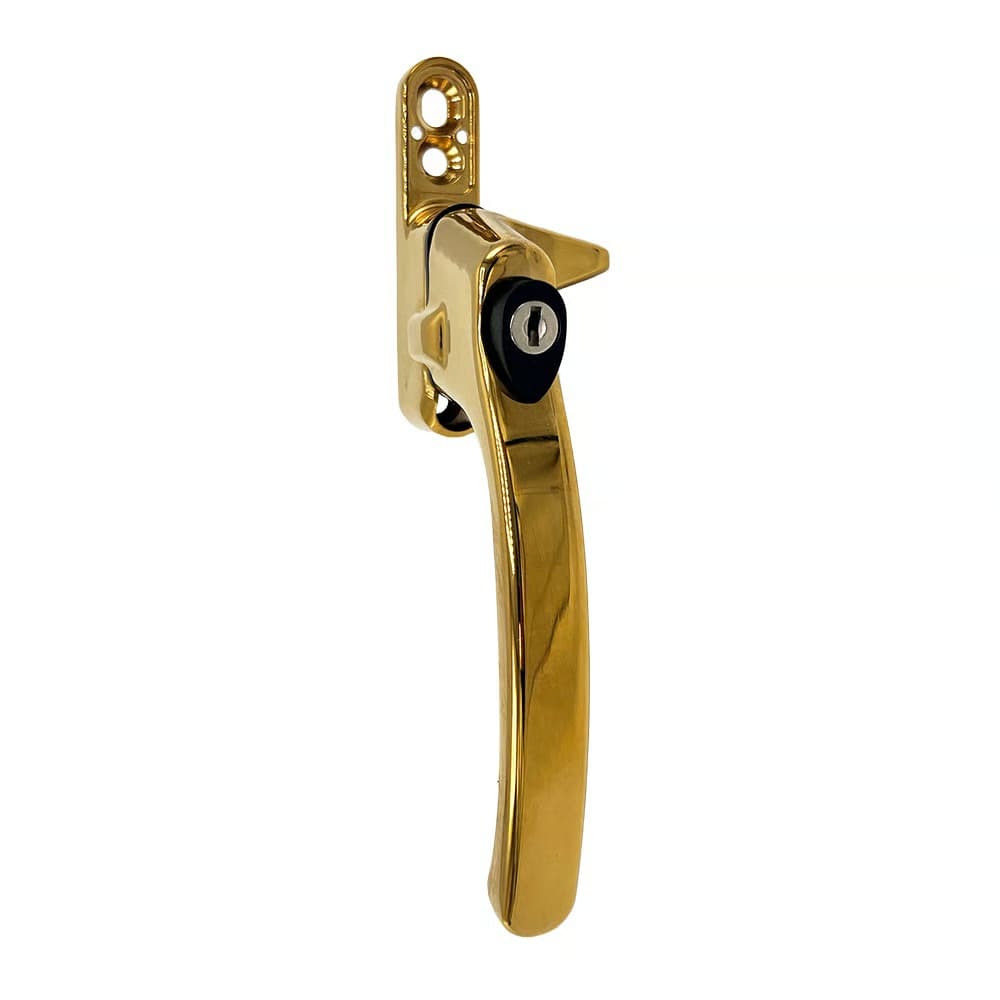
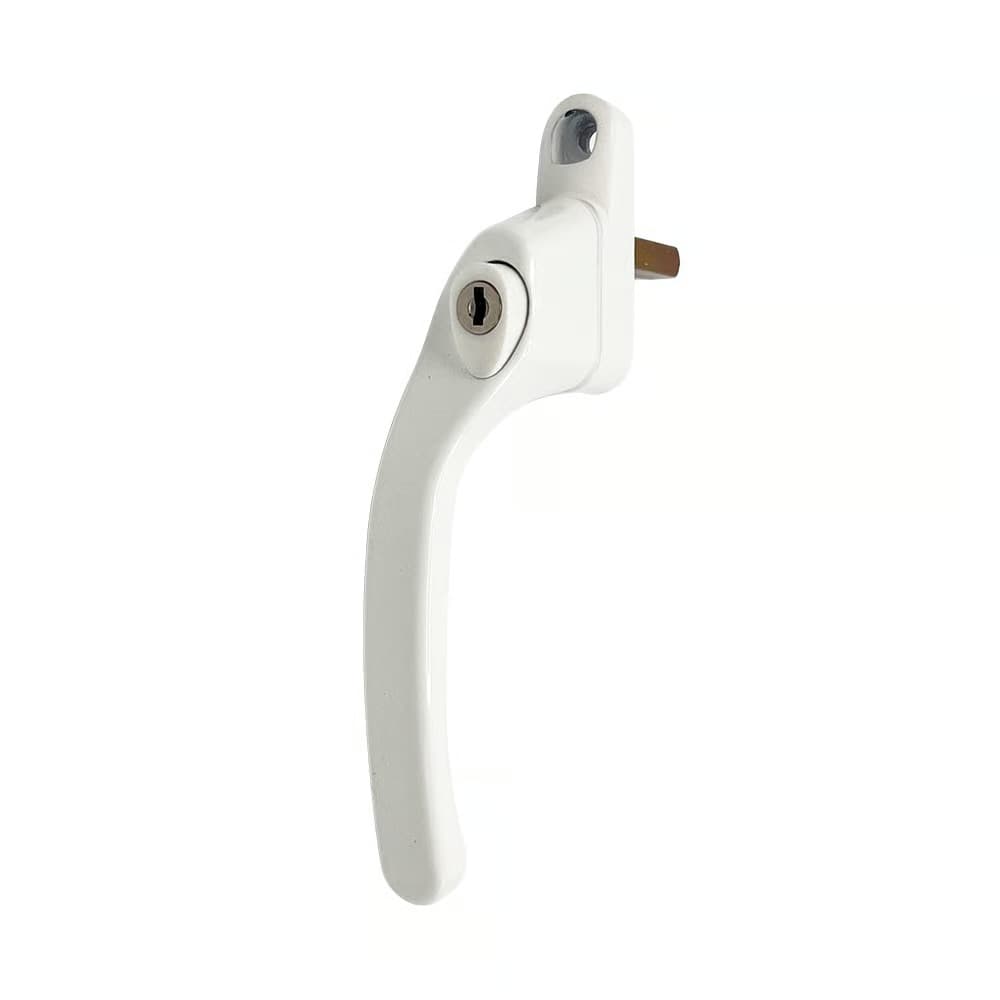
- Security concerns: Non-locking handles on ground-floor windows are a risk. Fit a handle with an integrated lock or upgrade to a lockable handle compatible with the existing spindle. The TSS Offset UPVC Window Handles is a recognised option combining robust manufacture and proven security features.
Choosing the right handle
Select a handle based on function, security and finish. For high-use, outward-opening windows in wet or coastal locations, prioritise corrosion-resistant internals and a durable finish. For heritage projects, choose a style that complements the period while ensuring compatibility with modern locking gear.
Proper measurement, careful selection of fixings and correct installation technique will ensure new white uPVC handles are both attractive and functional for years. Tradespeople benefit from carrying a small stock of the most common types and spindle sizes to complete repairs on the first visit; homeowners benefit from verifying measurements before ordering replacements.