uPVC Window Handles Replacement: Avoid These Buying Mistakes
Replacing uPVC window handles is a common maintenance task that can restore security, improve operation and refresh the appearance of windows without repla...
Replacing uPVC window handles is a common maintenance task that can restore security, improve operation and refresh the appearance of windows without replacing the whole unit. Whether for a single sticky handle or a full property upgrade, avoiding common buying mistakes ensures the replacement is straightforward and cost-effective. This guide outlines practical, actionable advice for homeowners and tradespeople undertaking upvc window handles replacement.
Identify the handle type before purchasing
Correctly identifying the handle type is the most important first step. Main categories include espagnolette (espag) handles for casement windows, cockspur handles for older timber-style frames, and multi-point locking handles used with modern systems.
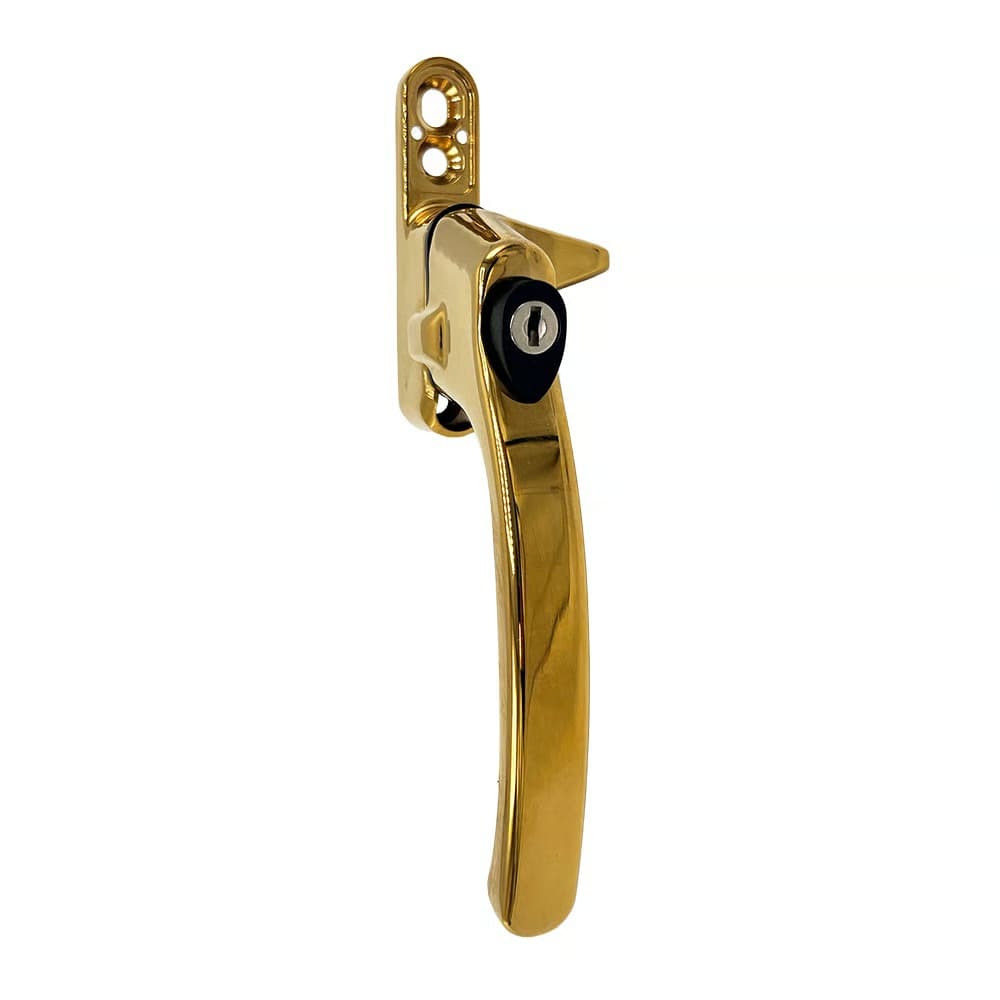
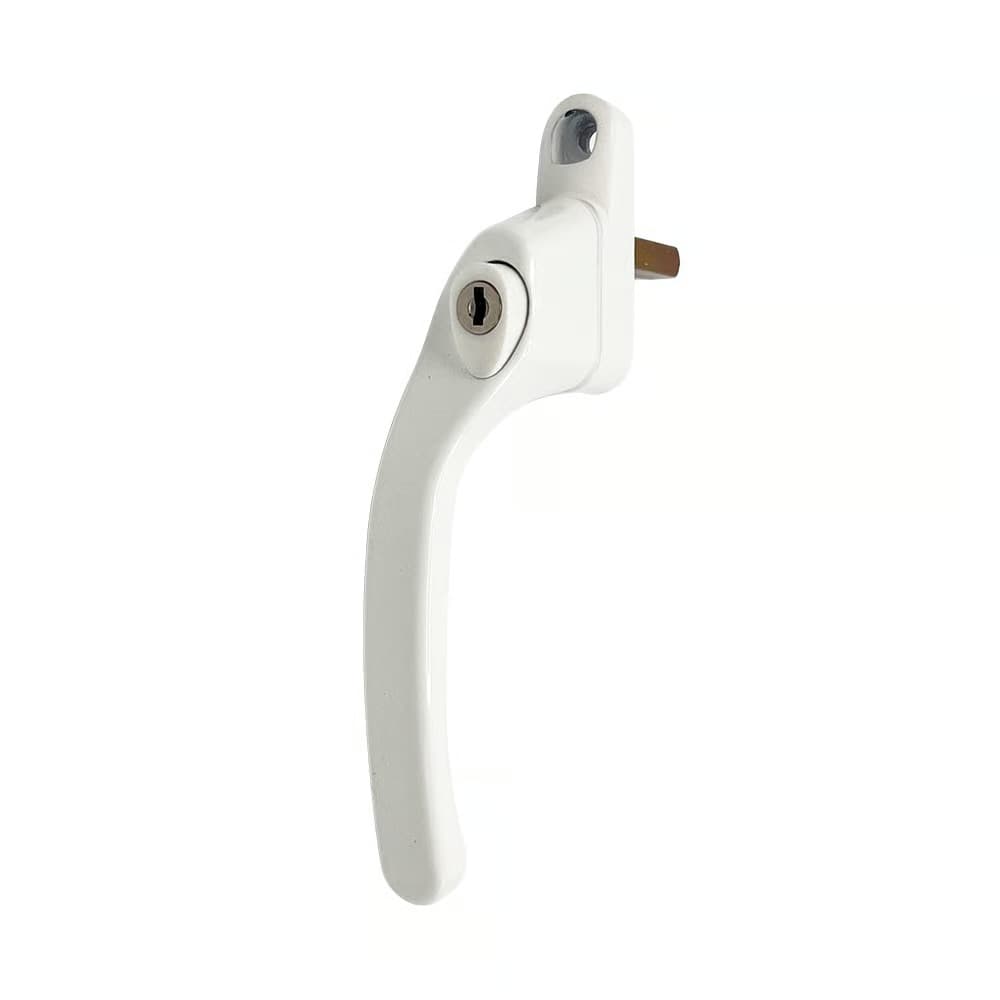
- Espag handles have a round or square spindle and operate an internal espagnolette locking mechanism. A popular option for most modern uPVC casements is the TSS Cockspur Window Handles.
- Cockspur handles sit on the face of the frame and hook over the casement to lock, commonly seen on secondary windows; consider a TSS Cockspur Window Handle where appropriate.
- Some handles are branded and tied to particular locking gearbox designs; the TSS Offset UPVC Window Handles suits specific profiles and locking systems.
Measure accurately: spindle length, fixing centres and backset
Accurate measurements avoid the biggest practical mistakes during upvc window handles replacement:
- Spindle length: Remove the old handle and measure the exposed spindle from the centre of the screw hole to the end, or measure the total rod length if present. Spindles commonly come in 7mm or 8mm square sizes; confirm diameter with callipers if unsure.
- Fixing centres: Measure the distance between the two handle fixing screws (centre-to-centre). Standard centres include 43mm and 78mm, but there are variations.
- Backset and plate size: For lever/lever or fixed plate handles, measure the plate height and the distance from the handle to the bottom fixing point. Check that replacement plates will not cover or reveal existing screw holes in the frame.
Consider handedness and orientation
Handing (left or right opening) and whether the handle is for an inward or outward-opening window matters. Some handles are reversible; others are handed and will not fit if installed on the wrong side. Determine the hinge side and which way the handle needs to point when locked and when in use. For critical jobs, test-fit a handle before final fixing.
Check locking features and key options
Security requirements vary. Simple friction or fixed handles provide convenience, but keyed options add theft resistance and are often required for lower-floor windows.
- Espag handles may come with a two-point locking return or a central locking position. Confirm the handle's locking positions match the existing gearbox.
- For tenants or communal properties, choose handles with recognised security features and compliance with relevant standards.
Material, finish and durability
uPVC frames are resilient, but handles are high-use components. Choose corrosion-resistant materials (zinc alloy, plated finishes) and finishes that match existing hardware. Consider the colour palette: white, foil-coated, satin chrome and gold-tone finishes are common. Tradespeople should advise clients about finish availability and lead times.
Compatibility with espag gearboxes and keep plates
An espag handle operates a gearbox with a long metal espagnolette strip with locking cams or hooks. When replacing handles, check that:
- The gearbox operates smoothly and that the strip is undamaged; a new handle will not fix a failed gearbox.
- The keep plates and striker plates align with the new locking cams. If the keep or sash has distorted over time, the strike alignment may require adjustment or replacement.
Consider ease of installation and tools required
Most handle replacements are simple, but correct tools and sequence prevent damage:
- Required tools: cross-head screwdriver, flat screwdriver, callipers, tape measure, and possibly an Allen key or small socket for grub screws.
- Sequence: remove the old handle, measure and order the correct replacement, test-fit without fully tightening, then secure and test operation through the full locking cycle.
- For keyed handles, align the locking barrel correctly before tightening screws.
Avoid cheap imitations and check warranties
Extremely cheap handles often have poor plating, weak fixings and inferior spindles that round off. Invest in recognised brands for durability and security. Confirm warranty terms and whether the supplier offers returns for mis-ordered items.
Keep spares and document fittings
For property managers and tradespeople, standardising on a handle style across a property allows bulk purchasing and easier maintenance. Keep a small stock of common spares: spindles, fixings and a handful of popular handles. Record model, finish and ordering code for each window in a maintenance log to speed future replacements.
Practical checklist before ordering
- Identify handle type (espag, cockspur, multi-point).
- Photograph and measure spindle length, diameter and fixing centres.
- Check handing, locking type and keyed requirements.
- Inspect gearbox and espagnolette strip for wear.
- Choose a durable finish and confirm warranty.
- Order correct handle and any required gearbox/keeps together.
Final considerations
A professional, measured approach to upvc window handles replacement saves time, improves security and avoids unnecessary costs. Where uncertain, tradespeople should inspect the existing locking mechanism before ordering and carry common replacements to site. Homeowners benefit from matching handles for aesthetic uniformity and selecting branded options for longevity and warranty support.