uPVC Window Handles Replacement: FAQs
Replacing worn or damaged handles is one of the quickest ways to restore function and appearance to uPVC windows. This guide answers the most common concer...
Replacing worn or damaged handles is one of the quickest ways to restore function and appearance to uPVC windows. This guide answers the most common concerns about upvc window handles replacement, helping homeowners and tradespeople choose compatible parts, perform straightforward swaps and avoid common pitfalls. Practical, step-by-step advice covers preparation, measurement, fitting and maintenance.
Types of uPVC window handles and how to identify them
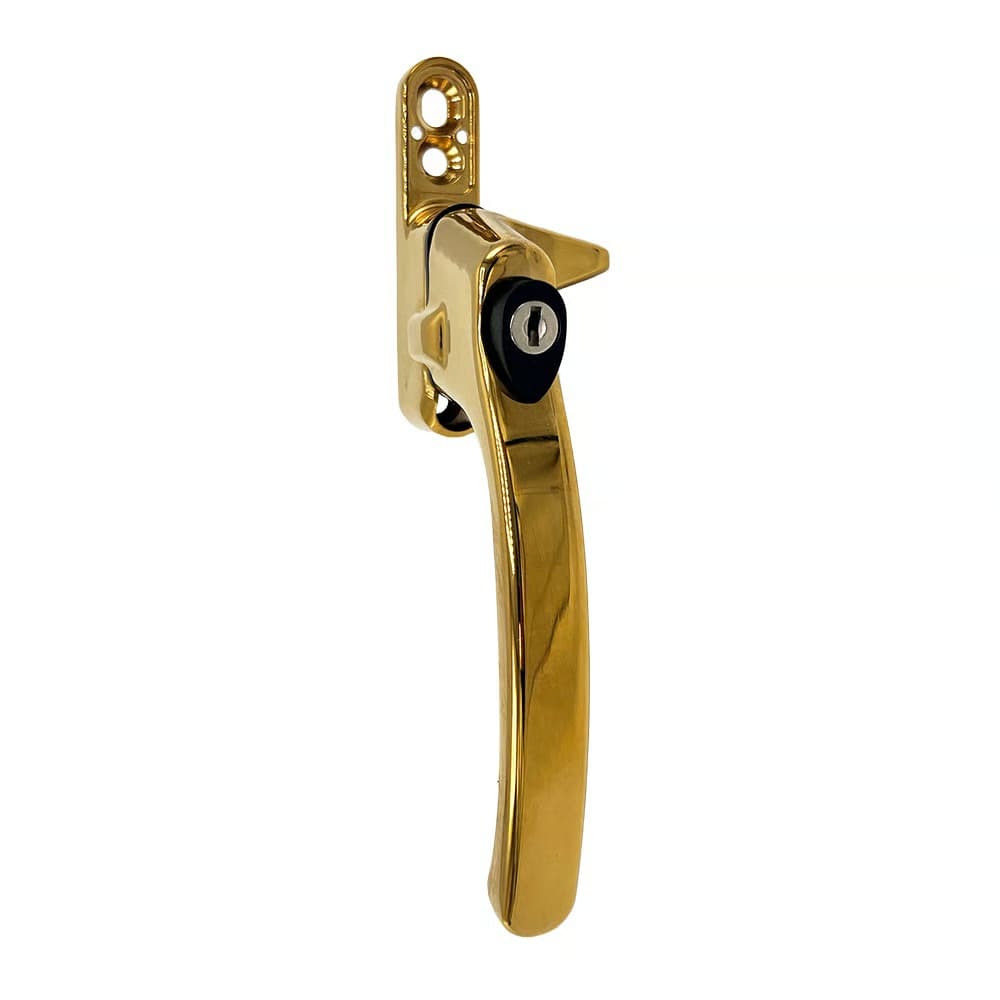
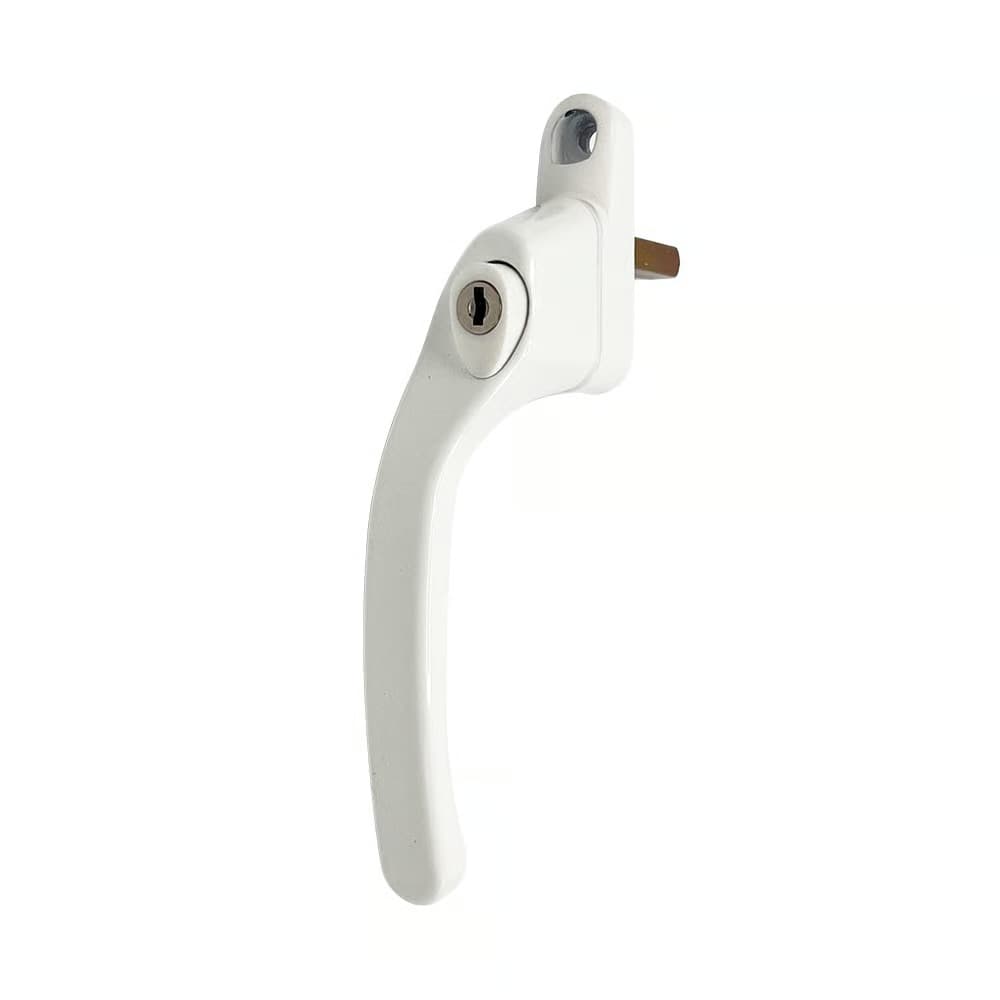
Understanding the handle type prevents costly mistakes. The most common types are espag (espagnolette) handles, cockspur handles and tilt-and-turn style handles.- Espag handles operate a locking rod and are common on modern uPVC windows. For a reliable espag option consider the TSS Cockspur Window Handles.
- Cockspur handles latch over the frame and are often found on older installations; a durable choice is the TSS Cockspur Window Handle.
- Lever handles for tilt-and-turn and other systems are frequently supplied by major manufacturers — a widely used model is the TSS Offset UPVC Window Handles.
Measuring and ordering the correct replacement
Accurate measurement is crucial for a successful upvc window handles replacement. Key dimensions and details to record are:- Fixing hole centres (distance between screw centres on the handle rose) — common sizes are 43 mm and 45 mm.
- Spindle length and thickness for lever handles (measure from the face of the handle to the inside of the rose).
- Backset and lock cam position where applicable.
- Whether the handle is left- or right-handed (which way it locks/opens).
Step-by-step replacement procedure
This procedure covers a typical espag or lever handle swap; cockspur removal is similar but with different fixings.1. Gather tools: Pozidriv screwdrivers (sizes 1 and 2), 5 mm hex key (for some handle sets), tape measure, thin flat chisel or putty knife, and light machine oil or silicone spray. 2. Open the window to access both fixings easily and ensure the mechanism is in the unlocked position. 3. Remove the handle screws and carefully prise off the old handle rose or backplate with a thin flat tool if paint or grime is holding it. 4. Pull the handle off the spindle. For espag handles, retract the espagnolette rod if visible or support the mechanism while removing to avoid bending. 5. Compare spindle length and rose centres between old and new handles. Trim or replace the spindle if necessary (cutting should be a last resort and only to the square section). 6. Slide the new handle onto the spindle, ensuring the orientation matches the lock operation. Hand-tighten screws first then fully tighten, taking care not to over-torque plastic roses. 7. Test the operation through several cycles: lock, unlock, open and close. Check for smooth motion and that the locking points engage fully.
Common problems and how to fix them
- Stiff or sticky handle: Clean visible dirt, apply silicone spray to the mechanism pivots and operate repeatedly. Avoid heavy oils that attract dirt.
- Handle wobbles or is loose: Tighten the rose screws. If the thread is stripped in the frame, use a slightly longer screw into denser substrate or install a frame repair insert.
- Spindle turned but lock does not engage: The spindle may be sheared or the espagnolette rod detached. Remove the handle and visually inspect the rod; reattach or replace the espag mechanism if damaged.
- Broken or snapped handle: Replace immediately; continued use can damage the window mechanism.
Security considerations
Choose handles with built-in locking where possible, particularly for ground-floor windows. Handles with a key or push-button lock offer basic resistance to casual intrusion. For enhanced security, ensure the replacement handle is compatible with the existing espag locking rod or upgrade to a multi-point espag system if required.Finishing touches and maintenance
- Seal any gaps left after removing the old handle with neutral-cure silicone to keep draughts and moisture out.
- Lubricate the mechanism annually with a silicone spray; avoid graphite powder on plastic parts.
- Check screws and operation twice a year and after extreme weather or building works.
- Keep spare screws and the original handle template (if available) for future use.
When to call a professional
Complex failures — such as bent espag rods, damaged gearbox mechanisms, or issues involving welded or reinforced frames — should be referred to an experienced window engineer. Professional intervention avoids further damage and ensures locking mechanisms remain compliant with insurance and safety requirements.upvc window handles replacement can be a straightforward DIY job when the correct parts and measurements are used, but careful inspection and correct fitting are essential for smooth operation and security. Repair or replace at the first sign of failure to prevent more costly window damage.