uPVC Window Handles Replacement: How to Tighten a Loose Handle
A loose uPVC window handle is a common but easily resolvable issue for homeowners and tradespeople. Regular use, shifting frames and worn fasteners are typ...
A loose uPVC window handle is a common but easily resolvable issue for homeowners and tradespeople. Regular use, shifting frames and worn fasteners are typical causes, and addressing the problem promptly prevents further wear and potential security concerns. This guide explains how to tighten a loose handle, when to choose upvc window handles replacement, and which components to inspect or replace for a long-lasting fix.
Tools and materials needed
- Phillips and flat-head screwdrivers (appropriate sizes for handle screws)
- Allen key set (some handles use hex screws)
- Replacement screws (usually 3 mm x 25–30 mm)
- Threadlocker (medium strength) or a small washer for thin frames
- Cleaning cloth and mild detergent
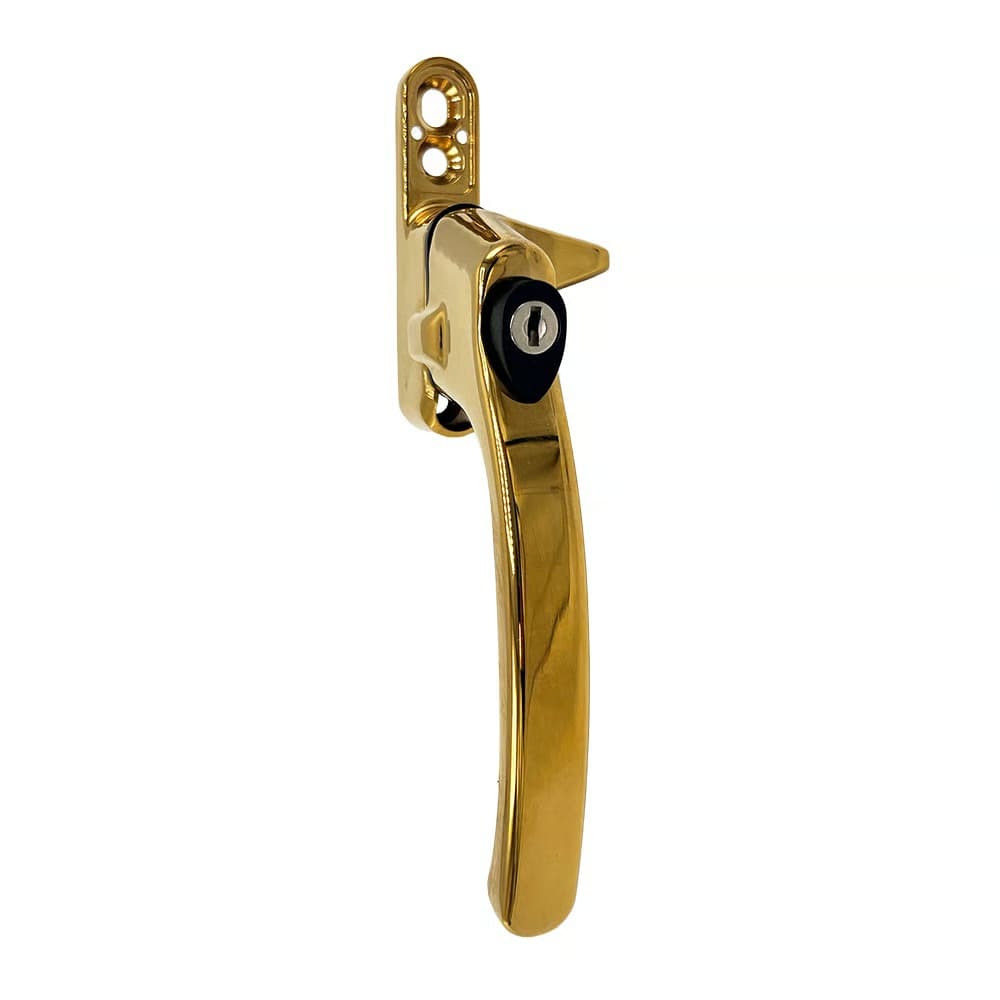
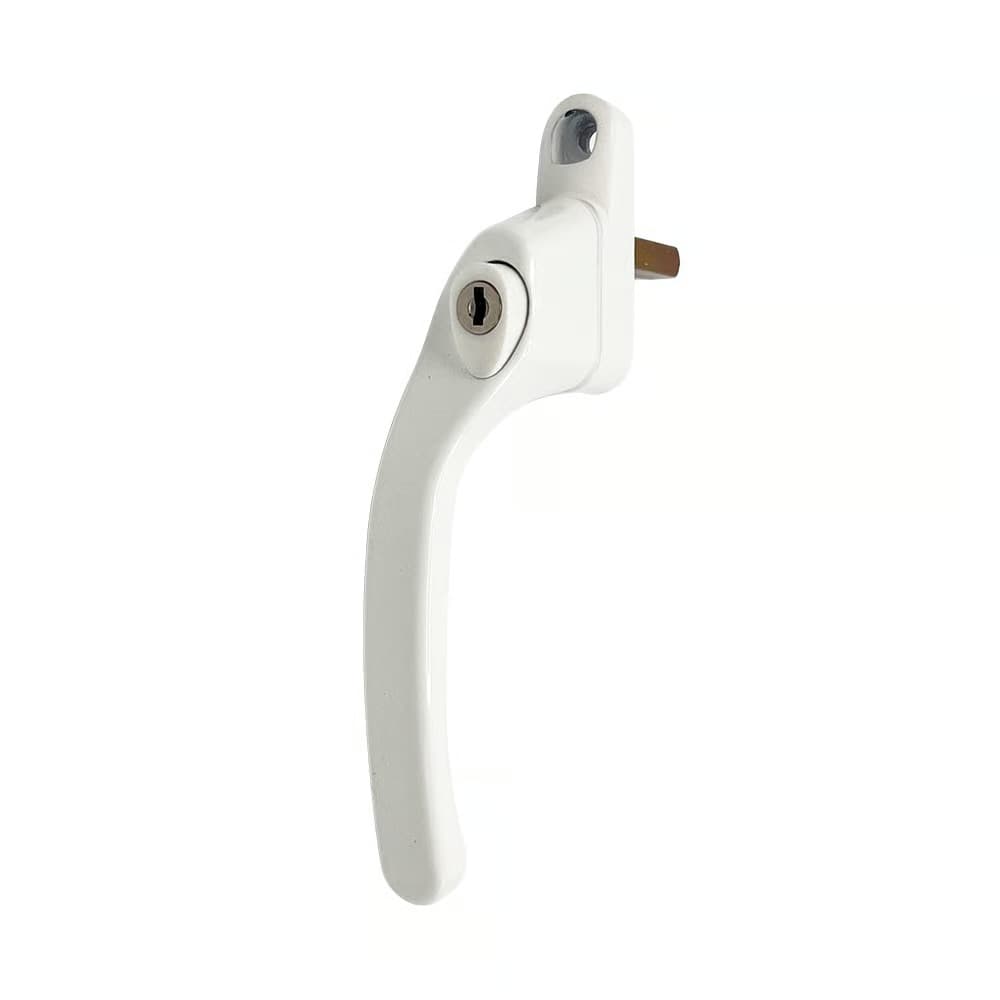
- Replacement handles for full renewal when required, for example TSS Cockspur Window Handles, TSS Offset UPVC Window Handles and TSS Cockspur Window Handle
- Optional: packers or shims for adjustment, masking tape to protect paintwork
Safety and preparation
Ensure the window is closed and, where applicable, the handle is in the neutral or fully locked position to expose the fixing screws. For outward-opening windows, prop the sash securely to prevent it moving while work is carried out. Wear eye protection when removing old fixings and discard corroded screws safely.Identify the handle type and fixing method
uPVC handles typically fall into a few categories: espagnolette (espag) handles, cockspur handles and cranked varieties. Fixings may be visible on the faceplate, concealed beneath a snap-on cover, or accessed by loosening two central screws. Tradespeople will recognise that espag handles often sit on a spindle engaging the espagnolette locking mechanism, whereas cockspur handles clamp onto the frame with screws through the handle base.Before removing anything, note the handle orientation and the position of any covers. Photographing the setup can aid reassembly. Label any non-standard fixings to ensure correct replacement.
Step-by-step: tightening a loose handle
1. Clean and inspect: Wipe the handle and surrounding frame to remove dirt and grime. Corrosion or stripped screw heads will be evident at this stage. 2. Access the fixing screws: Remove the handle cover or compress the cover plinth as appropriate to expose the screws. Use the correct screwdriver to avoid stripping heads. 3. Tighten the screws: Apply firm, even pressure and tighten each screw in turn. Avoid over-tightening, which can deform plastic or strip the thread in soft frames. Use moderate torque and assess the handle’s movement after each turn. 4. Check spindle fitment: If the handle still feels loose, withdraw it gently to inspect the square spindle. A worn spindle or an enlarged square hole in the handle is a common cause of play. If the spindle is worn, replacing the handle is usually the best course. 5. Use threadlocker or washers: For frames where the screw hole is slightly oversized, a thin washer can improve grip. Alternatively, a medium-strength threadlocker on the screw threads helps prevent loosening through vibration. Avoid high-strength threadlocker where future removal is likely. 6. Reassemble and test: Refit the handle cover and operate the handle through several cycles, checking that it engages smoothly and that the locking mechanism runs correctly. Confirm the window locks fully and that there is no undue resistance.Addressing specific problems
- Stripped screw holes in uPVC: If the screw spins without tightening, extract the screw and insert a slightly larger screw or use a plastic wall anchor sized for the frame. For weakened holes caused by rot or previous repairs, a specialist repair using a filler designed for uPVC is preferable.
- Worn spindle or handle boss: Replace the handle if the spindle or internal boss is damaged. Replacing with a compatible item ensures correct engagement with the espagnolette or locking points. Consider a higher-security option when replacing, such as an espag handle with anti-snap features for enhanced security.
- Loose escutcheon or rosette: If the decorative rosette has movement, remove it and check for hidden screws or clips. A dab of silicone sealant behind the plate can prevent further rattling without obstructing fixings.
When to opt for upvc window handles replacement
Tightening fixes many issues, but replacement is recommended when:- Fixings or spindles are visibly worn or damaged
- The handle repeatedly loosens despite correct repair
- Corrosion or broken internal components compromise operation
- An upgrade is required for improved security or better ergonomics
Best practice maintenance
Routine inspections twice a year lengthen the life of handles and locking mechanisms. Tighten any loosening fixings, lubricate moving parts lightly with a dry PTFE spray or light oil (avoid heavy greases that attract dirt) and make note of any unusual noise or play in the handle. Proper maintenance prevents sudden failures and reduces the need for full upvc window handles replacement.Choosing replacement handles
When selecting a replacement, prioritise compatibility and security credentials. Handles with built-in locking options or multi-point engagement can enhance security and longevity. Trade-grade fittings often offer superior corrosion resistance and sturdier fixings for frequent-use windows.Replace the handle with a matching style and finish to maintain appearance and ensure the correct operation of the espagnolette or locking mechanism. Where a different style is required, check the mechanical compatibility and adjust the frame fixings accordingly.