uPVC Window Handles Replacement: Left-Hand and Right-Hand Explained
Replacing a UPVC window handle is a straightforward way to improve security and restore smooth operation to a stuck or damaged window. Proper identificatio...
Replacing a UPVC window handle is a straightforward way to improve security and restore smooth operation to a stuck or damaged window. Proper identification of left-hand and right-hand handles, correct measurements and choice of compatible hardware are essential to ensure a successful upvc window handles replacement, whether the task is undertaken by a homeowner or a tradesperson.
Understanding window handing: left-hand vs right-hand
Window handing refers to the side of the window that the handle operates from. For casement and tilt-and-turn styles, handing determines the direction the handle points when closed and which side the hinges are on. A right-hand handle generally sits on the right edge of the sash when viewed from the inside and operates to open towards the left; a left-hand handle is the opposite. Rhetorically, consider which side the sash swings towards when the handle is turned.
Many modern handles are non-handed and will fit either side, but espagnolette and cockspur mechanisms often require the correct handed part for proper operation and finish. Confirm the type before ordering replacement hardware to avoid delays on site.
Identifying the correct handle type
Common UPVC handle types:
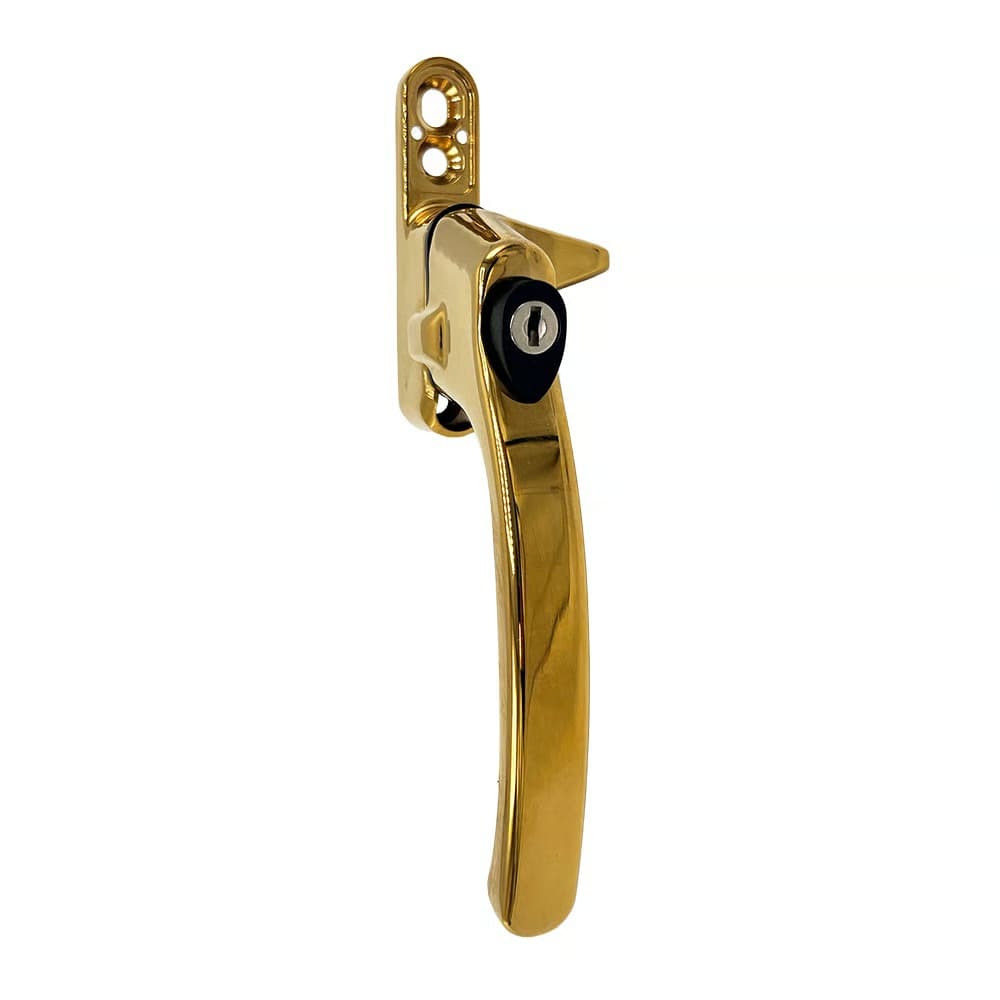
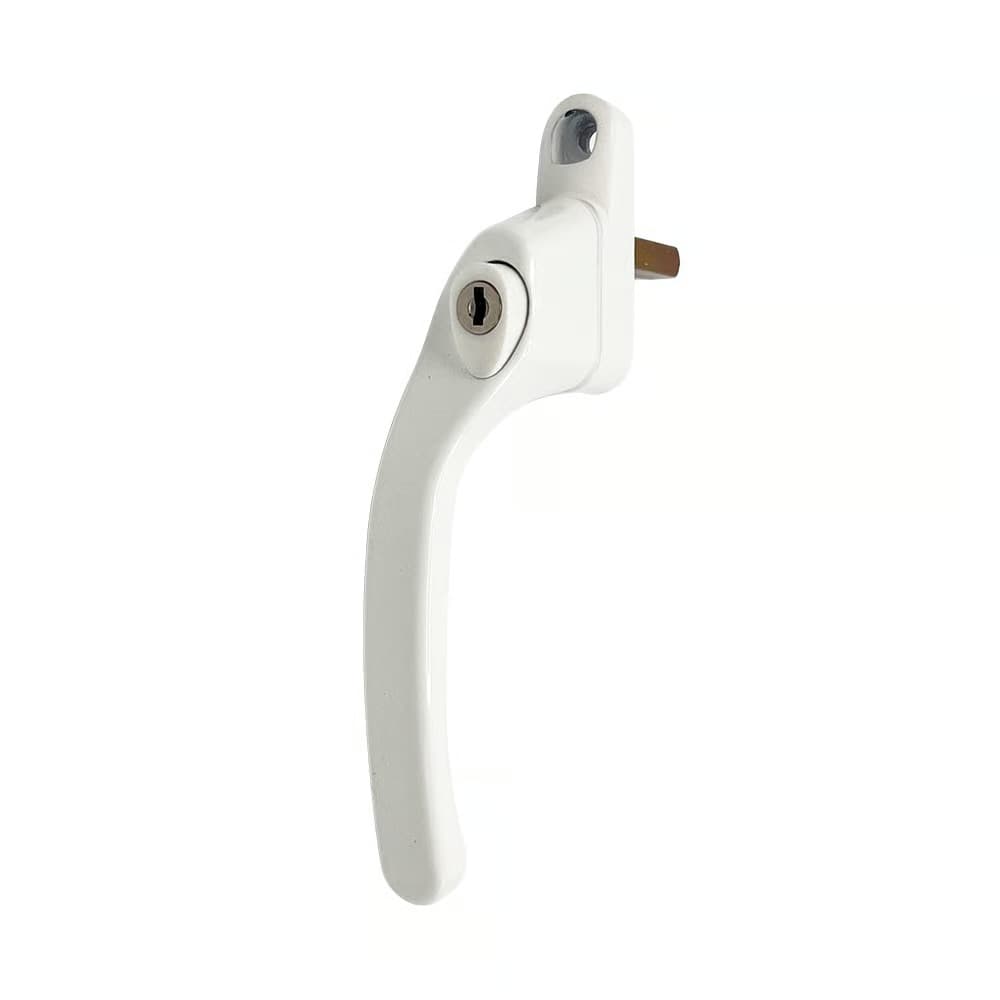
- Espag/espagnolette handles operate a locking rod within the frame and are used on many contemporary casement windows. A reliable option is the TSS Cockspur Window Handles.
- Cockspur handles are surface-mounted and clamp the window shut; they are often found on older frames and are simpler to replace, such as the TSS Cockspur Window Handle.
- Multipoint handles like the TSS Offset UPVC Window Handles combine security and ergonomics and suit windows with integrated locking mechanisms.
Tools and materials required
A tradesperson or competent DIY installer will need:
- Cross-head and flat-head screwdrivers
- Torx drivers for some contemporary handles
- Tape measure and ruler
- Pencil or marker
- Replacement handle and matching spindle/bolt kit where required
- Cleaning cloth and light lubricant (silicone-based)
Measuring for a correct replacement
Accurate measurements are crucial:
- Fixing hole centres: measure the distance between the centres of the two fixing screws on the handle base (commonly 43mm or 92mm for espag handles).
- Spindle length and size: remove the old handle to measure the spindle length protruding through the sash and note the spindle shape (square 7mm or 8mm are common).
- Handle projection: measure from the centre of the spindle to the outer edge of the handle to ensure clearance when opening near reveals or blinds.
Determining left-hand or right-hand handing
A practical, repeatable method: 1. Close the window fully and observe which side the hinges are on when viewed from inside. Hinges on the left usually indicate a left-hand sash. 2. Note the resting position of the handle when the window is locked. A handle that points towards the hinge side commonly indicates that handing. 3. If the handle is on the left side of the sash and the window opens to the right, this would be classed as left-hand.
Where uncertainty persists, photograph the existing handle and mechanism. Most suppliers can confirm handing from a clear image, avoiding incorrect orders.
Step-by-step replacement process
1. Secure the sash: ensure the window is closed and the sash supported to prevent accidental movement. 2. Remove tri-head or tamper-proof screws if present, using the correct driver to avoid damage. 3. Unscrew the handle fixing screws and slide the handle off the spindle. Retain screws for re-use if undamaged. 4. Compare the old handle with the replacement’s spindle shape and fixing hole centres. Swap the spindle if the new handle does not include one. 5. Fit the new handle onto the spindle ensuring correct orientation for handing. Tighten the fixing screws evenly to avoid distortion. 6. Test the operation through the full range: locked, unlocked and opening positions. Confirm the handle engages the locking mechanism smoothly. 7. Apply a small amount of silicone lubricant to moving parts for long-term performance and wipe away excess.
For cockspur fittings, ensure the mating keep on the frame aligns correctly. Adjust the keep position if the latch contacts incorrectly.
Common issues and how to avoid them
- Incorrect spindle length: measure accurately and carry spare spindles when attending multiple jobs.
- Mismatched fixing centres: check the handle base hole centres against the sash before purchase.
- Handing mistakes: use the hinge-side method and photograph the mechanism if unsure.
- Over-tightening screws: apply firm but not excessive torque to prevent cracking UPVC surrounds.
Security and compliance considerations
Replacement handles should meet current security standards. Choose handles with key-locking or reinforced drives where needed for ground-floor windows or vulnerable openings. Tradespeople should confirm that replacements do not void any window warranty or compromise factory-fitted multipoint locks.
When to replace the whole mechanism
Visible wear on the espagnolette gearbox, difficulty moving the handle despite a new lever, or corrosion suggest the internal locking mechanism may need replacement rather than just the handle. In those cases, undertake a full assessment and consider replacing the locking strip or consulting a specialist.
Final practical tips
Keep a small kit of commonly used spindles, fixing screws and a universal non-handed handle on the van to quickly complete standard upvc window handles replacement jobs. For homeowners, photograph the window and existing hardware before ordering to ensure an exact match. Tradespeople will benefit from carrying common handed stock and checking compatibility at first glance to save installation time.
For broader information on styles, security ratings and installation advice, refer to the comprehensive Window Handles Guide.