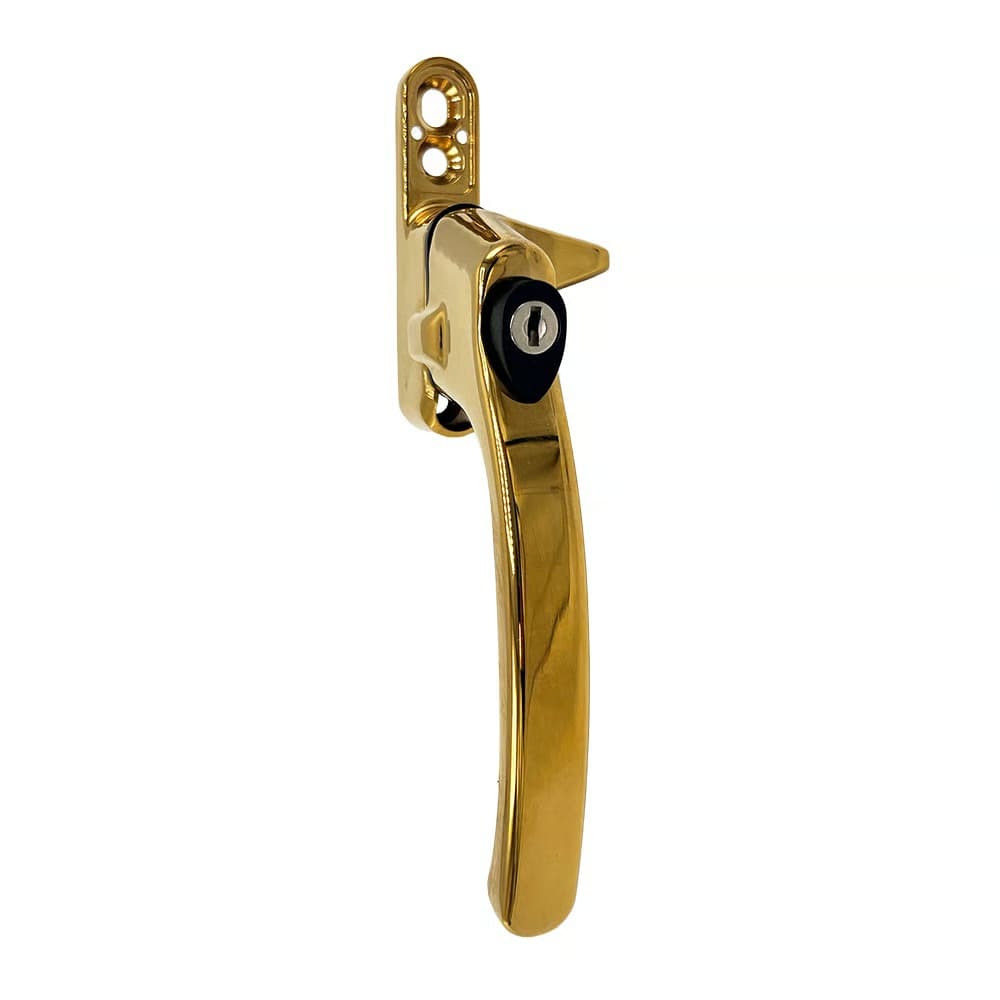
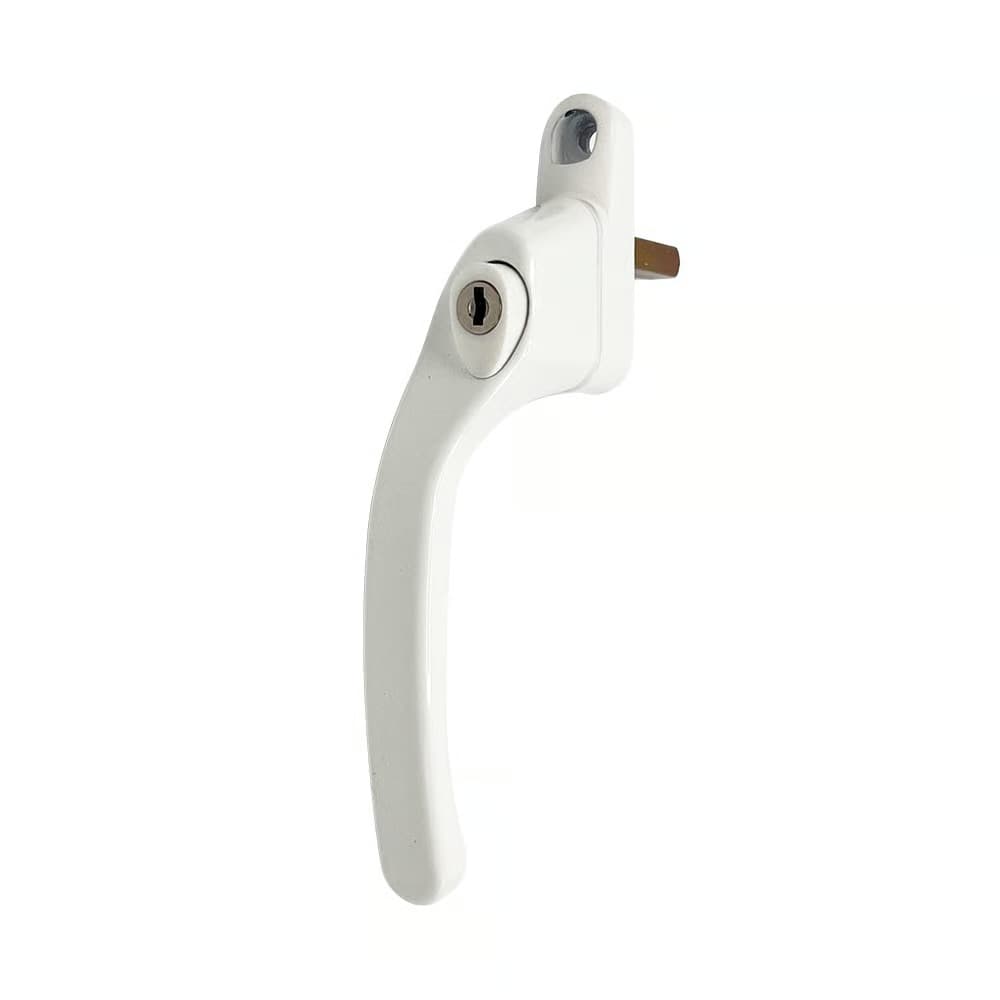
Window Handles
uPVC Window Handles Replacement: Step-by-Step DIY Instructions
Replacing worn or broken uPVC window handles is a straightforward task for homeowners and tradespeople when approached methodically. This guide provides st...
Window Hardware Store Team
26 February 2026
5 min read
Replacing worn or broken uPVC window handles is a straightforward task for homeowners and tradespeople when approached methodically. This guide provides step-by-step instructions, practical tips and safety considerations to complete a successful upvc window handles replacement, covering common handle types and ensuring a secure, long-lasting fit.
Tools and materials needed
- Screwdrivers: pozidriv and flat-head
- Allen keys (2.5–4 mm) for mushroom head or grub screws
- Tape measure and pencil
- Masking tape or protective cloth to prevent damage to frames
- Replacement handle matched to existing spindle and fixing centres
- Replacement fixing screws (stainless steel recommended)
- Silicone lubricant or light machine oil
- Small torch or headlamp for visibility
Safety and preparatory checks
Ensure the window is closed and the locking mechanism is disengaged before beginning work. Support any sash that might shift when the handle is removed. Use protective cloths on adjacent surfaces to prevent scratches. Verify the existing handle type and measure the distance between fixings (fixing centres) and spindle size; many manufacturers list these dimensions in product descriptions and on packaging.Identifying the handle type
Common uPVC handles fall into three categories:- Espag (espagnolette) handles: connected to a metal rod or gearbox within the frame.
- Cockspur handles: hook over the frame for a simple latch action.
- Cranked or monkey tail handles: provide additional clearance or decorative styling.
Step 1 — Remove the old handle
1. Locate and remove visible screws on the handle rose using the correct screwdriver. Some handles conceal screws under a plastic cap; carefully lever this cap away with a flat-head screwdriver. 2. If fixing screws are hidden beneath the handle, open the handle to the 90-degree position to reveal the entry point for an Allen key or grub screw. 3. Withdraw the handle from the spindle. For espag handles, the spindle may be square and slide out; for cockspur handles, the handle will detach from the rotating spindle or shaft. 4. Inspect the spindle and surrounding mechanism for damage, corrosion or accumulated dirt. Clean the area and apply a small amount of lubricant if parts move stiffly.Step 2 — Measure and match parts
Accurate measurements prevent return trips. Measure:- Spindle size: square cross-section typically 7 mm or 8 mm.
- Spindle length from finish of handle to base (if replacing with same style).
- Fixing centres: distance between screw holes, commonly 43 mm or 85 mm.
- Handle orientation: left or right hand as viewed from inside.
Step 3 — Fit the replacement handle
1. Position the new handle so the spindle aligns with the square drive and the screw holes line up with the frame. 2. Slide the handle onto the spindle. For espag handles, ensure the handle engages correctly with the gearbox or cam. 3. Partially tighten the fixing screws to locate the handle; then operate the handle through its full travel to ensure smooth movement without binding. 4. Fully tighten the screws while the handle is in the neutral position to prevent stress on internal mechanisms. 5. Replace any decorative caps or covers.Use stainless steel screws where possible to resist corrosion and avoid over-tightening, which can strip fixings or warp the handle rose.
Replacing cockspur and specialised handles
Cockspur handles are removed and fitted similarly but may require attention to the hook alignment. Rotate the handle to the unlocked position before removal to expose grub screws if present. For cranked or monkey tail handles, check clearance to the frame and choose the appropriate cranked orientation to avoid interference when operating the window.Final checks and adjustments
- Operate the window several times to confirm secure engagement and smooth action.
- Check locking points on espag systems for correct engagement; adjust sash position if multiple locking points miss by a millimetre or two.
- Apply a light spray of silicone lubricant to moving parts if operation feels stiff; avoid heavy greases that attract dirt.
- Replace any damaged or stripped screws with new stainless steel equivalents and retest.
Common problems and quick fixes
- Handle wobble after fitting: tighten mounting screws incrementally and use a threadlocker if screws loosen over time.
- Handle sticks or jams: check spindle alignment and clean out old lubricant and debris; ensure the gearbox cam is seated correctly.
- Incorrect handle handedness: replace with the correct left- or right-hand model; many suppliers state handedness on product pages.
Maintenance tips to prolong handle life
- Clean handles with a mild detergent and soft cloth; avoid abrasive cleaners that damage coatings.
- Lubricate moving parts annually with silicone spray or light oil.
- Check fixings periodically and tighten if necessary to prevent wear or misalignment.
upvcwindow handlesupvc