uPVC Window Handles Replacement: Upgrading to Locking Handles
Replacing worn or non-secure handles is an effective way to refresh a property's appearance and improve security. This guide explains how to approach upvc...
Replacing worn or non-secure handles is an effective way to refresh a property's appearance and improve security. This guide explains how to approach upvc window handles replacement with a focus on upgrading to locking handles, offering practical, step-by-step advice for homeowners and tradespeople.
Why upgrade to locking handles
Locking handles provide an additional layer of security by preventing the handle being turned from inside or outside when locked, and by integrating with multi-point locking systems on some windows. For ground-floor rooms, rented properties or where children are present, a locking handle reduces the risk of accidental opening and unauthorised access. Choosing the right locking handle also improves durability and often delivers a neater finish compared with worn non-locking fittings.
Identify the existing handle type
Before ordering replacements, identify the current handle type and operation:
- Espag (espagnolette) handles: used on most modern tilt-and-turn and casement windows; they operate a multi-point locking mechanism via a spindle and gearbox.
- Cockspur handles: used on older casement windows; they hook over the frame by a spur when closed.
- Fixed fasteners and monkey tail handles: less common but still encountered on period properties.
Choosing the right locking handle
Select a locking handle compatible with the window’s locking mechanism and screw centres. Recommended options include modern espag locking handles for most contemporary windows and locking cockspur handles for older frames.
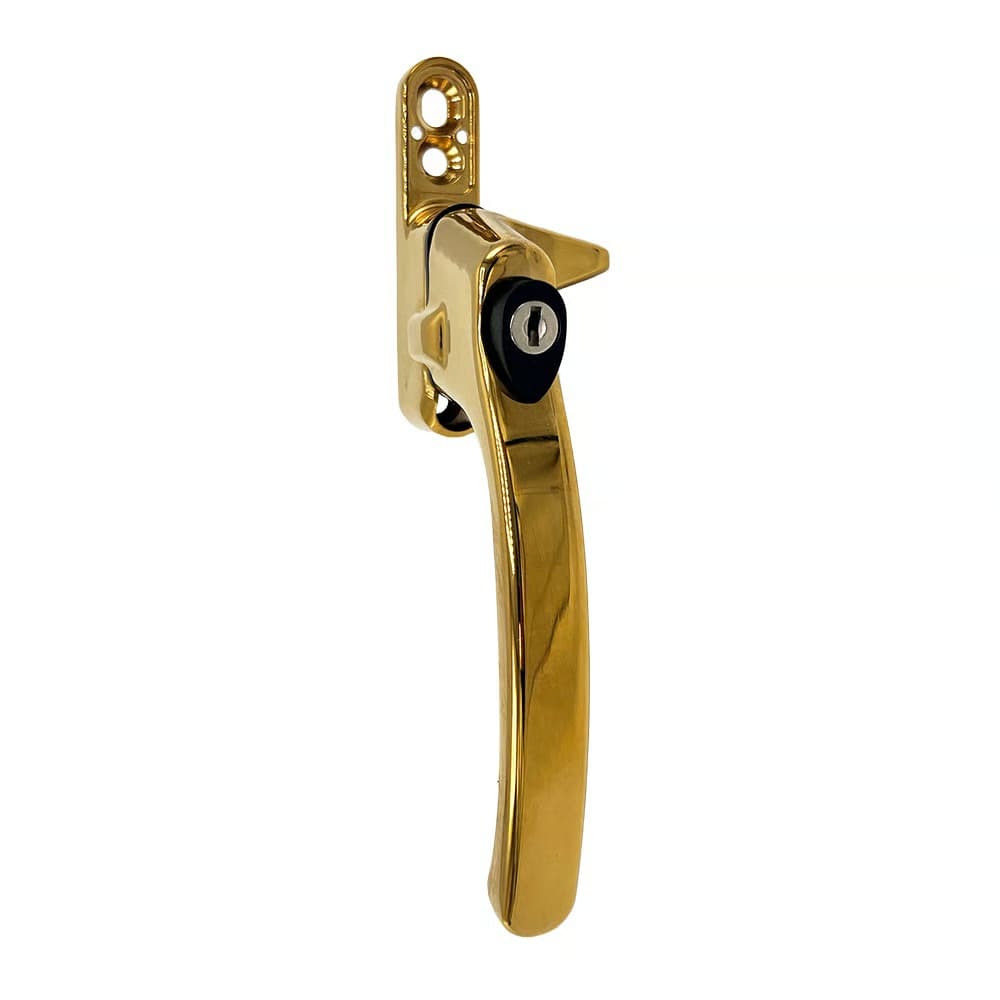
- For espag windows, a robust option is the TSS Cockspur Window Handles, which is designed to engage with common eurogroove gearboxes and provides a secure lock with a key.
- Where cockspur fittings remain, consider the TSS Cockspur Window Handle in a locking version to maintain compatibility with the frame while adding security.
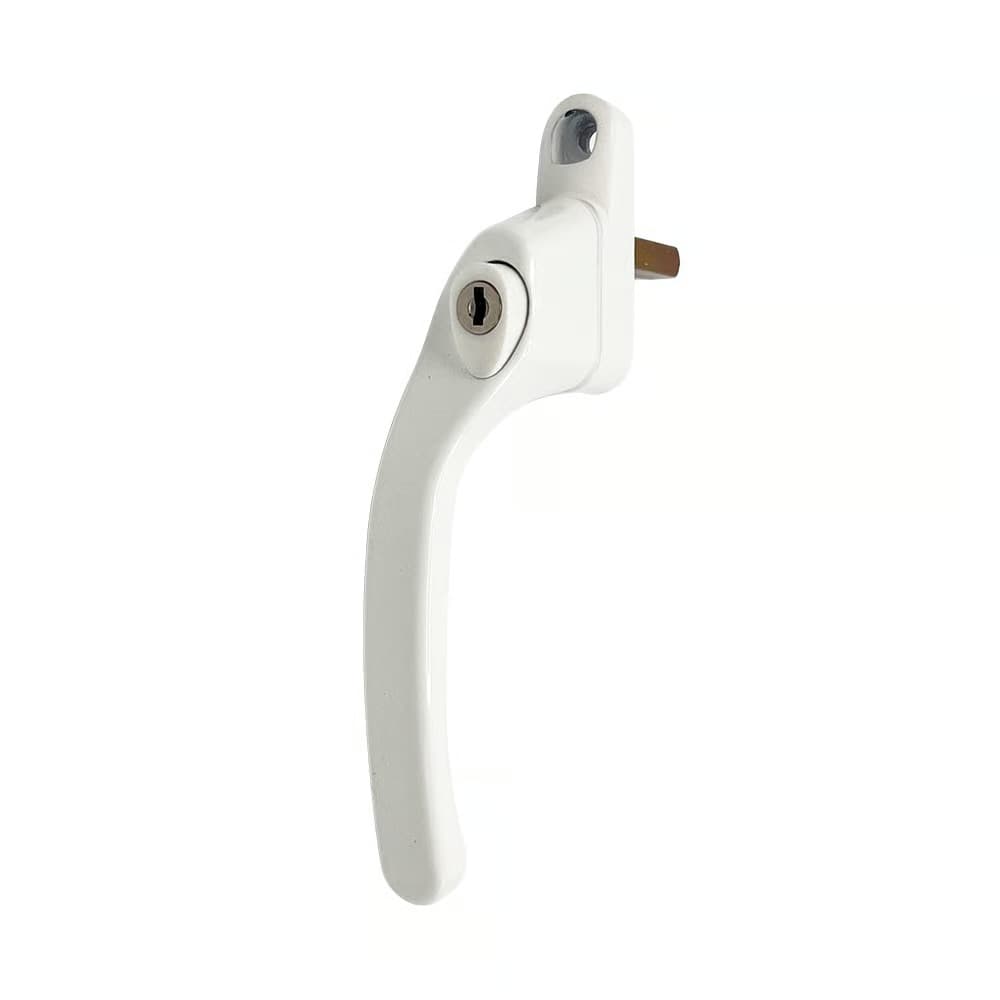
- For a balance of style and function on standard uPVC windows, the TSS Offset UPVC Window Handles offers a reliable locking mechanism and is available in common finishes.
Tools and materials required
Prepare the following before starting work:
- Cross-head and flat-head screwdrivers
- Allen keys (if required by the handle)
- Tape measure and vernier calipers for precision
- Replacement screws (stainless steel recommended)
- Masking tape and marker for temporary alignment marks
- Light lubricant or silicone grease for moving parts
Step-by-step replacement process
1. Preparation: Open the window and support the sash to prevent movement. Place masking tape along the frame to protect the uPVC finish from scratches. 2. Remove the old handle: Unscrew the fixings while supporting the handle. On some espag handles, a cover plate must be prised off to reveal the screws. Slide out the spindle carefully. 3. Inspect the mechanism: With the handle removed, operate the gearbox or locking keeps to ensure they are functioning. Replace or repair faulty gearboxes before fitting the new handle — a new handle will not resolve a broken internal mechanism. 4. Measure and compare: Measure the spindle length and screw centres again and compare with the new handle’s specification. Trim the spindle if it projects excessively, using a hacksaw and filing any burrs. 5. Test-fit the handle: Engage the spindle with the gearbox and position the handle. Ensure the handle sits flush and the screw holes align. If the handle binds, check the gearbox position and sash alignment. 6. Secure the new handle: Tighten screws evenly to avoid twisting the handle or compressing the uPVC. For keyed locking handles, test the lock and key operation several times. 7. Final adjustments: Operate the window through its full cycle to ensure no binding or misalignment. Apply a small amount of silicone grease to moving parts and wipe away any excess.
Common problems and practical solutions
- Binding or stiff operation: Check sash alignment and the gearbox position. Adjust hinges or tighten the gearbox mounting screws. Lubricate moving parts.
- Loose handle screws: Replace with slightly longer stainless steel screws or use threadlocker on metal-to-metal fixings. Avoid overtightening into uPVC as this can crack the material.
- Incorrect spindle length: If too short, a longer spindle will be required; if too long, trim and file square edges for a snug fit.
- Non-functioning lock: Verify the key engages the internal cam and that internal rod or gearbox components move freely. Replace the gearbox if seized or worn.
Maintenance tips to prolong life
- Clean and lubricate annually with a silicone-based lubricant to keep mechanisms moving freely and prevent corrosion.
- Check handle fixings regularly and re-tighten as required.
- Replace worn gearbox or keeps rather than relying only on a new handle; this preserves function and security.
- Store spare keys in a safe, labelled place and provide duplicates for tenants or co-occupants.
Compliance and security standards
Choose handles that meet recognised security standards where applicable. Many locking handles are tested to BS EN standards or Secured by Design recommendations. For rented properties, landlords should consider certified fittings to meet safety obligations and insurance requirements.
Replacing handles is a relatively straightforward upgrade that improves both security and usability. Proper measurement, choosing a compatible locking handle and inspecting the internal locking mechanism are essential steps. Tradespeople and competent DIYers equipped with the right tools can complete most replacements quickly, while addressing underlying gearbox or keep faults where necessary.