When to Replace a Window Handle vs the Locking Mechanism
A window handle that is stiff, loose or no longer secures the window can create frustration and potentially a security risk. Deciding whether to replace th...
A window handle that is stiff, loose or no longer secures the window can create frustration and potentially a security risk. Deciding whether to replace the handle alone or to address the underlying locking mechanism depends on symptoms, hardware compatibility and the condition of the window frame. This guide helps homeowners and tradespeople determine when a simple swap of replacement window handles is sufficient and when a more extensive repair or lock replacement is required, with practical steps for diagnosis and action.
Common symptoms and what they indicate
- Handle turns freely but does not operate the lock: usually indicates internal multipoint gearbox or espagnolette mechanism failure rather than a defective handle.
- Handle is loose on the spindle or wobbles: often a worn grub screw or stripped spindle slot; handle replacement or tightening is typically sufficient.
- Handle is stiff, hard to turn or sticks partway: could be dirt or corrosion in the mechanism, a seized spindle, or a failing gearbox requiring repair.
- Handle snaps or the lever breaks: cosmetic or mechanical failure of the handle itself — a direct replacement is normally appropriate.
- Locking points fail to engage or the window misaligns: signals sash movement or multipoint lock wear; handle change alone will not restore security.
Quick diagnostic checklist
1. Remove the handle using the small cover plate or grub screw and inspect the spindle for wear, corrosion or rounding. A worn spindle often causes slippage. 2. With the handle removed, operate the spindle with pliers or a temporary key to see whether the lock mechanism moves smoothly. If the lock engages and the locking points move correctly, the handle was at fault. 3. Check the gearbox or multipoint mechanism visually through the edge of the sash (where accessible) for broken linkages, detached rollers or visible damage. 4. Inspect keeps and strike plates on the frame — excessive wear or misalignment can prevent proper engagement even if the handle and mechanism are intact. 5. Test the locking sequence: for tilt-and-turn or espag windows ensure the handle travels through its full cycle without slipping.
These steps separate issues caused by the handle from those rooted in the locking mechanism.
When to replace the handle only
Replacement of the handle is appropriate when:
- The spindle and internal mechanism are intact and operate correctly without the handle.
- The handle is loose, damaged, corroded or cosmetically worn but the lock functions.
- The grub screw is rounded or missing and the handle cannot be securely reattached.
- The handle fails at the lever or rose but the multipoint system still engages.
Practical steps for a handle replacement:
- Measure spindle length and profile (square, D-shaped) and the screw-centre distance.
- Note handle handedness (left or right) and locking type (key or push-button).
- Remove old handle, clean the spindle and apply a light lubricant such as silicone spray if slightly stiff.
- Fit the new handle, aligning the spindle and tightening the grub screw to the manufacturer’s torque recommendation.
- Confirm full locking cycle and smooth operation.
When to replace or repair the locking mechanism
Replace or repair the locking mechanism when:
- The handle turns but does not actuate locking bolts or rollers.
- There is grinding, seizing or broken components visible in the sash edge.
- Multiple locking points fail or the sash is misaligned suggesting wear across the multipoint gear box.
- Security is compromised, such as faulty keeps or a corroded mechanism that cannot be reliably restored.
- Adjusting or replacing keeps and strike plates.
- Replacing the espagnolette gearbox or multipoint lock case.
- Realigning the window sash or adjusting hinges.
- Replacing worn or broken rods and linkage.
Cost and time considerations
Handle replacement is quick and cost-effective: typically 10–30 minutes per handle for an experienced tradesperson, with inexpensive parts. Replacing a multipoint lock or gearbox is more involved, often taking 1–3 hours per window and requiring specific replacement parts and adjustment time. Labour costs and part lead times should be weighed, particularly for older windows where exact gearbox replacements may be harder to source.
Practical maintenance tips to prolong life
- Lubricate moving parts annually with a dry silicone spray to prevent sticking and corrosion.
- Clean around the handle and sash edge to prevent grit ingress.
- Operate windows through their full cycle periodically to identify early stiffness or alignment issues.
- Tighten grub screws during routine checks to prevent loosening and spindle wear.
- Use manufacturers’ or like-for-like replacement parts to maintain security ratings.
Matching parts correctly
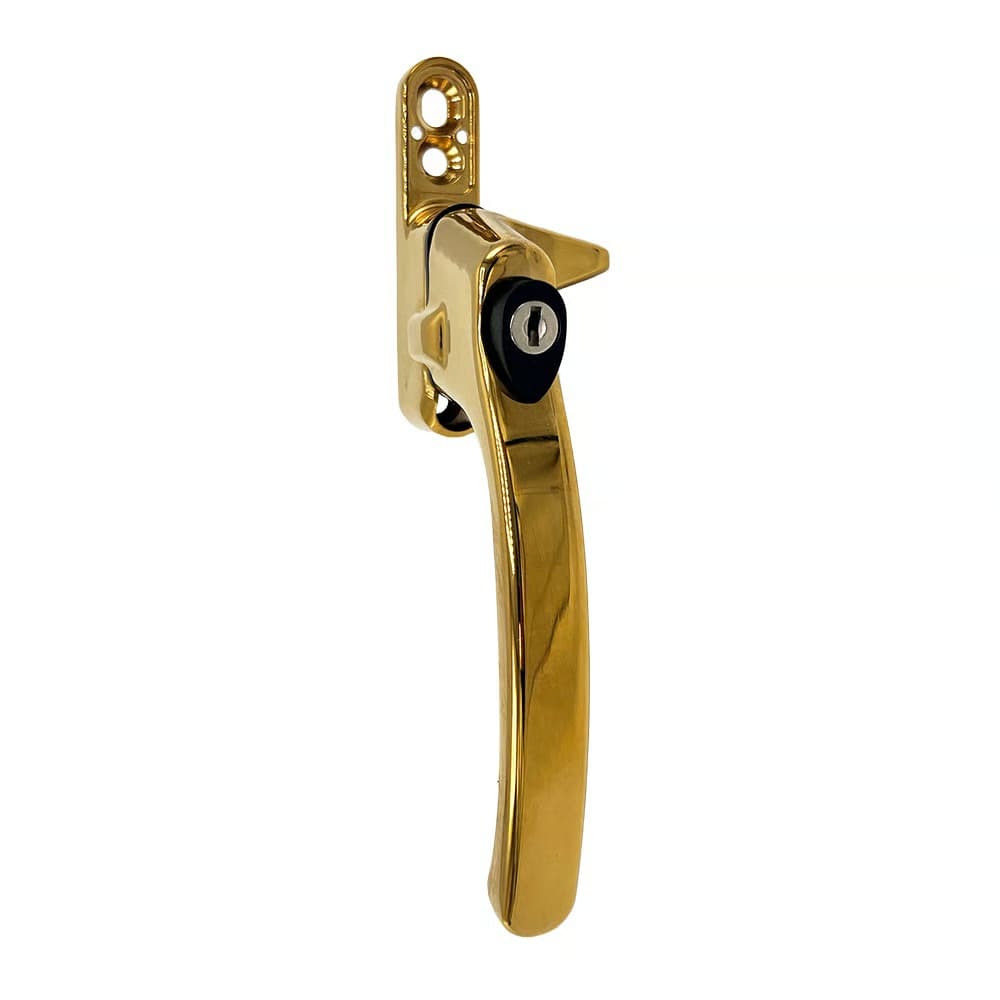
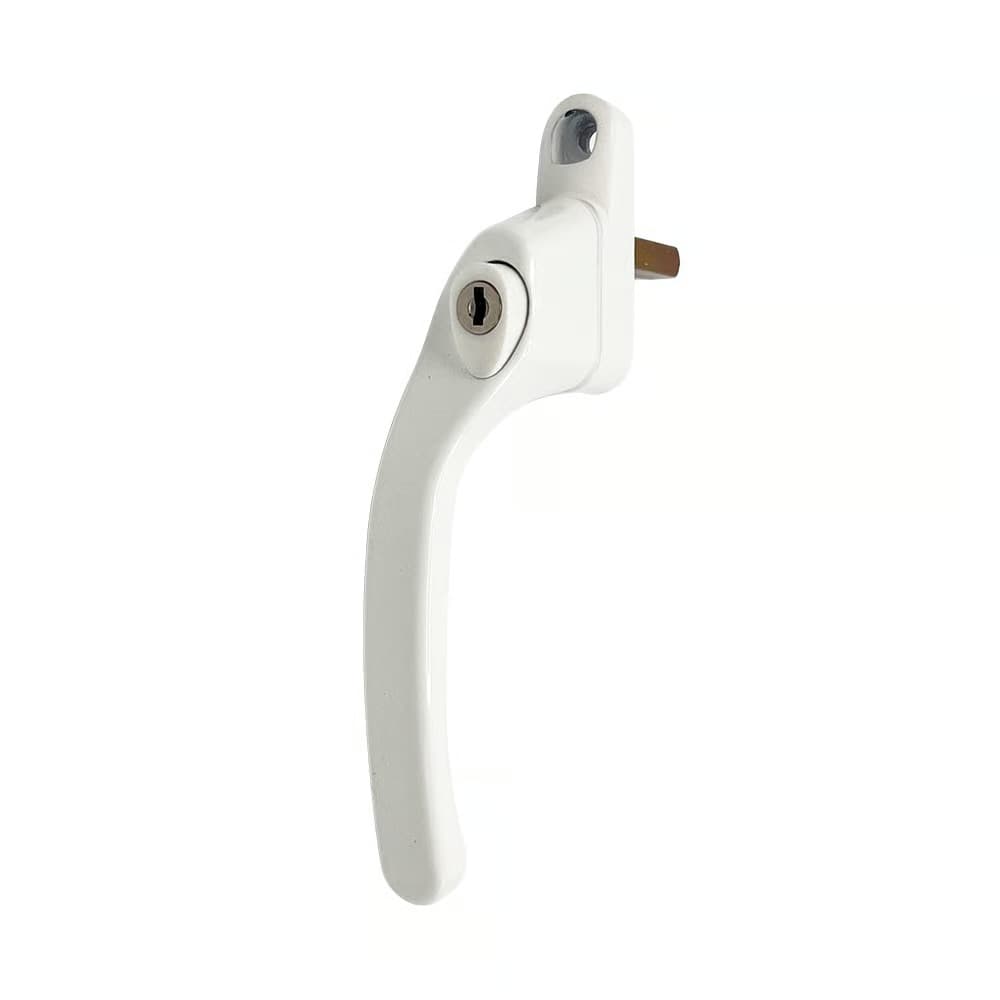
Successful replacement depends on matching spindle size and profile, screw-centre dimensions and handle locking style. For modern handles look for options such as the TSS Offset UPVC Window Handles which match common industry standards. Tradespeople should carry a simple gauge set or template to speed identification.
Summary
Replacement window handles are often the correct fix when the handle itself is damaged, loose or stripped. When the handle turns but the locking points do not engage, or when there are multiple failing points or sash misalignment, attention should turn to the internal locking mechanism or multipoint gearbox. Correct diagnosis, measuring for compatible parts and routine maintenance will keep windows secure and functional. More detailed guidance on styles, measurements and product selection is available in the comprehensive resource below.