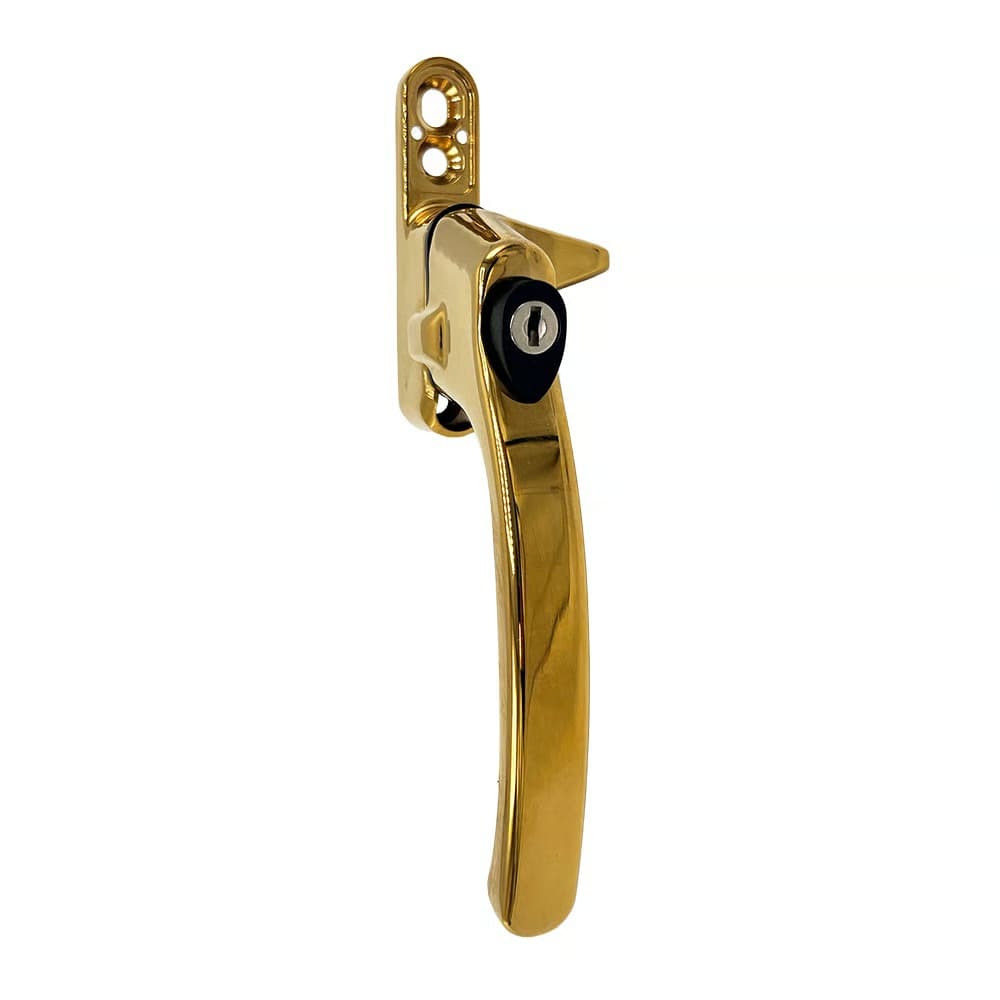
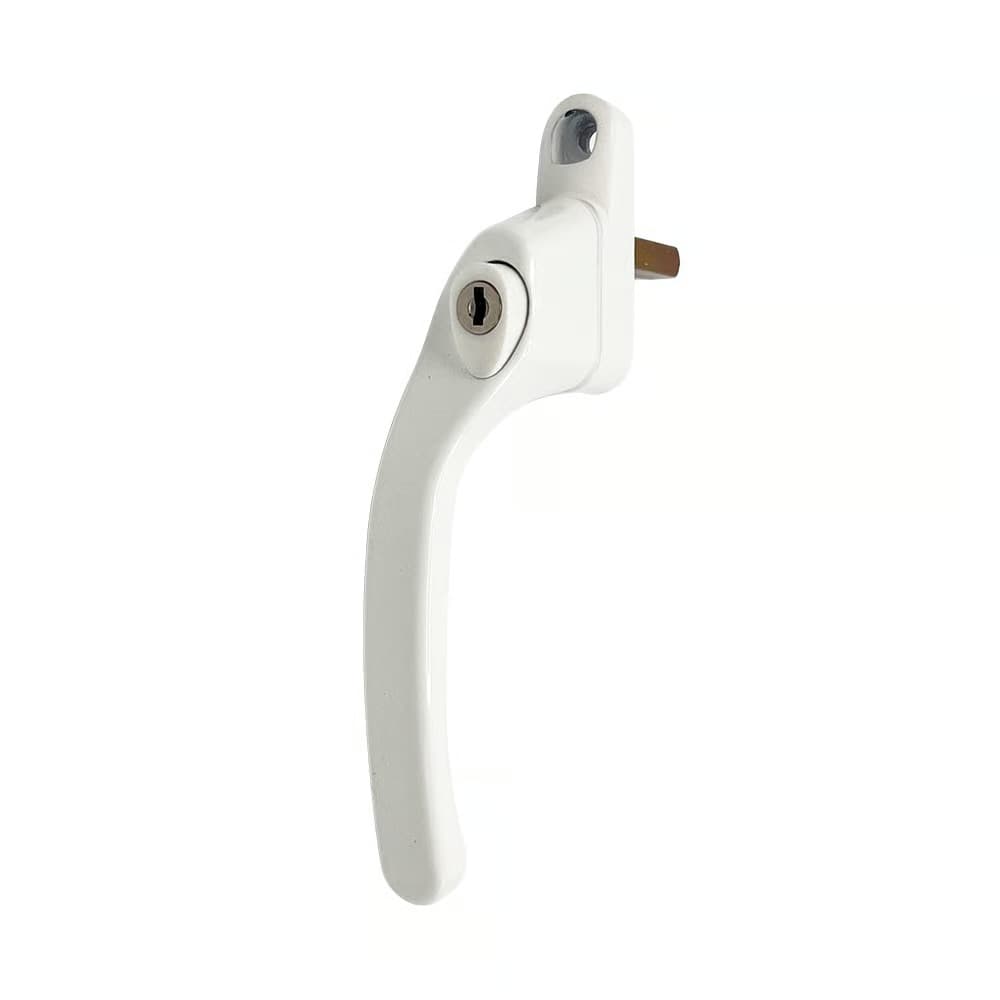
White Double Glazing Window Handles: Matching Most Frames
White double glazing window handles are a popular choice for both modern and traditional homes because they offer a clean, unobtrusive finish that compleme...
White double glazing window handles are a popular choice for both modern and traditional homes because they offer a clean, unobtrusive finish that complements most frame colours. Selecting the right white handle involves more than matching colour — considerations such as handle type, locking mechanism, spindle length and fixing centres will affect security, functionality and ease of installation. This guide provides practical, actionable advice for homeowners and tradespeople to choose, fit and maintain white double glazing window handles.
Choosing the right handle style
White handles come in several styles suited to different window types:
- Espag handles suit casement windows with multipoint espagnolette gear.
- Cockspur handles are for sliding or older casement windows using a simple catch.
- Block and tilt handles pair with tilt-and-turn configurations.
Matching handles to frames and hardware
Colour matching extends beyond a white finish — variations include pure white, bright white, and off-white or cream tones. Consider these practical steps:
- Compare samples: View handles against existing frames in natural light to avoid mismatches caused by artificial lighting.
- Match other hardware: Coordinate with hinges, keeps and letterplate finishes. A slightly warmer white on handles can clash with cool white frames if fitted alongside chrome hardware.
- Consider manufacturers’ ranges: Some handle lines offer consistent shades across handles and ancillary components for a cohesive aesthetic.
Measuring and specifying for replacements
Accurate measurement is essential to ensure compatibility:
- Fixing centres: Measure the distance between screw centres on the backplate — common sizes are 43mm and 50mm. Replacement handles must match these centres or require backplate adapters.
- Spindle length and square size: The spindle must engage the mechanism fully. Measure from the face of the handle through the frame to the mechanism; standard square spindles are 7mm (¼ inch) but confirm the exact size.
- Handing and orientation: Identify left- or right-handed handles by viewing from inside with the window closed. Ensure the replacement supports the same handing or choose a reversible model.
- Backset and keep alignment: Check that the handle’s throw aligns with existing keeps and keeps’ strike plates. A mismatched throw can prevent positive engagement.
Installation tips for trades and competent DIYers
Following correct procedures increases longevity and security:
- Remove the old handle carefully: Unscrew fixings and check for hidden screws under caps. Retain original keeps in case the new handle’s backplate differs.
- Prepare the surface: Clean the area and remove old paint or sealant that could prevent a flush fit.
- Use correct fixings: Choose stainless steel or plated screws to prevent corrosion. Where possible, use supplied fixings rather than replacing with generic screws.
- Apply threadlocker for security: A drop of medium-strength threadlocker on screws helps prevent loosening due to vibration.
- Check gearbox engagement: Before final tightening, operate the handle to ensure full travel and correct engagement with the espagnolette or latch.
- Test after fitting: Operate the handle through multiple cycles, and test locking mechanisms and any key-operated functions.
Security and compliance considerations
Double glazing window handles contribute to overall window security. Key considerations:
- Use handles with positive locking where possible; key-lockable or multi-point espag handles improve resistance to forced entry.
- Ensure compatibility with existing window locking systems and compliance with building regulations or insurance requirements.
- Document changes on retrofit projects to confirm that upgraded hardware meets the required standards for secure glazing.
Maintenance and care
Simple maintenance prolongs handle life and keeps security reliable:
- Clean regularly with a mild detergent and soft cloth; avoid abrasive cleaners that damage finish.
- Lubricate moving parts annually with a light silicone or graphite lubricant; avoid heavy oils that attract dirt.
- Tighten fixings periodically and check that the handle returns to a neutral position without slack.
- Replace weathered or cracked handles promptly — aesthetic wear often precedes mechanical failure.
Practical selection checklist
Use this quick checklist to make confident choices:
- Confirm window type (casement, tilt-and-turn, sliding).
- Measure fixing centres, spindle size, handing and backset.
- Match finish to frame and other hardware.
- Select appropriate security level (lockable or non-lockable).
- Use correct fixings and perform post-fit testing.