Window Handles and Locks: Buyer’s Checklist
Choosing the right window handles and locks is a small but crucial part of home improvement that affects security, usability and the overall finish of wind...
Choosing the right window handles and locks is a small but crucial part of home improvement that affects security, usability and the overall finish of windows and doors. This checklist-style guide helps homeowners and tradespeople select, fit and maintain window hardware to meet practical needs and compliance requirements. It covers compatibility, security ratings, operation type, materials, fitment tips and ongoing care to ensure the chosen hardware performs reliably for years.
Assess compatibility and operation type first
Begin by determining the type of window and the required operation. Common options include casement, tilt-and-turn, sliding and sash windows. Each requires specific handle profiles and locking mechanisms.- For casement and outward-opening windows, espag handles are standard; they engage with a multi-point espagnolette gear.
- Tilt-and-turn windows need handles that operate both tilt and turn modes; ensure the spindle length and mechanism match the gearbox.
- Sliding and vertical sash windows use cockspur or sash fastener handles.
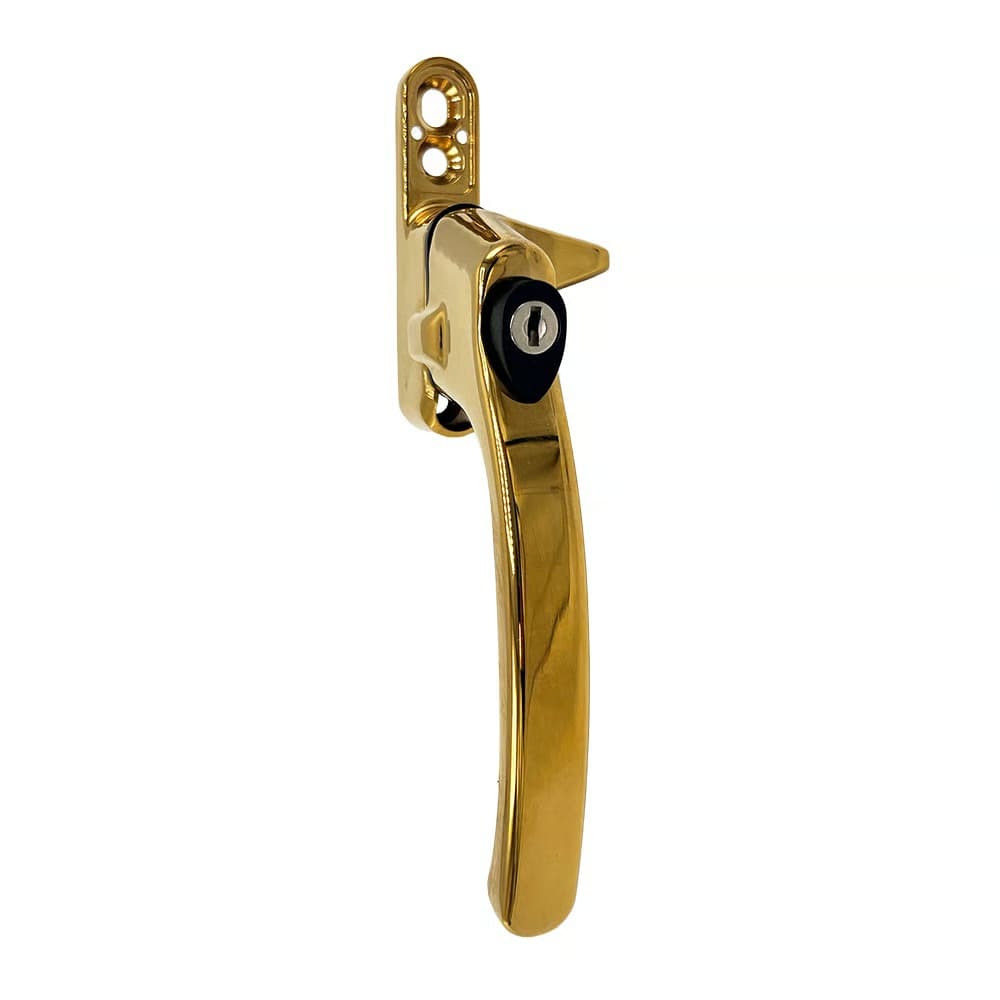
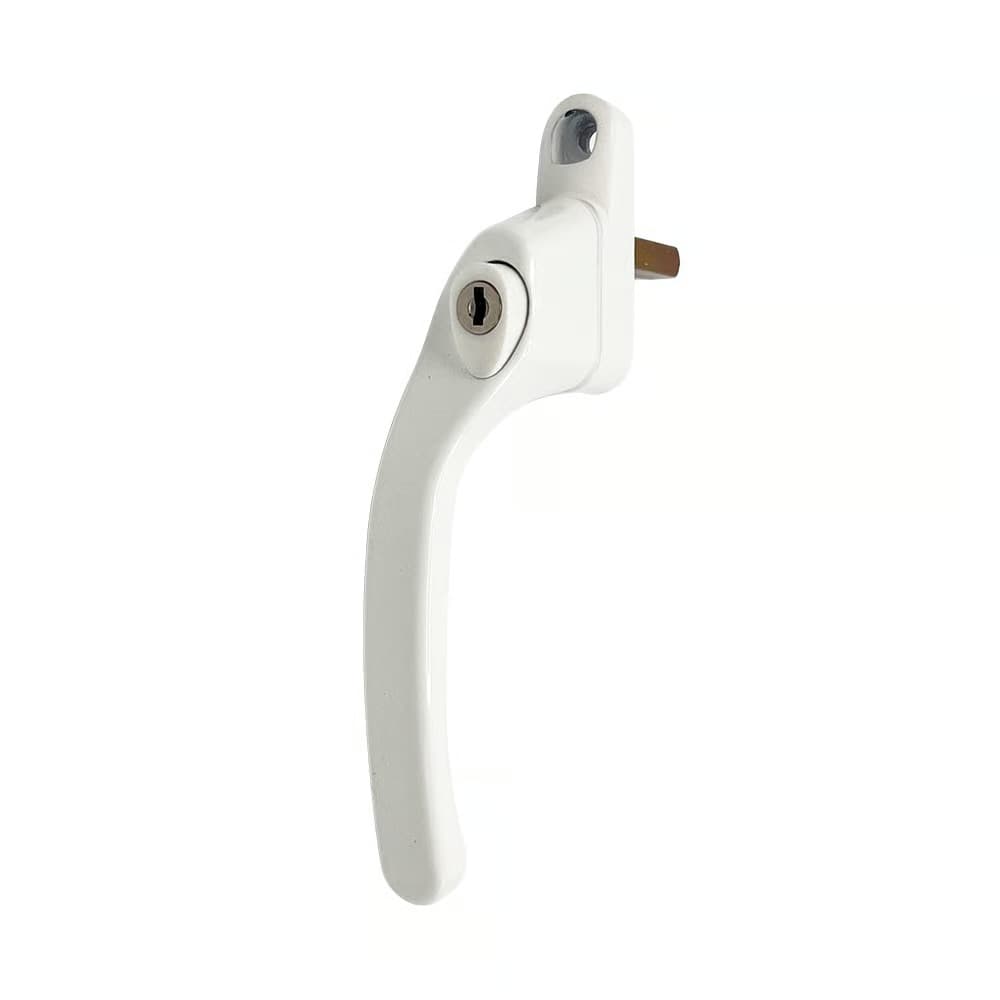
Consider the TSS Cockspur Window Handles for casement applications requiring robust espagnolette engagement. For traditional sliding or casement fastenings, the TSS Cockspur Window Handle provides a straightforward fixing and low-profile operation. The TSS Offset UPVC Window Handles suits contemporary installations where a balance of durability and design is required.
Prioritise security ratings and locking mechanism
Security should guide the selection of locks and handles. Look for products tested to recognised standards and those that form part of a multi-point locking system for enhanced protection.- Ensure handles are locked where required: key-locking handles or push-lock options prevent unauthorised opening from the outside and add child-safety features.
- For compliance with insurance or local regulations, check whether the window hardware contributes to an overall security rating such as PAS 24 or Secured by Design when used with the correct ancillaries.
- Use anti-snap or reinforced spindle designs where windows face public access routes.
Choose material, finish and ergonomics
Material choice affects longevity and appearance. Aluminium, zinc alloy and stainless steel are common, each with trade-offs.- Zinc alloy provides good cost-to-strength ratio and is available in many finishes.
- Stainless steel suits coastal locations due to superior corrosion resistance.
- Aluminium offers a lightweight option and can be colour-matched to frames.
Ergonomics: choose handles that offer comfortable grip and operate smoothly at all angles. For elderly users or frequent operation, lever actions with longer throw can reduce wrist strain.
Practical fitting tips for tradespeople and competent DIY
Correct fitting ensures longevity and security. Follow these actionable steps:- Prepare the frame: clean the fixing area and remove old sealant or debris. Replace any damaged timber or uPVC that might compromise fixings.
- Use the right fixings: stainless steel or corrosion-resistant screws sized to the window frame material. Countersink where necessary and seal screw heads with appropriate sealant for weatherproofing.
- Check alignment: before final tightening, operate the handle through its full travel to ensure the locking points align with keeps and strikes without binding.
- Adjust striker plates: minor misalignment is common and can be corrected by filing or adjusting the keep position slightly. Always test locking under normal sash weight.
- Torque: avoid overtightening through soft materials which can crack frames or strip threads. Use a torque-limited screwdriver where precision is needed.
Maintenance, troubleshooting and replacement triggers
Well-maintained handles and locks operate smoothly and provide the best security.Maintenance schedule:
- Every six months: clean moving parts with a mild detergent, remove dirt and lubricate locking mechanisms with a dry PTFE lubricant; avoid oily lubricants that attract dust.
- Annually: check all fixings for movement and re-tighten where necessary. Examine handles for corrosion or wear.
- Stiff operation typically indicates dirt in the locking gear or the need for lubrication.
- Wobble in handles usually means loose fixings — remove, clean the bore and refit with appropriate screws or resin anchors if the bore is worn.
- If keys are hard to turn, check alignment of the spindle to the gearbox and consider replacing worn cylinders rather than forcing operation.
Final checklist before purchase
- Confirm window type and measure spindle length, screw centres and backset.
- Select handle style and locking type suited to security needs (keyed, push-lock, non-locking).
- Match material and finish to environment and design preference.
- Verify compatibility with existing espagnolette or gearbox; check for standards and security ratings.
- Plan for correct fixings and sealants; include spares for installations.