Window Handles and Locks: Common Problems and Fixes
Window handles and locks are small components that have a big impact on security, weatherproofing and ease of use. Homes and commercial properties often ex...
Window handles and locks are small components that have a big impact on security, weatherproofing and ease of use. Homes and commercial properties often experience common faults such as stiff handles, misaligned espagnolette mechanisms, broken cockspur arms or snapped springs. This guide explains typical problems, practical diagnostic steps and straightforward fixes suitable for homeowners and tradespeople, with recommendations for reliable replacement hardware where appropriate.
Common symptoms and what they mean
- Stiff or hard-to-turn handles: Often caused by dirt, rust, lack of lubrication or worn gearbox components in the mechanism.
- Loose or wobbly handles: Usually due to stripped screw threads, loose grub screws or a worn spindle.
- Handle returns slowly or does not return: Caused by a broken return spring inside the handle or an obstructed mechanism.
- Window won’t lock fully or lock throws only part of the espagnolette rod: Indicative of misalignment between keepers and locking points or a bent espagnolette rod.
- Handle snaps or plastic breaks: Typical with older or low-quality cockspur and tilt-and-turn handles; replacement may be required.
- Condensation and draughts despite closed handle: Likely due to worn weatherseals or incorrect compression from the locking mechanism.
Basic diagnostic checklist
1. Inspect visible fixing screws and grub screws for tightness. 2. Operate the handle while observing the locking points, keeps and keeps plates for signs of binding or misalignment. 3. Remove the handle and check the spindle for wear, corrosion or incorrect length. 4. Examine the faceplate and espagnolette rod (if accessible) for bends, missing hooks or broken cams. 5. Check the condition of the window run channels, hinges and seals that can affect locking compression. 6. Clean accumulated dirt, grease or corrosion and test operation after each corrective action.
Simple fixes homeowners can try
- Tighten fasteners: Use the correct sized screwdriver or hex key to tighten mounting screws and the grub screw that clamps the handle to the spindle. Always support the handle while tightening to avoid snapping.
- Lubricate moving parts: Apply a light machine oil or silicone spray to the spindle, gearbox and locking keeps. Avoid heavy grease on sash seals as it can attract dirt.
- Replace a worn spindle: If the handle still feels slippy or wobbly after tightening, remove the handle and replace the spindle with a correctly sized one.
- Adjust keeps and keeps plates: Slightly moving the keeps on the frame can re-establish proper engagement. Loosen the screws, reposition and retighten. This often cures partial lock throws and draughts.
- Clear aged sealant and debris: Remove trapped dirt from the rebate and seals; replace failed seals to restore compression and reduce condensation.
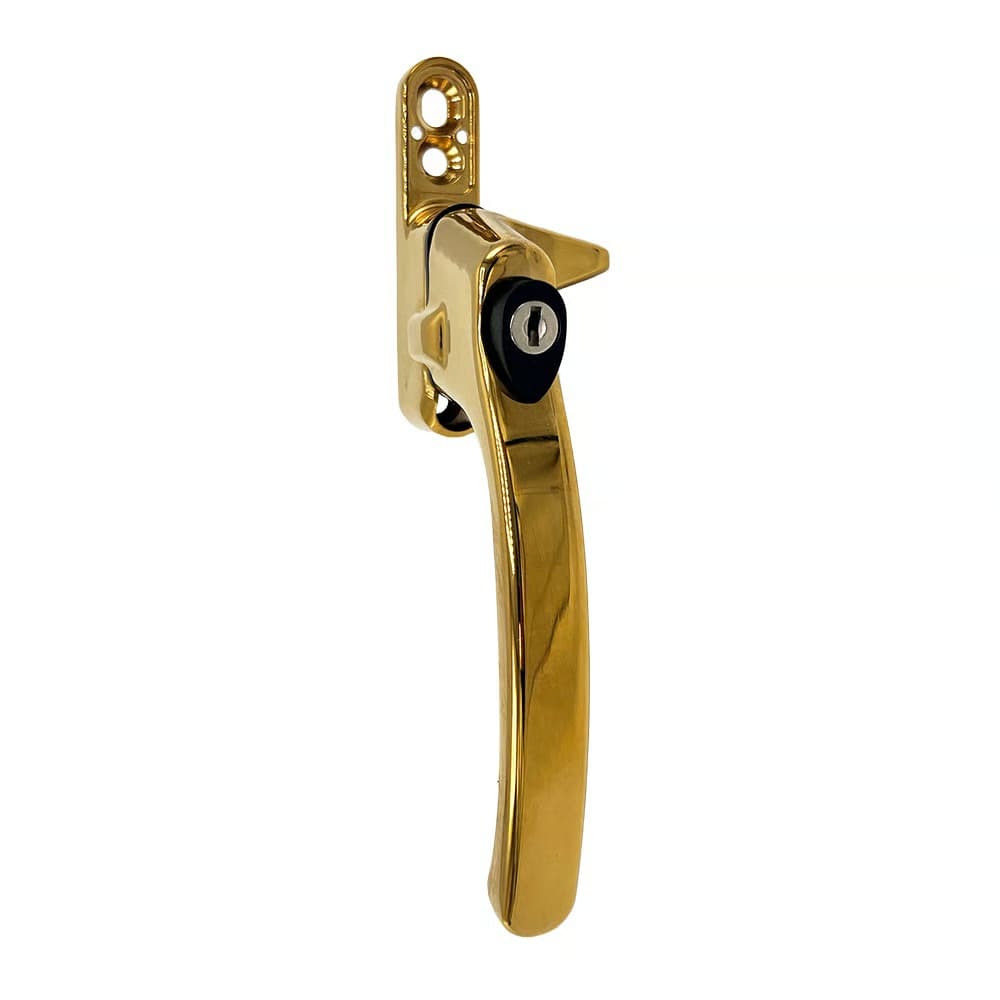
- Replace a broken handle: For common cockspur failures on older timber or aluminium windows, fit a high-quality replacement such as the TSS Cockspur Window Handle. Cockspur handles are straightforward to swap and are available in a range of lengths.
Tradesperson-level repairs
- Realign espagnolette rods: For tilt-and-turn and casement windows fitted with espagnolette rods, loosening the sash screws and re-aligning the sash within the frame can correct engagement issues. Measure the closing compression evenly around the perimeter.
- Replace or repair the espagnolette gearbox: If the gearbox is worn or the cams have lost profile, replace the gearbox assembly. Quality espagnolette handles such as the TSS Cockspur Window Handles often mate with standard gearboxes, but confirm profile compatibility before ordering.
- Straighten bent rods and replace broken components: Remove the sash and access the mechanism; replace or straighten bent rods and replace broken keeps/strikers on the frame.
- Upgrade locking points: Installing additional keeps or upgrading to anti-lift devices increases security and can resolve poor sealing problems by improving compression control.
- Address multipoint lock failures: For composite or UPVC doors/windows with multipoint systems, inspect the lever arms and rollers. Replace worn cams and rollers and re-time the locking sequence so all points engage smoothly.
Replacing handles: best practice
- Match spindle size and shape: Measure the existing spindle length and profile before purchasing a replacement handle; incorrect spindle length will prevent proper operation.
- Check handedness and tilt function: For tilt-and-turn or reversible handles, confirm the hand and any tilt function orientation required.
- Use recommended fixings: Replace corroded screws with stainless steel equivalents and apply thread-locker on screws that loosen frequently.
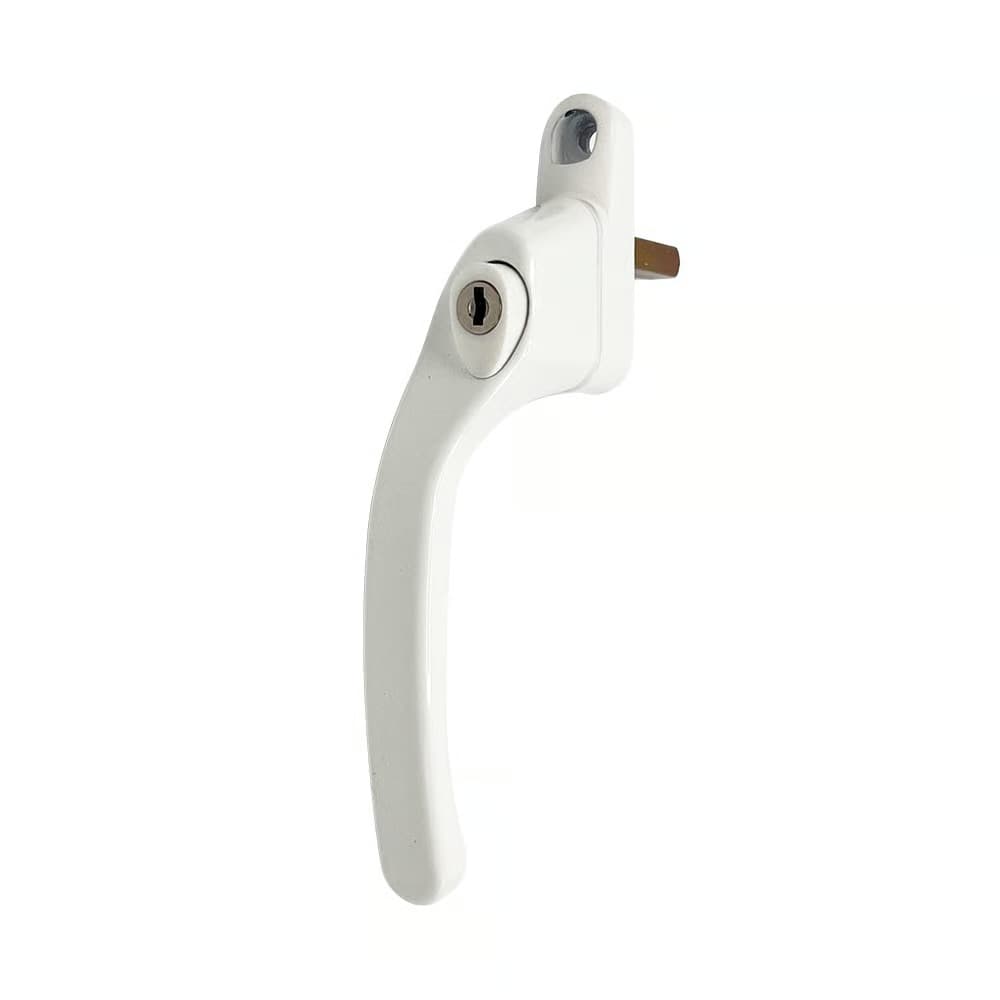
- Security upgrade: For windows in vulnerable positions, choose handles with a key-locking option or robust anti-snap mechanisms. The TSS Offset UPVC Window Handles offers a balance of security features and durability suitable for many retrofit scenarios.
Maintenance tips to prevent problems
- Lubricate annually using silicone spray on moving parts and light oil for metal-to-metal interfaces.
- Clean window channels and seals every six months to prevent debris build-up that causes misalignment.
- Operate all locking points monthly to keep mechanisms mobile and spot wear early.
- Replace worn seals promptly to prevent water ingress and avoid rusting of internal mechanisms.
- Keep spare spindles and grub screws on site for tradespeople to minimise call-back time.
When to call a specialist
Complex issues such as welded-in espagnolette rods, severe corrosion, or windows integral to fire escapes require professional attention. If multiple locking points require replacement or if upgrades to meet current security standards are needed, engage a specialist with access to original profiles and appropriate tools.
Careful inspection, routine maintenance and timely replacement of worn parts resolve the majority of problems with window handles and locks. Using quality replacement hardware and applying the correct repair techniques improves longevity, restores security and maintains weather performance for many years.