Window Handles and Locks: Common Sizes and Compatibility
Replacing or upgrading window handles and locks requires more than choosing a matching finish. Correct measurements, understanding mechanism types and chec...
Replacing or upgrading window handles and locks requires more than choosing a matching finish. Correct measurements, understanding mechanism types and checking compatibility with existing hardware prevent wasted parts and extra labour. This guide explains common sizes, how to measure, and practical tips for ensuring new handles and locks fit and function correctly for both homeowners and tradespeople.
Common handle and lock types
Window hardware usually falls into a few broad categories, each with distinct compatibility needs:
- Espag (espagnolette) handles: used on uPVC, aluminium and some timber casement windows. They operate an espagnolette locking mechanism inside the frame via a spindle and locking points along a rod or gearbox.
- Cockspur handles: fitted to simple casement windows, particularly older timber frames and some metal frames. They clamp onto the frame edge when closed.
- Night vent and tilt-and-turn handles: specific to the window operation; tilt-and-turn uses multi-point locking gear while night vent maintains partial opening.
Key measurements to take
Accurate measurements remove guesswork when ordering replacements. Always carry a set of calipers, a small tape measure and a camera to record the existing hardware.
- Centre-to-centre (fixing hole centres): Measure between the two screw holes on the handle backplate. This is often the key size quoted for many handles and is critical for backplate replacements.
- Spindle size and length: For handles with a square spindle, measure the spindle across flats to determine the correct square size (common on espag handles). Then measure the spindle length from the face of the handle backplate to the end of the spindle; this must reach the mechanism inside the frame.
- Projection (handle reach): Measure how far the handle projects from the backplate. This affects clearance and usability.
- Backset and gearbox dimensions: For espagnolette gearboxes, note the position of the locking points and any gearbox mounting centres. If replacing the espag handle only, ensure the spindle and gearbox are compatible.
- Locking rod or arm length (cockspur): For cockspur handles, measure the length and curvature of the spur that bears on the frame; mismatch can prevent the handle from clamping properly.
Typical sizes and ranges
Hardware dimensions vary by manufacturer, so supply ranges rather than absolute values:
- Spindle size: Square spindles for casement/espag handles commonly range from 6 mm to 8 mm across flats. Many modern espag handles use a 7 mm spindle, but confirmation is essential.
- Spindle length: Ranges from about 20 mm to 50 mm from the backplate face, depending on frame thickness and gearbox position. A common domestic length is around 35 mm, but thicker frames or additional packing may require longer spindles.
- Fixing centres: Handle backplate fixing centres commonly fall between 40 mm and 100 mm. Measure to confirm whether the screw holes align with the new backplate.
- Cockspur arm lengths: Varied; check that the spur engages the frame correctly without bottoming out or leaving a gap. Minor bending of the spur (timber) is possible, but replacement is safer if geometry is significantly different.
Compatibility checks before ordering
- Spindle compatibility: Match both size and length. An undersized spindle leads to play and poor operation; too long can foul the mechanism.
- Fixing centres: New handle backplate must align with existing screw holes, or new holes must be drilled carefully into suitable material. Repeated drilling in thin PVC can compromise integrity.
- Locking mechanism: For espagnolette systems, confirm whether the handle is linked to a gearbox or directly to a rod. Order a handle designed for that mechanism. Example: an espag handle designed for a multi-point espagnolette will not work with a simple through-spindle gear.
- Keyed or non-keyed: Decide whether to replace with a locking (keyed) handle for security. Ensure cylinder sizes and positions match.
- Frame material: Some handles are designed for uPVC/aluminium and have different fixing methods to timber fittings. Match handle type to frame.
Practical installation tips
- Work methodically: Remove the old handle and keep all screws and parts for reference. Photograph positions before dismantling.
- Test operation before final fit: With the new handle loosely fitted, operate the window to confirm smooth engagement of the locking points or cockspur action.
- Use correct torque: Over-tightening screws on plastic frames can crack the surrounding material; snug and secure is preferable.
- Pack where necessary: If spindle length or backplate spacing is slightly short, use thin packing washers to achieve the correct spindle engagement rather than forcing components.
- Use corrosion-resistant fixings: For external windows, use stainless steel screws to avoid staining and long-term corrosion.
- Replace worn gearboxes: If the internal espagnolette or gearbox shows wear or broken locking points, replace the mechanism rather than only fitting a new handle.
Product examples and when to choose them
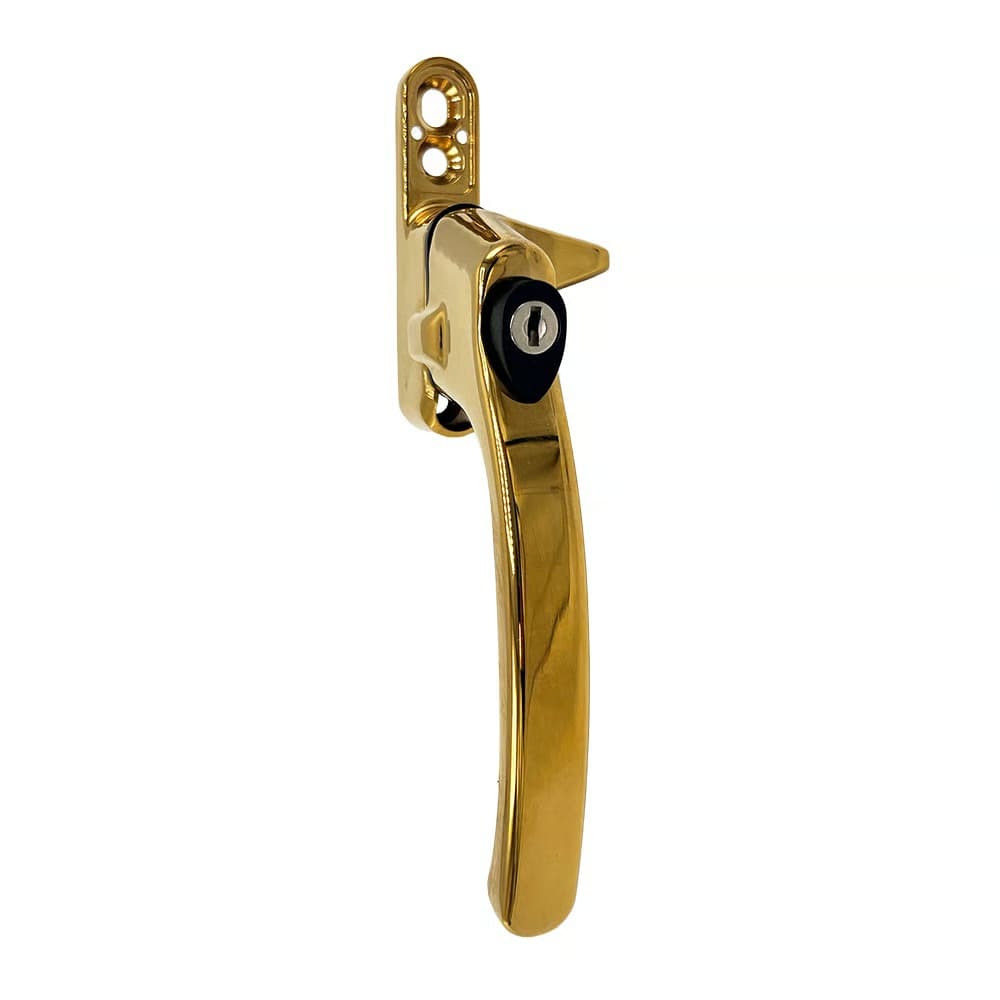
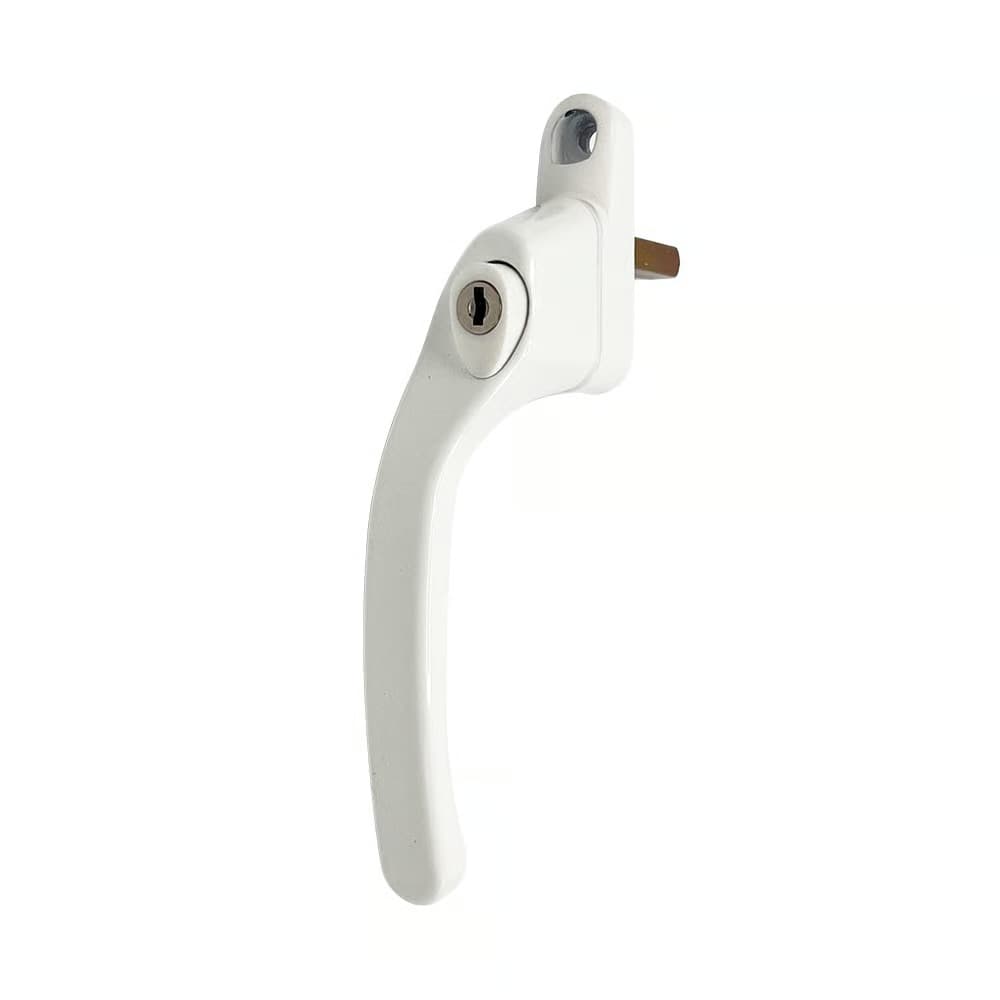
For modern uPVC or aluminium casement windows requiring a locking espag handle, a secure option is the TSS Cockspur Window Handles. For simple timber casement windows where a traditional clamping action is required, the TSS Cockspur Window Handle provides robust performance. For a reliable mainstream option suitable for many replacement jobs, the TSS Offset UPVC Window Handles is commonly chosen for domestic repairs.
Final checks and routine maintenance
Once installed, operate the handle several times and check alignment of locks and keeps. Tighten fixings after a few days of use as materials settle. Regular lubrication of moving parts with a light specialist lubricant prolongs life and keeps operation smooth. Routine inspection for wear, corrosion or play helps plan replacements before security is compromised.