Window Handles and Locks: Espag Mechanisms Explained
Window handles and locks are fundamental components of modern casement and tilt-and-turn windows. Understanding espag mechanisms — the most common multi-po...
Window handles and locks are fundamental components of modern casement and tilt-and-turn windows. Understanding espag mechanisms — the most common multi-point locking system used in uPVC and aluminium windows — helps homeowners and tradespeople choose, maintain and replace window hardware that delivers security, weather performance and smooth operation.
What is an espag mechanism?
An espag (espagnolette) mechanism is a type of multi-point lock driven by a handle spindle engaging a gearbox and a steel espagnolette rod or cam hooks that run the height of the window. When the handle rotates, cams and hooks travel into keeps in the frame to secure the sash at multiple points. This design spreads compressive force evenly, improving weather sealing and security compared with single-point deadbolts.
Common configurations include the classic hook espag for compression and enhanced security, roller cams for easy operation, and opposing cams for fast movement. Components that can wear are the gearbox, spindle, screwless adaptors, striker keeps and the cams or hooks themselves.
Choosing the right espag handle and lock
Selecting the correct handle and espag system depends on window type, security needs and aesthetics. Key factors:
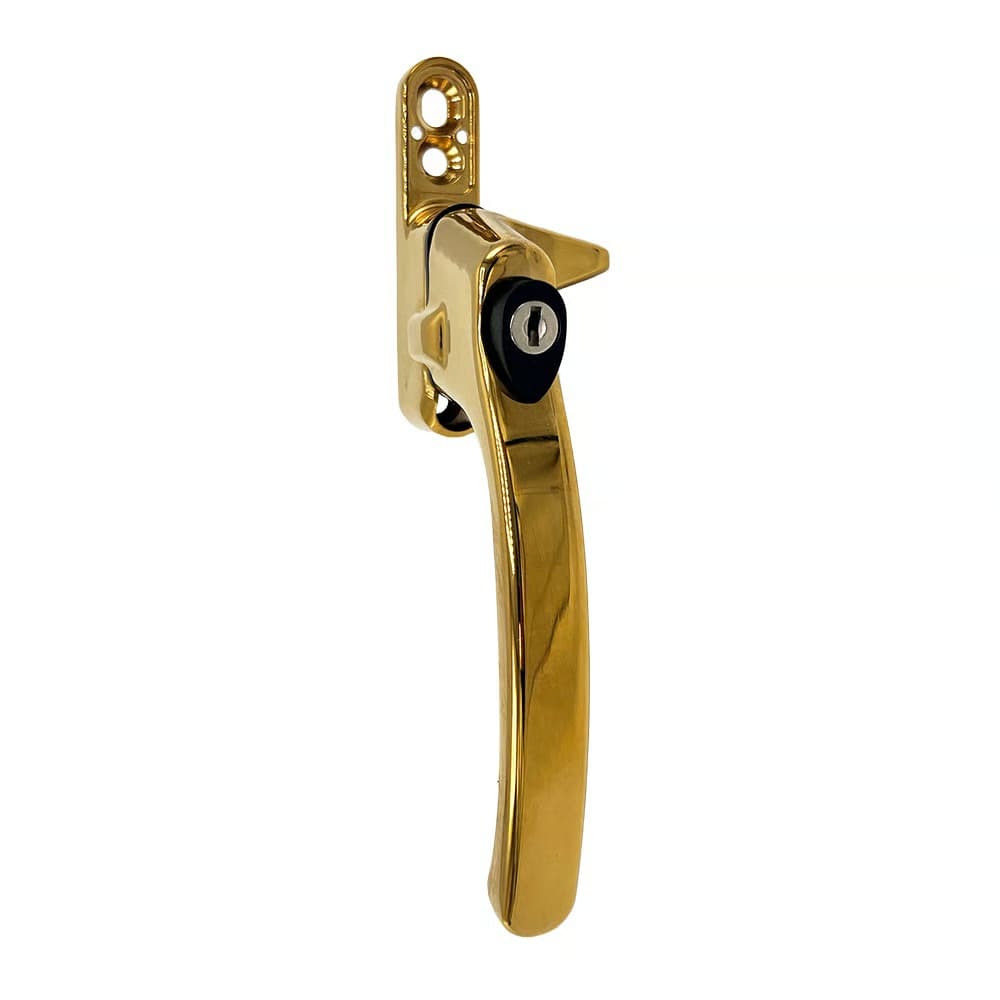
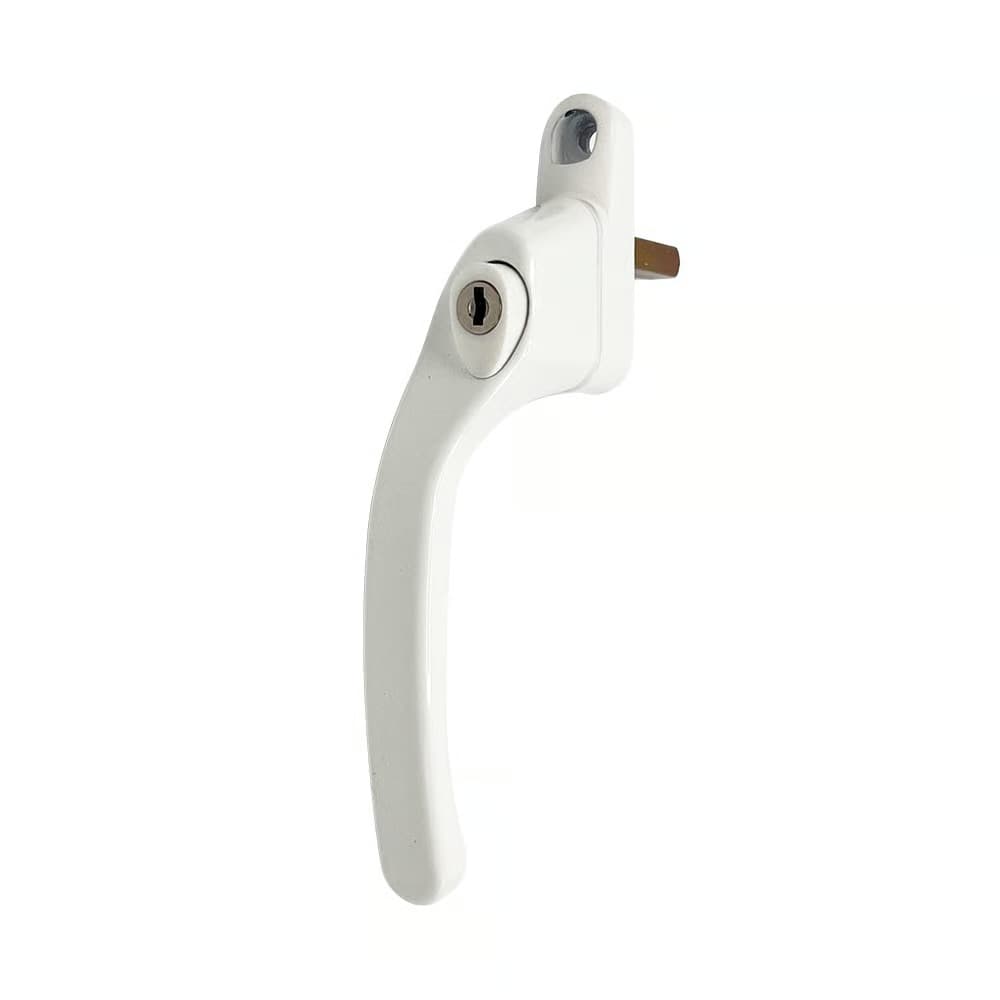
- Handle projection and orientation – Cockspur or monkey-tail handles suit older timber windows, while cranked or straight espag handles suit modern uPVC.
- Backset and spindle length – Measure the distance from the handle spindle centre to the screw holes and frame edge; correct dimensions avoid binding.
- Lock case type and espag rod profile – Match the espag profile (hook, roller, or mushroom cams) to the keeps already fitted to the frame. Many replacement espag rods are sold in standard lengths and can be cut to size.
- Security rating – Look for handles that accept 3 star cylinder locks for doors or high-security peg systems for windows where applicable.
Practical steps for inspection and maintenance
Regular inspection and maintenance prolong lifespan and prevent expensive repairs.
- Visual inspection every 6–12 months: check for loose screws, cracked plastic covers, corroded components and any unusual play in the handle.
- Lubrication: apply a small amount of dry PTFE or silicone spray to the gearbox and moving cam surfaces once a year. Avoid oil-based lubricants that attract dust and gum up mechanisms.
- Tightening: tighten handle fixing screws and gearbox retaining screws while the handle is in the neutral position. Do not overtighten plastic fixings; they should be snug but not stressed.
- Keep keeps aligned: worn or twisted keeps cause binding. If the handle becomes stiff at the top or bottom of travel, loosen keep screws, adjust alignment and retighten.
- Weather checks: ensure the window compresses evenly against the frame when locked. Replace worn gaskets to restore thermal performance.
Replacing an espag handle or lock — step-by-step
Replacing a handle or espag rod is straightforward for a competent tradesperson and feasible for confident DIYers with basic tools.
1. Tools required: cross‑head and flat screwdrivers, hex keys, tape measure, hacksaw for cutting rods, metal file, lubricant and appropriate replacement parts. 2. Remove the handle: unlock the window, straighten the handle into neutral, remove the grub screw or lower fixing screw, and slide the handle off the spindle. 3. Remove the gear box or rod: open the sash fully and remove faceplate screws; withdraw the gearbox assembly or espag rod carefully. 4. Measure and mark: measure the new rod for length using the old rod as reference. Mark an allowance for the rod to slide into the gearbox if applicable. 5. Cut and finish: cut to length with a hacksaw and file any burrs. Check that cam hooks align with frame keeps. 6. Fit new gearbox/rod and handle: insert the rod, secure the gearbox with screws, refit the handle and test operation. If operation is stiff, check spindle length and handle offset. 7. Final adjustments: adjust striker plates/keeps for a smooth, even lock with no undue strain.
Practical tip: Keep a record of part numbers, backset, spindle length and cam profile for future replacements. Many manufacturers mark these on the faceplate.
Common problems and quick fixes
- Stiff operation: often caused by misalignment, dirt or lack of lubrication. Clean moving parts, apply PTFE spray and check keep alignment.
- Handle droop or free spin: usually due to stripped gearbox or broken drive dog. Replace the gearbox or handle unit.
- Hook not engaging: check rod length and hook orientation; replace broken hooks or re-profile the keeps.
- Corrosion: replace corroded stainless components and consider upgrading to stainless or coated options for coastal properties.
Security and compliance considerations
Window hardware contributes to overall home security. Use handles that accept anti-drill or 3 star cylinders where appropriate and choose espag hooks designed to resist lever attacks. Ensure installations comply with relevant building regulations and insurance requirements; many insurers require windows above ground floor to have key-locking handles or restrictors.
When to call a professional
Call a specialist when there is extensive corrosion, structural timber decay around the frame, or if replacing the espag would require adjusting or replacing glazing beads or sealing. Professional fitters can also supply police-preferred fittings and certify work for insurance records.
Accurate selection, routine maintenance and correct installation will keep window handles and locks functioning reliably for years. For further guidance on handle types, finishes and measurements, consult the comprehensive Window Handles Guide.