Window Handles and Locks: FAQs
Window handles and locks are essential components for safety, security and usability in both domestic and commercial properties. This FAQ-style guide addre...
Window handles and locks are essential components for safety, security and usability in both domestic and commercial properties. This FAQ-style guide addresses common concerns from homeowners and tradespeople, offering practical, actionable advice on selection, maintenance and troubleshooting to keep windows functioning smoothly and securely.
What types of window handles and locks are available?
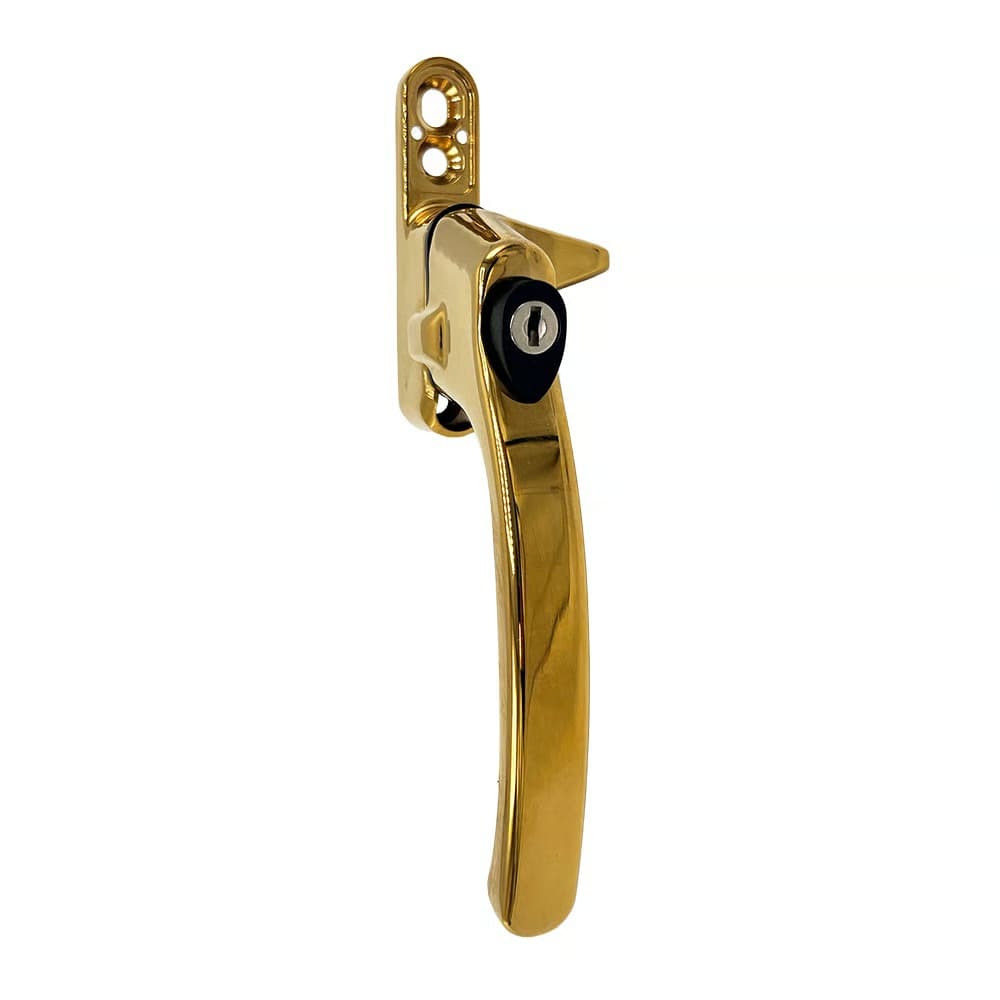
Common types include espagnolette (espag) handles for casement windows, cockspur handles for older or timber windows, and lockable lever handles for enhanced security. For modern uPVC and aluminium windows, espag handles provide robust multi-point locking when paired with an espag mechanism. For traditional timber sash or casement windows, the TSS Cockspur Window Handle is a durable option that suits period styles while offering straightforward replacement.Tradespeople fitting new or replacement hardware should match handle type to the existing locking mechanism and keep measurements of spindle length, screw centres and backset to ensure compatibility.
How to choose the right handle and lock for security
Security starts with matching the handle to the locking mechanism and the standard required for the property. Choose handles rated for multi-point locking systems and consider lockable options on accessible ground-floor windows. A high-quality espag handle, such as the TSS Cockspur Window Handles, is designed to work with sturdy espagnolette mechanisms and often features reinforced components to resist forced entry.For added protection, fit handles with an internal lock cylinder or use handles that are compatible with security bolts and keyed locks. Ensure the overall window hardware meets current British Standards and that the frame, hinges and keeps are in good condition — a strong handle cannot compensate for a rotten frame or loose keeps.
How to measure for a replacement handle or lock
Accurate measurements prevent returns and refitting delays. Key measurements include:- Backset: distance from the face of the handle rose to the centre of the spindle or locking cam.
- Spindle length: measure the exposed square spindle end from the handle side, accounting for the thickness of any escutcheon or rose.
- Screw centres: distance between fixing screws on the handle plate.
- Lock case type: identify whether the window uses an espag, shootbolt or night vent mechanism.
How to fit a new handle: step-by-step
Fitting a replacement handle is often straightforward for competent DIYers and essential knowledge for tradespeople. Typical steps: 1. Remove the old handle by unscrewing the fixing screws and withdrawing the spindle. 2. Clean the area and inspect for damage to the frame or lock case. 3. Align the new handle’s spindle with the mechanism and insert it, ensuring it engages fully. 4. Refit and tighten screws evenly to avoid distorting the handle plate or rose. 5. Test the handle through its full travel to confirm smooth operation and secure locking into keeps.When replacing a handle on multi-point systems, check that the locking points engage simultaneously. For uPVC windows, take care not to overtighten screws which can strip the material; use appropriate thread inserts if necessary.
Maintenance tips to extend lifespan
Regular maintenance reduces the need for replacements and preserves security:- Lubricate moving parts twice a year with a dry PTFE or light silicone spray; avoid heavy oils that attract dirt.
- Clean around handles and locking mechanisms to prevent grit build-up.
- Check and tighten fixings annually; loose screws can lead to misalignment and premature wear.
- Inspect keeps and strike plates for elongation or damage and replace if necessary.
- Replace worn or bent spindles promptly to prevent damage to the lock case.
Troubleshooting common problems
Handle sticks or won’t turn: often caused by a stiff mechanism or misaligned locking points. Lubricate the mechanism, check for obstructions in the keeps, and ensure screws are tight. If the problem persists, inspect the espag mechanism for wear or broken gears.Handle rotates but lock won’t engage: this indicates a disconnected or failed spindle, worn cams, or damaged keeps. Remove the handle to examine the spindle and engage the mechanism manually to isolate the fault.
Loose or sagging handles: typically loose fixings or stripped screw holes. Use slightly longer screws or plastic/metal inserts to restore a secure fix. If the rose or plate is cracked, replace the handle.
Key stuck in lock: do not force. Apply a graphite lubricant or an approved lock lubricant; gently work the key in and out. If the key remains stuck, call a locksmith to avoid breaking the key or damaging the cylinder.
Upgrading windows for accessibility and safety
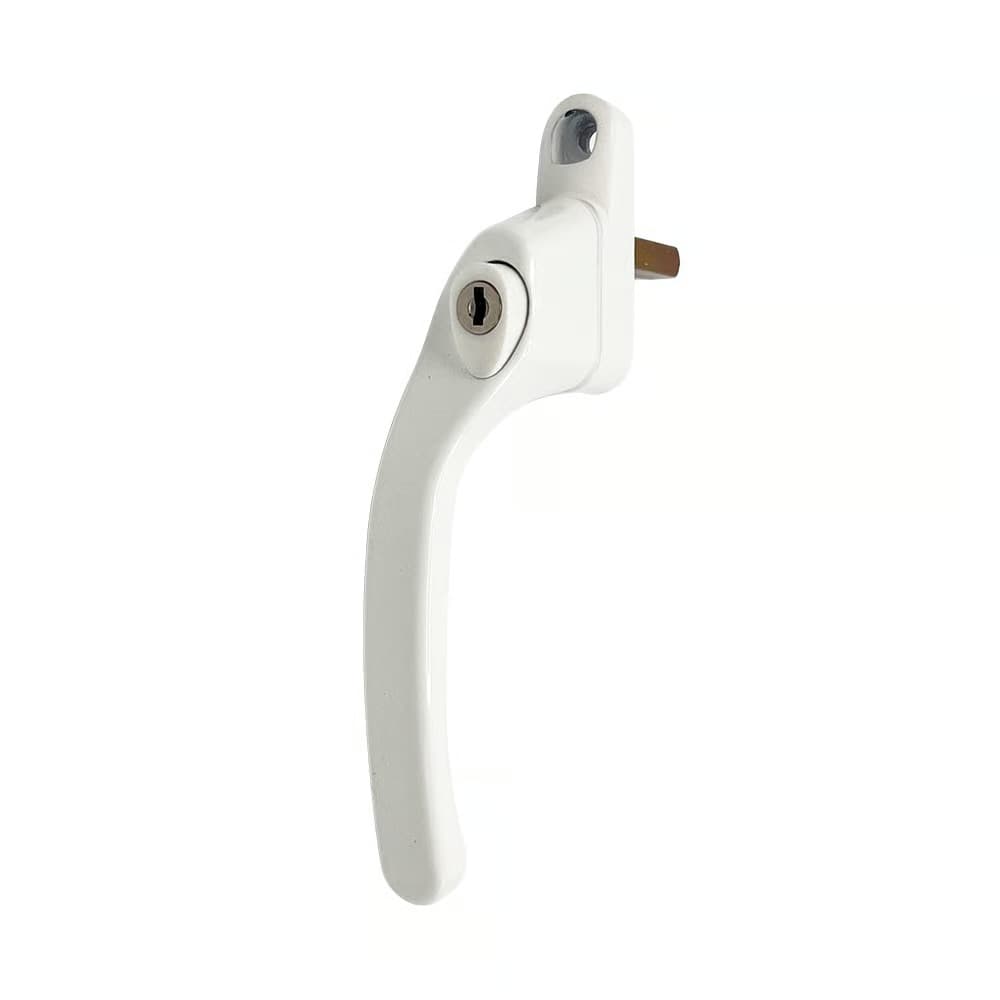
Consider lever-operated lockable handles for users with limited dexterity and anti-slam or restrictor mechanisms for child safety. For trade installations in accessible properties, ensure handles comply with relevant building regulations and accessibility guidance.Choosing robust and compatible hardware, such as the TSS Offset UPVC Window Handles, ensures reliable operation while meeting homeowners’ expectations for appearance and security.
Final checklist before purchase or installation
- Confirm handle type matches the lock case (espag, cockspur, sash).
- Measure spindle length, screw centres and backset accurately.
- Choose the appropriate finish and corrosion resistance for the environment.
- Select lockable handles for accessible ground-floor windows or high-risk properties.
- Inspect surrounding frame and keeps; replace if damaged before fitting new hardware.