Window Handles and Locks for uPVC: What to Check Before Buying
Choosing the right window handles and locks for uPVC frames requires more than matching aesthetic tastes. Correct selection ensures smooth operation, weath...
Choosing the right window handles and locks for uPVC frames requires more than matching aesthetic tastes. Correct selection ensures smooth operation, weather-tight performance and, crucially, security. This guide provides practical checks for homeowners and tradespeople to perform before buying replacement or new hardware so installations are safe, compliant and long-lasting.
Identify the hardware type and operation
Begin by identifying the existing hardware type and how the window operates. Common uPVC mechanisms include espagnolette multipoint drives on casement windows, cockspur handles on older or tilt-and-turn units, and simple lever handles on top-hung or side-hung windows. Confirm whether the window is inward or outward opening, and whether it uses a gearbox, espagnolette rod or single-point latch.
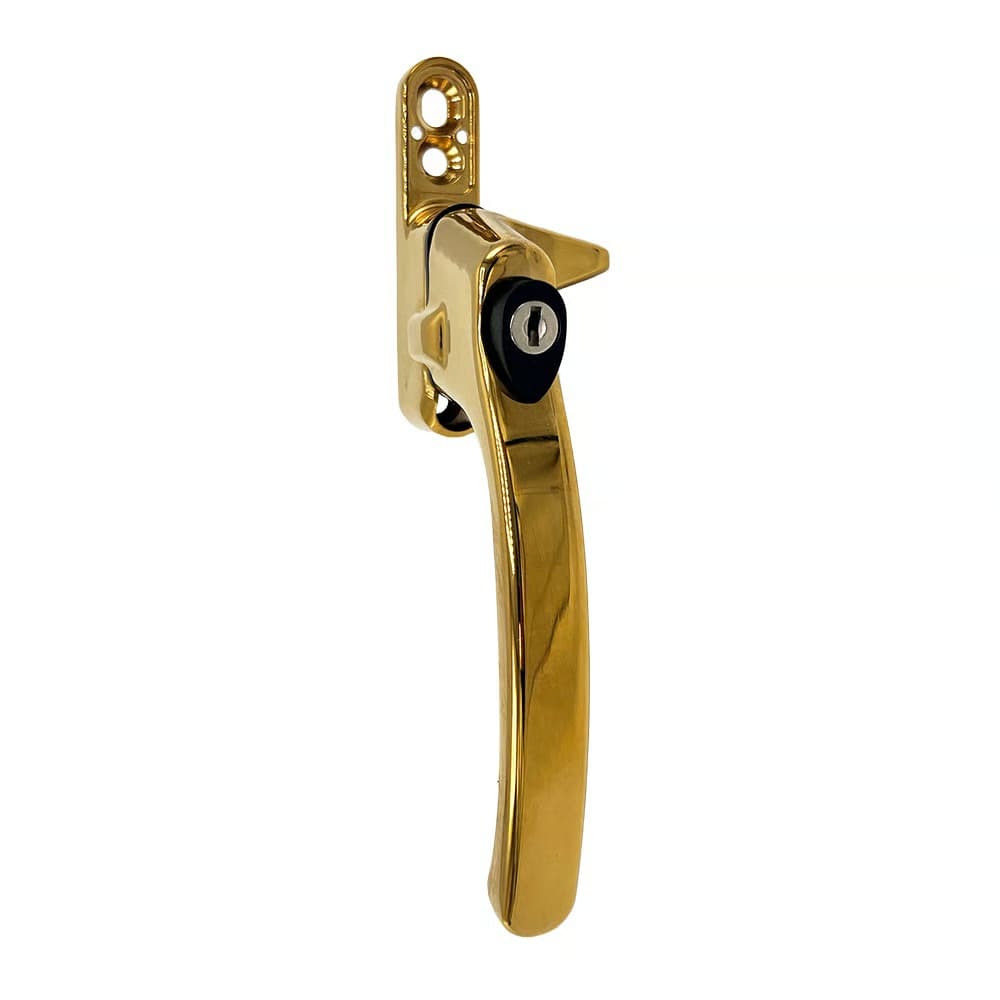
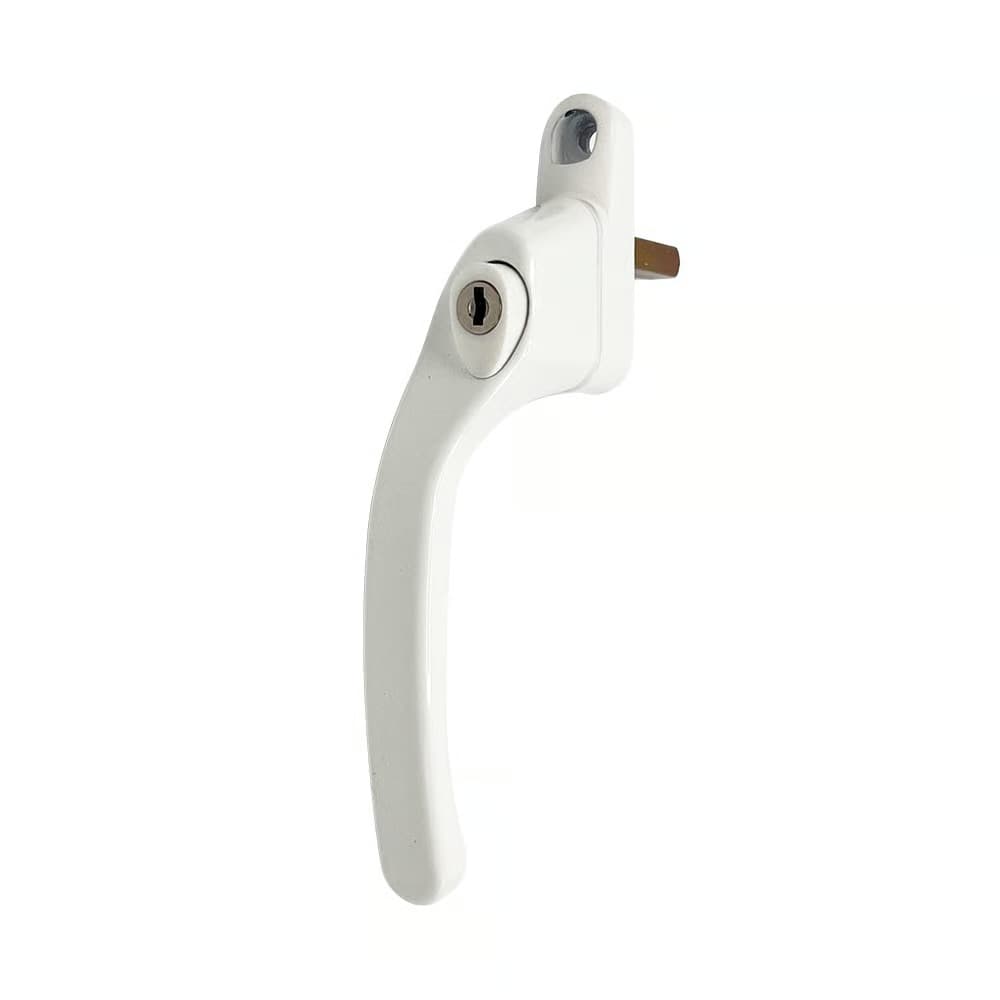
For a robust espag option consider the TSS Cockspur Window Handles, which suits many modern multipoint systems. For older, surface-mounted applications, the TSS Cockspur Window Handle remains a reliable choice. For keyed security on commonly used casements, the TSS Offset UPVC Window Handles offers a good balance of cost and functionality.
Measure accurately before ordering
Accurate measurements prevent returns and refits. Key dimensions include:
- Backset: distance from the handle spindle centre to the edge of the frame.
- Spindle length and thickness: confirm whether a square 7mm spindle is used or other sizes; measure the protruding spindle on the sash.
- Fixing hole centres: measure distance between screw holes on the handle rose or backplate.
- Handle projection and clearance: ensure the handle will not strike a sill, brickwork or curtains when operated.
Check locking mechanism compatibility
Ensure the handle matches the window’s locking mechanism:
- Espag/espagnolette handles operate a gearbox and rod; ensure the handle has the correct top/bottom gearbox interface and spindle arrangement.
- Cockspur handles require a hooked keep on the frame; check keep position and hook engagement.
- Keyed handles must match the cylinder type if using a separate cylinder; measure cylinder length if relevant.
Security and certification checks
Prioritise locks that meet recognised standards. Look for compliance with:
- PAS 24: enhanced security test for doors and windows (especially important for ground-floor rooms).
- Secured by Design preferences for police-preferred specifications.
- 1 star, 2 star or 3 star cylinder ratings for anti-snap protection where cylinder locks are used.
Consider cylinder and master-keying requirements
If the handle incorporates a cylinder, check:
- Cylinder profile and keying: whether it is euro profile, oval, or rim cylinder.
- Overall cylinder length: measure from each end to the centre screw.
- Anti-snap, anti-drill and anti-bump features: spec these for vulnerable locations.
Weatherproofing and maintenance
Good seals and proper handle engagement contribute to weather performance. Check that handles operate smoothly through the full travel and that locking cams and keeps engage without forcing. Replace any corroded or brittle keeps and ensure lubrication of moving parts with a light machine oil or silicone spray—not WD-40 as a long-term lubricant.
Regular maintenance steps:
- Clean with mild detergent and water; avoid abrasive cleaners.
- Tighten fixings periodically to prevent loosening.
- Lubricate gearbox and locks annually, especially in coastal locations where salt may accelerate corrosion.
Installation considerations for tradespeople
Professional installers should:
- Use correct fixings: stainless steel screws to avoid rust staining.
- Check handles are parallel and that roses sit flush to the frame to avoid water ingress.
- Verify that the handle spindle engages the gearbox at the correct depth to avoid binding or incomplete locking.
- Confirm that any new handles allow emergency egress where required by building regulations; e.g., sleep or escape windows must not be obstructed by non-quick release systems.
Common pitfalls to avoid
Avoid these frequent mistakes:
- Buying a handle based solely on appearance without checking spindle size and fixing centres.
- Assuming all keyed handles accept the same cylinder lengths or profiles.
- Failing to check the direction of travel and throw required for full multi-point engagement.
- Using incorrect screw types that react with uPVC and corrode.
Final checks before purchase
Before finalising an order, confirm:
- Measurements and handedness.
- Compatibility with the existing locking mechanism or the new cylinder specification.
- Security standard requirements for the location of the window.
- That replacement parts are suitable for the frame manufacturer if retaining warranty considerations.