Window Handles and Locks: How They Work Together
Window handles and locks are small components that have a big impact on security, functionality and the longevity of windows. Understanding how they intera...
Window handles and locks are small components that have a big impact on security, functionality and the longevity of windows. Understanding how they interact helps homeowners and tradespeople choose correct replacements, improve security and resolve common operational faults. This article explains the mechanics, compatibility considerations and practical steps for selecting and installing handles and locks that work together effectively.
How handles and locks interact
A window handle is the user interface for opening and closing a window, while the locking mechanism secures the sash to the frame. In many modern windows these two parts are integrated: operating the handle engages or disengages the locking points of the espagnolette or multipoint system. For simple windows, such as casement or sliding windows, handles often operate an internal spindle that moves the locking mechanism.
Compatibility is crucial. The handle's spindle length, screw centres and the type of lock it drives must match the mechanism inside the profile. Using an incompatible handle can lead to poor engagement of the lock, increased wear or even failure to secure the window.
Common types and where they suit best
- Espag (espagnolette) handles: Common on timber and uPVC casement windows. These drive a multi-point espagnolette gearbox that operates locking cams or hooks along the sash. A quality example is the TSS Cockspur Window Handles, designed to work smoothly with standard espag gearboxes and improve security through robust materials.
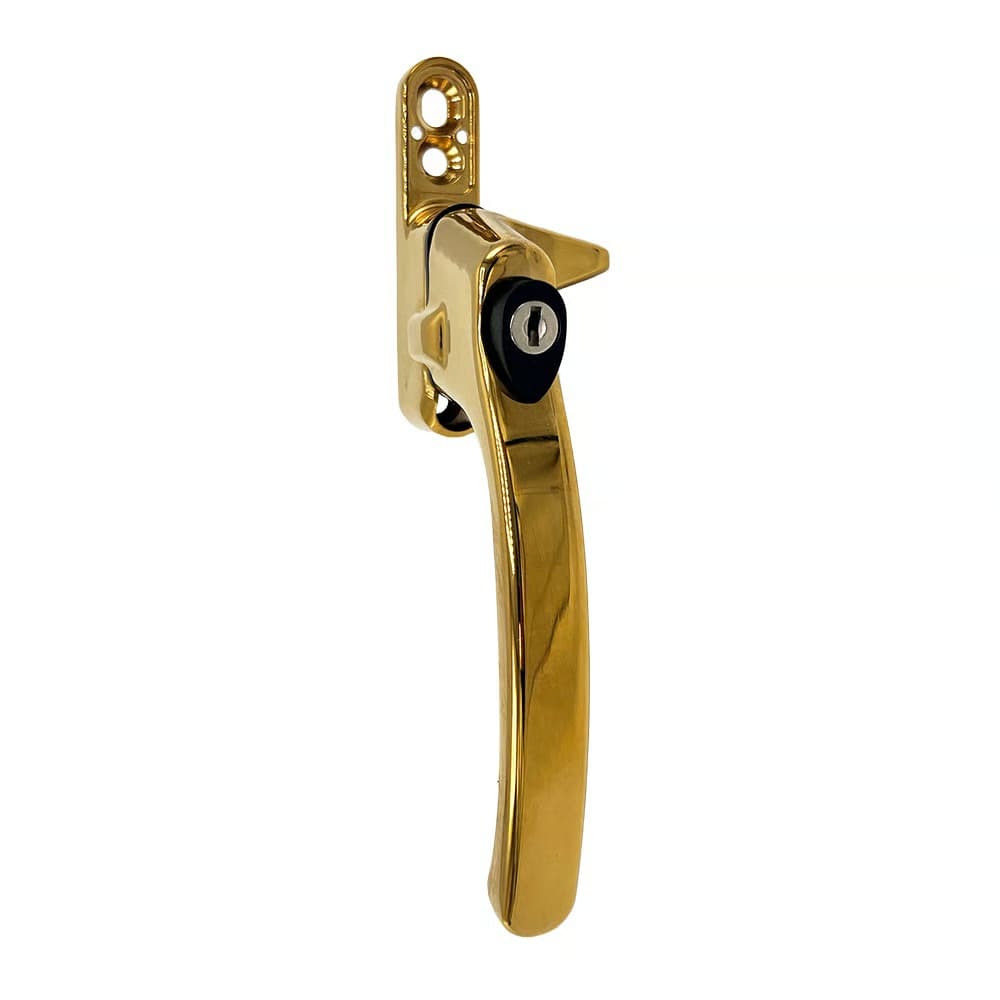
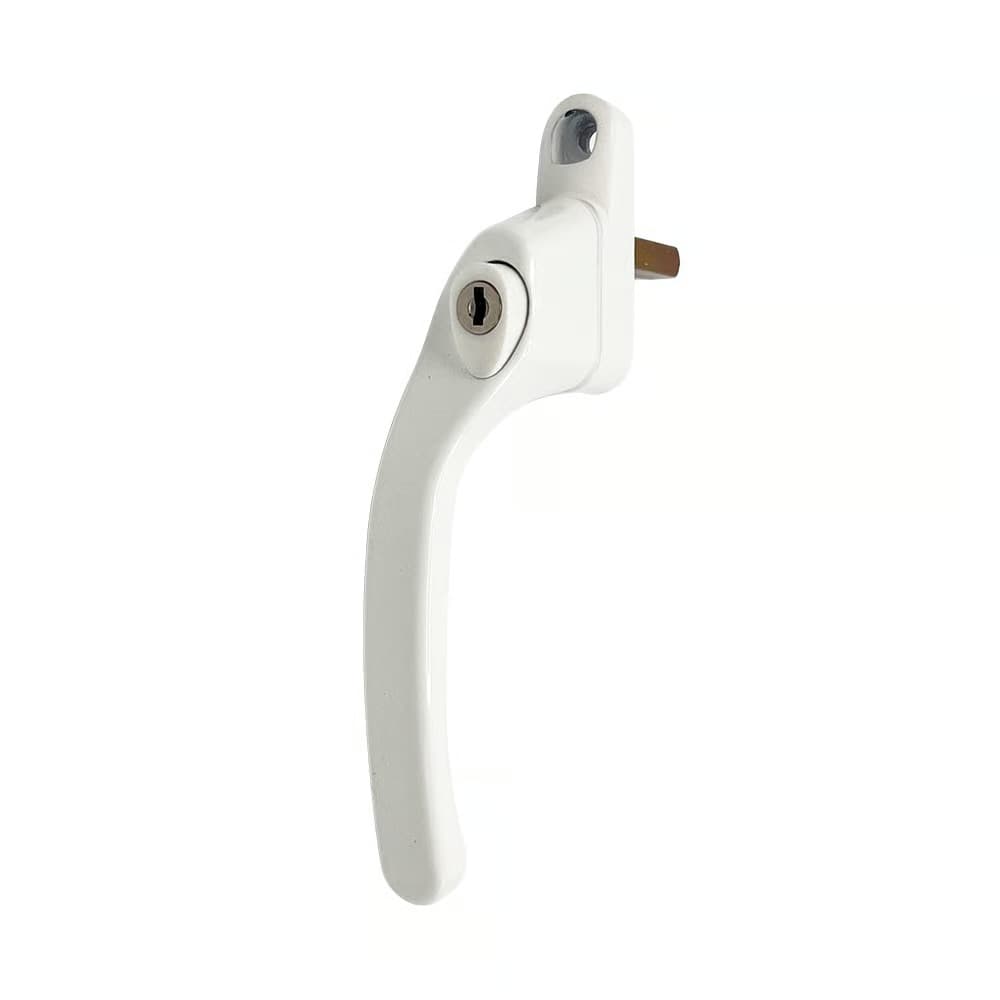
- Cockspur handles: Typically used on side-hinged aluminium and older timber windows. The handle engages directly with a keep on the frame. Cockspur types are straightforward and easy to fit; the TSS Cockspur Window Handle is a durable option well suited to refurbishment projects.
- Tilt-and-turn and other specialised handles: These often incorporate more complex mechanisms or restrictors and are built for specific hardware sets. Some major brand handles, such as the TSS Offset UPVC Window Handles, are manufactured to tight tolerances and match brand-specific locking gear.
Assessing compatibility before buying
Practical checks before purchase avoid installation issues:
- Measure spindle length: Remove the old handle and measure the spindle from the handle face to the end. Common lengths include 35mm, 40mm and 45mm, but bespoke frames exist. Record exact measurement to ensure a handle can reach and operate the gearbox.
- Measure screw centres: Distance between fixing screws (centre to centre) must match to ensure a secure fit and correct alignment.
- Identify mechanism type: Look at the gearbox or lock type—espag, gearbox with locking cams, cockspur etc. Photograph the existing hardware and label parts to cross-reference with replacement specifications.
- Check handle orientation and handedness: Left- or right-handed windows require handles with appropriate lever orientation. Many suppliers note handedness in the product description.
Practical installation tips for tradespeople and competent DIYers
- Safety first: Wear protective gloves and eyewear when removing glass-bead or working inside frames. Support the sash if necessary to prevent dropping.
- Remove handle properly: Open the window where possible and access the set screw (often under the handle lever). Unscrew the handle retaining bolts and gently remove to inspect spindle and fixing positions.
- Clean and lubricate internals: Before fitting a new handle, clean the gearbox and locking points of old grease and debris. Apply a light coating of multipurpose grease to moving parts to reduce wear and improve operation.
- Align handle and gearbox: Fit the new handle onto the spindle and loosely secure fixings. Operate the handle through its full travel to ensure cams or hooks engage correctly. Tighten screws only after correct engagement is confirmed.
- Check keeps and striker plates: Replace or adjust frame keeps so locking points engage without excessive force. Keeps worn or misaligned can give the impression of a faulty handle while the issue is with the frame fitting.
Improving security with handle and lock upgrades
Handles with integral key locks add a layer of security, particularly on ground-floor windows. Where multipoint keeps are present, ensure all locking points are functional: sometimes replacing a handle alone will not restore full security if the espag rod or gearbox is failing. Consider upgrading to a handle with enhanced security features such as reinforced bases, anti-snap spindles or sash restrictors for child safety.
For older timber or aluminium windows that use cockspur handles, replacing worn keeps and using a robust cockspur handle can make a substantial difference to resistance against forced entry. Correct torque on fixings and the use of countersunk screws where appropriate reduces leverage points.
Troubleshooting common faults
- Handle stiff or hard to operate: Check for dirt, seized gearbox or rust. Clean, lubricate and test. If the spindle turns but locking points do not move, the gearbox may be stripped and require replacement.
- Handle loose on spindle: Often caused by worn splines. A new handle with correct spindle diameter and fit is necessary; never overtighten as this can shear the spindle.
- Handle returns to neutral unexpectedly: This can be caused by worn springs inside the handle or an incomplete engagement with the gearbox—inspect and replace the handle if necessary.
- Locking points not engaging: Adjust keeps or replace the espag rod/gearbox if bent or damaged.
When to call a professional
Tradespeople should be engaged for complex multipoint systems, glass removal, or when the internal gearbox is inaccessible without specialist tools. Professional assessment is recommended if there is significant rot, corrosion, or evidence of forced entry. For routine handle replacements and straightforward gearbox swaps, a competent tradesperson or experienced DIYer can complete the work using the practical checks and steps above.
Maintenance routine to extend life
- Inspect handles and locks quarterly for smooth operation and tight fixings.
- Lubricate moving parts annually with a light grease or silicone spray, avoiding excessive application that attracts dirt.
- Replace worn keeps and screws promptly to prevent misalignment and stress on handles.
- Test key-operated handles periodically to ensure locks function and keys are not badly worn.