Window Handles and Locks: Maintenance to Prevent Stiff Operation
Good maintenance of window hardware extends the life of windows, improves security and keeps operation smooth. This article explains straightforward mainte...
Good maintenance of window hardware extends the life of windows, improves security and keeps operation smooth. This article explains straightforward maintenance tasks for homeowners and tradespeople to prevent stiff operation of window handles and locks, with practical tools, lubricants and replacement guidance.
Why regular maintenance matters
Dirt, corrosion, misalignment and worn fixings are the most common reasons for stiff operation. Small problems quickly become big ones: a seized handle can strip spindles, a misaligned sash can overload the locking mechanism, and neglect allows moisture to corrode metal parts. Regular checks catch issues early and reduce the need for costly replacements.
Basic inspection routine
Carry out this simple routine every six months, and after any storm or renovation work:
- Visual check: look for rust, cracked plastics, loose screws, missing keepers and signs of wear on the handle or lock cylinder.
- Functional check: operate every handle, locking and unlocking slowly to feel for stiffness or grinding.
- Seal and frame inspection: examine the surrounding gasket and frame for warping or trapped debris which can impede movement.
- Security check: ensure bolts engage fully and the keep or strike plate is undamaged.
Cleaning and removing grit
Grit and paint build-up are common causes of stiffness. Use these steps to clean moving parts:
- Remove surface dirt with a soft brush or vacuum nozzle to pull out loose debris from the handle recess and keep.
- Clean metal parts with a mild detergent and warm water. Avoid strong solvents on plastic or painted finishes.
- For stuck paint, soften with a suitable paint stripper applied carefully, or use a plastic scraper to avoid damage.
- Dry thoroughly with a lint-free cloth. Moisture left in the mechanism accelerates corrosion.
Lubricants: what to use where
Choosing the correct lubricant prevents further problems. Different formulations suit different parts:
- Multipoint and espagnolette mechanisms: a light machine oil or specialist window and door lubricant sprayed into the gearbox and sliding parts keeps things moving without attracting too much dust. Silicone spray is also suitable on metal-to-metal and metal-to-plastic interfaces.
- Handle spindles and pivot pins: a drop of light oil (e.g. 3-in-1 or similar) applied to the spindle can free a stiff handle.
- Lock cylinders: powdered graphite lubricant is preferable for euro cylinders and mortice locks because it does not gum up over time. Avoid oil-based sprays inside lock barrels.
- Hinges and friction stays: a small amount of silicone or light oil on pivot points prevents creaking and stiffness.
Tightening, adjustment and alignment
Loose fixings or a misaligned sash often cause hard-to-operate handles and locks:
- Tighten screws on handles and backplates using the correct screwdriver or hex key. Over-tightening can strip threads, so ensure the screw seats firmly.
- Check the keep/strike plate alignment. If bolts hit the keep before fully engaging, adjust the keep position by loosening its screws and re-siting slightly. For timber frames, fill worn holes with a wooden dowel and glue before reinstalling the keep to restore grip.
- For espagnolette systems, ensure the gearbox is centred and the rods or linkages engage the top and bottom keeps evenly. Misaligned rods can be eased by adjusting the rod clips or replacing bent rods.
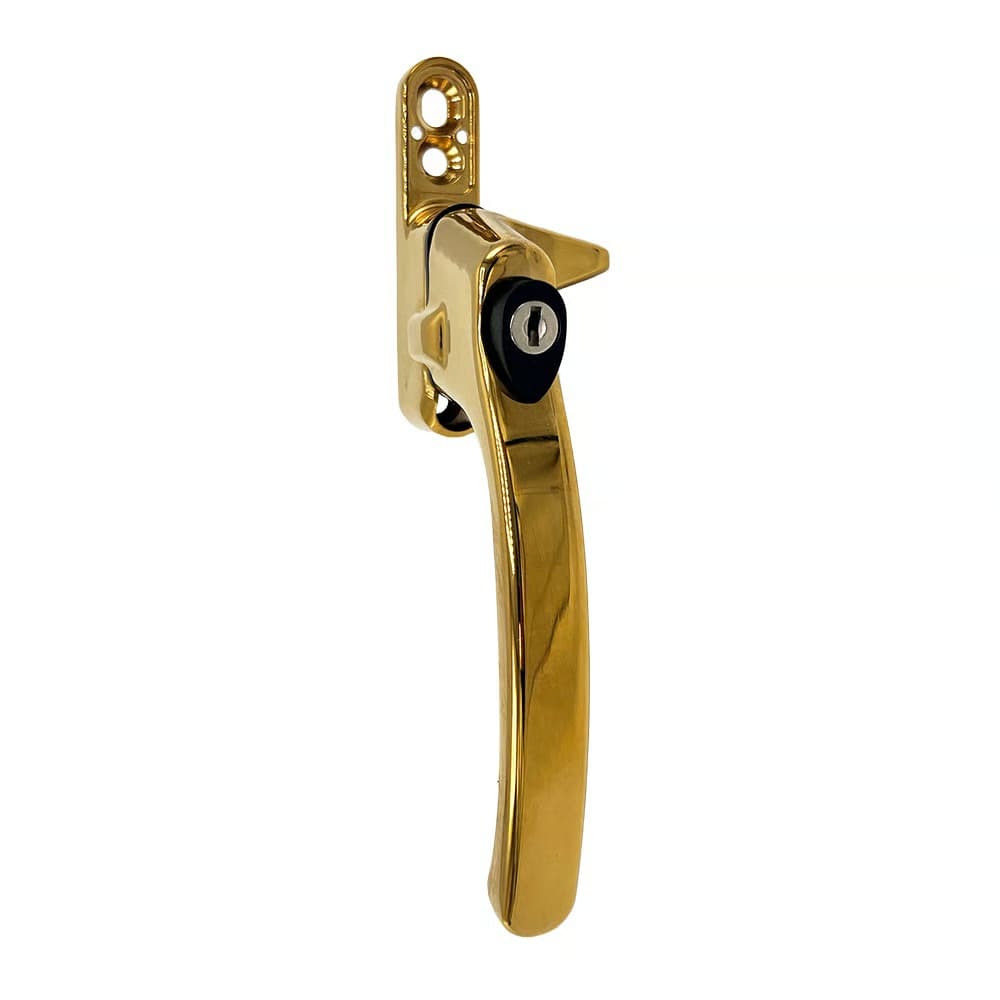
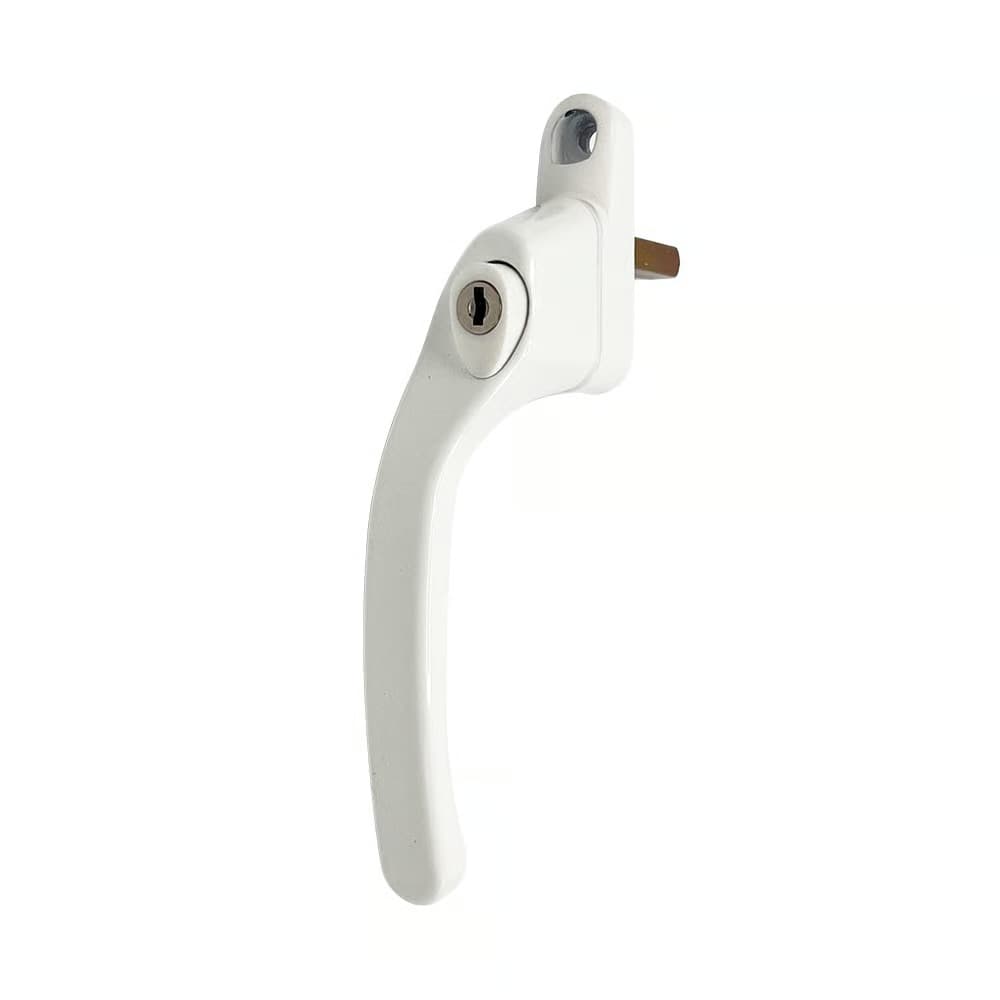
- For casement windows with cockspur mechanisms, ensure the handle engages squarely and the hook or spur aligns with the striker to prevent jamming.
When to replace components
Some symptoms indicate replacement rather than repair:
- Stripped spindle or heavily worn gear teeth in the gearbox.
- Cracked or loose handles that cannot be tightened securely.
- Corroded or seized lock barrels where lubrication has failed.
- Broken keeps or severely worn striker plates.
When replacing parts, match spindle length and fixing centres exactly. For traded work, keep common spindle sizes and a variety of handles in stock for swift on-site replacements.
Preventative measures
Simple preventative steps extend service intervals:
- Avoid slamming windows; guide sashes in and out of keeps.
- Remove accumulated paint around handles and locks during redecorations.
- Apply a light maintenance lubrication annually and graphite in lock barrels once a year.
- Use correct cleaners for finishes — avoid solvents on powder-coated or anodised surfaces.
- Fit draught excluders and ensure proper ventilation to reduce condensation-related corrosion.
Records and periodic servicing
Tradespeople should keep a maintenance log for multi-property work: dates of inspections, parts replaced and recommendations for follow-up. Homeowners benefit from an annual service schedule and a list of compatible replacement parts and suppliers.
Regular, practical maintenance prevents stiff operation, improves security and extends the life of window hardware. Adopting a simple six-month inspection routine, using suitable lubricants and replacing worn components promptly keeps windows operating smoothly and securely.