Window Handles and Locks: Replacing the Handle vs the Gearbox
Homeowners and tradespeople frequently face the choice between replacing a window handle or renewing the gearbox (espagnolette mechanism) when a window bec...
Homeowners and tradespeople frequently face the choice between replacing a window handle or renewing the gearbox (espagnolette mechanism) when a window becomes stiff, loose or fails to lock. The correct decision saves time, money and ensures continued security and weatherproofing. This article explains how to diagnose the fault, the pros and cons of each option, practical replacement tips and when a full mechanism replacement is necessary.
Diagnosing the problem: handle or gearbox?
Understanding where the failure lies is the first practical step. Often the visible handle only shows symptoms: a loose spindle, worn finish or a stripped screw. Other times the problem is internal — the gearbox may have broken cams, snapped rollers or failing mushroom cams that prevent the locking points from engaging.
Signs a handle is at fault:
- Handle feels loose on the spindle or wobbles even with screws tightened.
- Handle return spring is weak, so the handle droops.
- Cosmetic damage, corrosion or broken handle lever.
- Handle turns freely but locking hooks or bolts do not move.
- The handle operates with inconsistent resistance or sticks at certain points.
- Locking keeps failing under load or the window will not stay closed.
Replacing the handle: quick, low-cost fix
Replacing a window handle often resolves mechanical and cosmetic problems quickly. It is the least disruptive option and can usually be completed in 15–30 minutes.
Practical steps: 1. Identify the handle type (espag, cockspur, lever, monkey tail) and spindle size. Common spindle sizes are 7mm square but older or specialist windows may differ. 2. Remove the screws from the rose or backplate and slide the handle off the spindle. 3. Check the spindle and the rose fixings. Clean away dirt or paint that may prevent a snug fit. 4. Fit the replacement handle, ensuring the spindle is the correct length and engages fully. Tighten the fixing screws evenly but avoid overtightening which can strip screws or deform the rose.
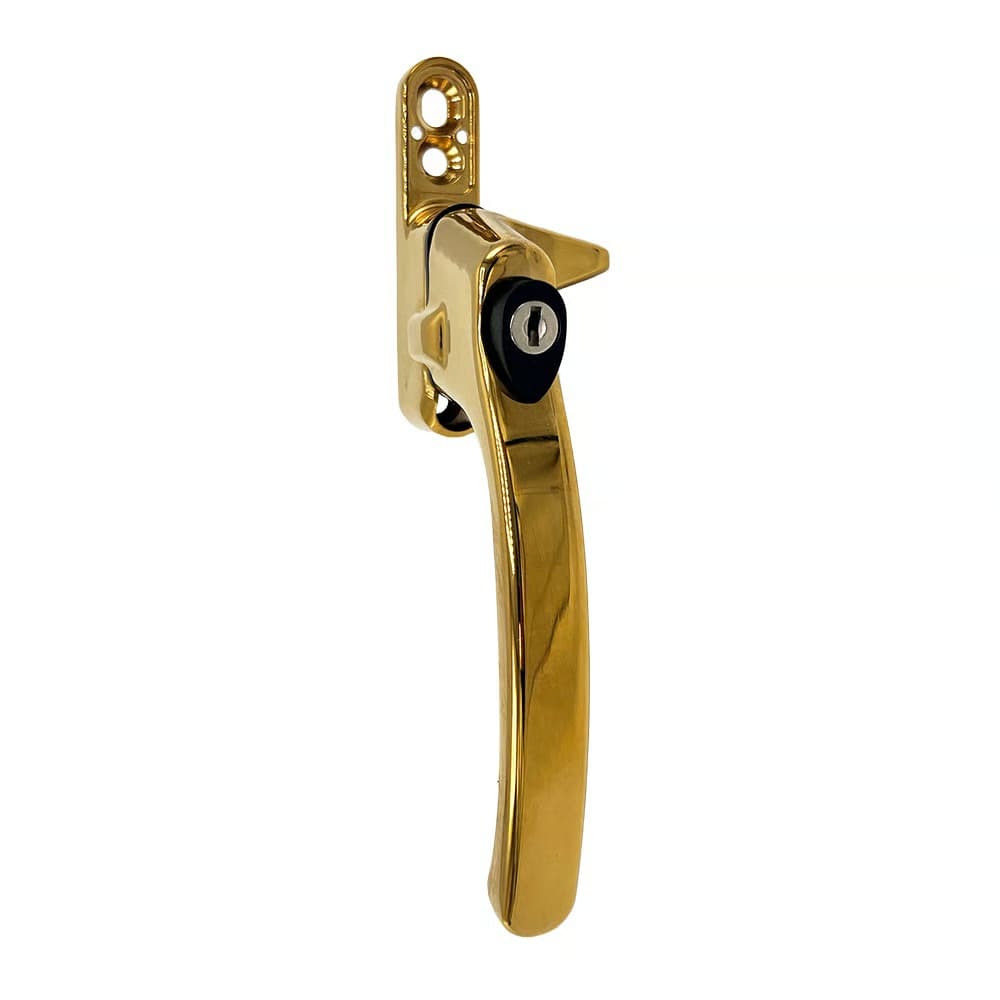
For popular modern systems, a direct replacement handle such as the TSS Cockspur Window Handles fits securely and restores smooth operation. For older timber or metal-framed windows, a durable option like the TSS Cockspur Window Handle can be fitted where the cockspur style engages on the face of the frame rather than using an espagnolette.
When to replace the handle:
- Cosmetic wear or broken lever.
- Loose handle due to stripped rose or failing spring.
- Where the gearbox functions correctly and locking points operate as intended.
Replacing the gearbox: when it’s essential
The gearbox or espagnolette is the central locking mechanism that links the handle to multiple locking points around the window. Replacement is more involved but essential when the internal mechanism is damaged.
Signs that indicate gearbox replacement:
- Broken cam or follower causing a complete failure to lock.
- Snapped gear teeth or worn actuator that causes intermittent locking.
- Corrosion inside the profile preventing smooth movement.
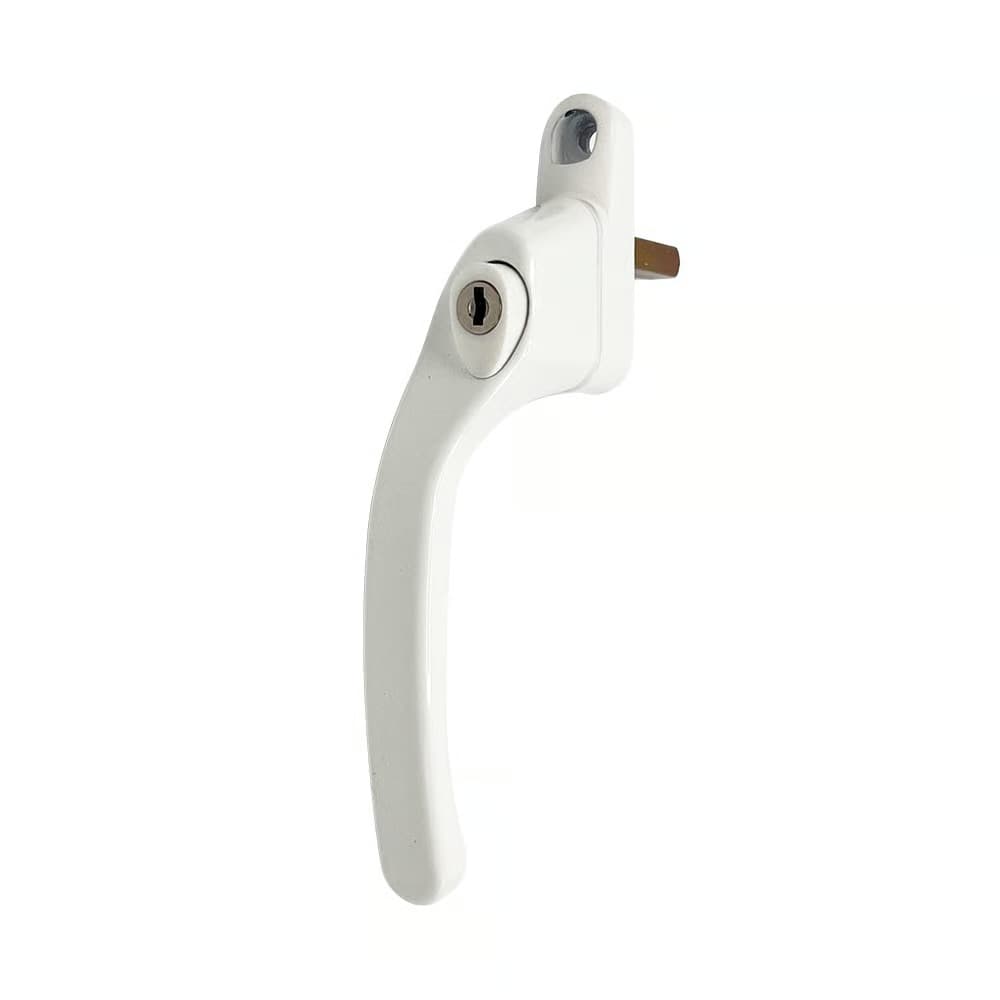
For quality replacement handles that complement a new gearbox, products such as the TSS Offset UPVC Window Handles are designed to work with modern multipoint systems and provide reliable operation.
Benefits of gearbox replacement: restores full security and function, resolves internal wear that handle replacement alone cannot, and can extend the life of the window by several years.
When to consider full renewal or professional help
In some circumstances, replacing a single component is insufficient:
- The window frame is warped, causing misalignment of locking points.
- Significant corrosion or rot in the sash or frame compromises fixing points.
- Multiple failures or aged systems where spare parts are obsolete.
Practical tips to prolong the life of handles and gearboxes
- Regular maintenance: clean and lubricate moving parts annually with a light machine oil or silicone spray suitable for windows.
- Avoid overtightening handles and screws; use torque appropriate to the material.
- Replace worn handles promptly to prevent damage to the gearbox from a slipping or misaligned spindle.
- Keep the window tracks and drainage clear to prevent water ingress and corrosion of internal mechanisms.
- Use the correct replacement parts: match spindle sizes, gearbox lengths and fixing hole positions to avoid binding.