Window Handles and Locks: Step-by-Step Replacement Guide
Replacing worn or faulty window handles and locks restores security, improves operation and can give an older frame a refreshed finish. This guide explains...
Replacing worn or faulty window handles and locks restores security, improves operation and can give an older frame a refreshed finish. This guide explains the steps to replace window handles and locks for common PVCu, timber and aluminium windows. It covers preparation, removal, fitting and basic adjustment with practical, actionable advice suited to homeowners and tradespeople.
Safety, tools and parts checklist
Safety first: wear safety glasses and gloves when handling glass or broken parts. If a window is painted shut or has sealed units, take extra care to protect the glass and seals.
Essential tools:
- Cross-head and flat screwdriver sets
- Torx set (T15, T20 commonly used)
- Tape measure and ruler
- Pencil or marker
- Spirit level
- If replacing espagnolette hardware, a hex key or handle-specific tool
- Loctite or threadlocker (optional for screws)
- Replacement handle, spindle, or espag lock mechanism as required
- Correct handle type and fixation centres (e.g. 43mm, 92mm)
- Spindle length and profile for handles
- Centre case or espag lock size for casement windows
- Screw length compatible with the window frame
Identify the type of handle and locking mechanism
Accurately identifying the handle type and lock is essential. Common types include:
- Espagnolette (espag): operates a spindle and rods within the frame; common on modern uPVC and aluminium windows.
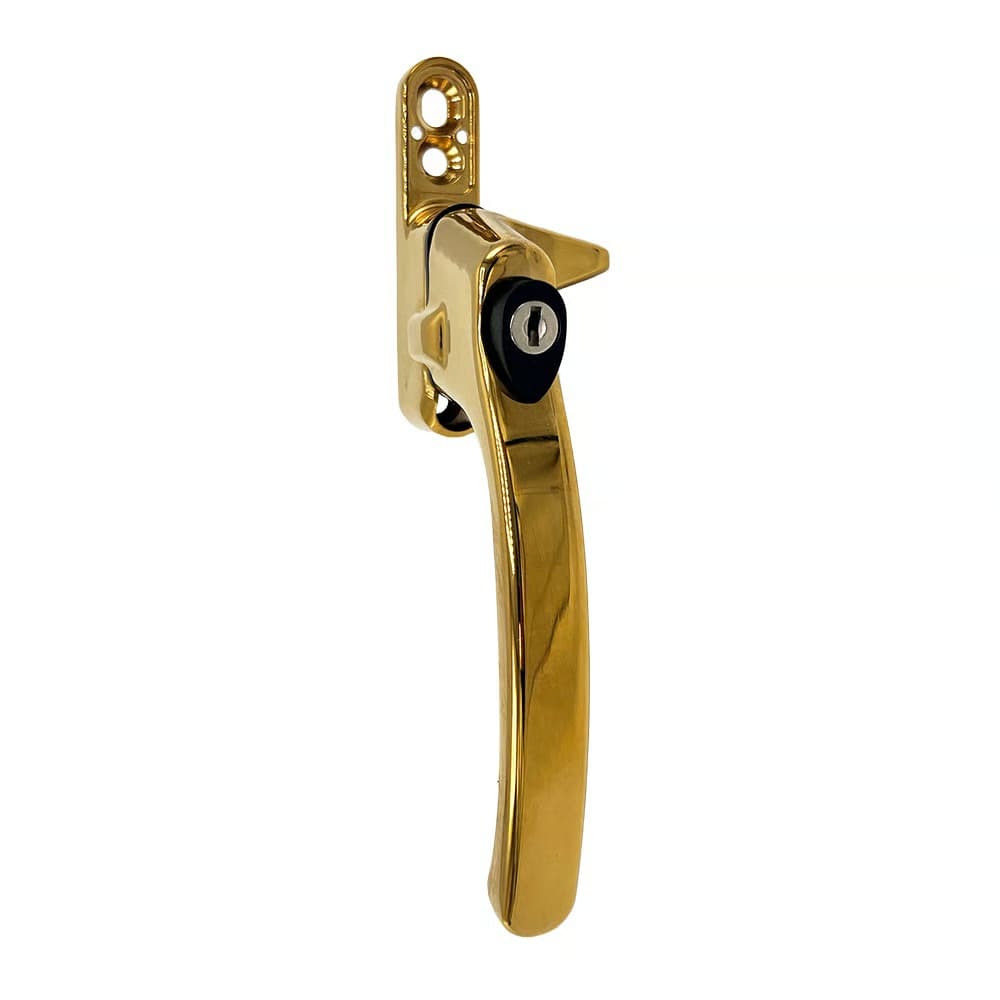
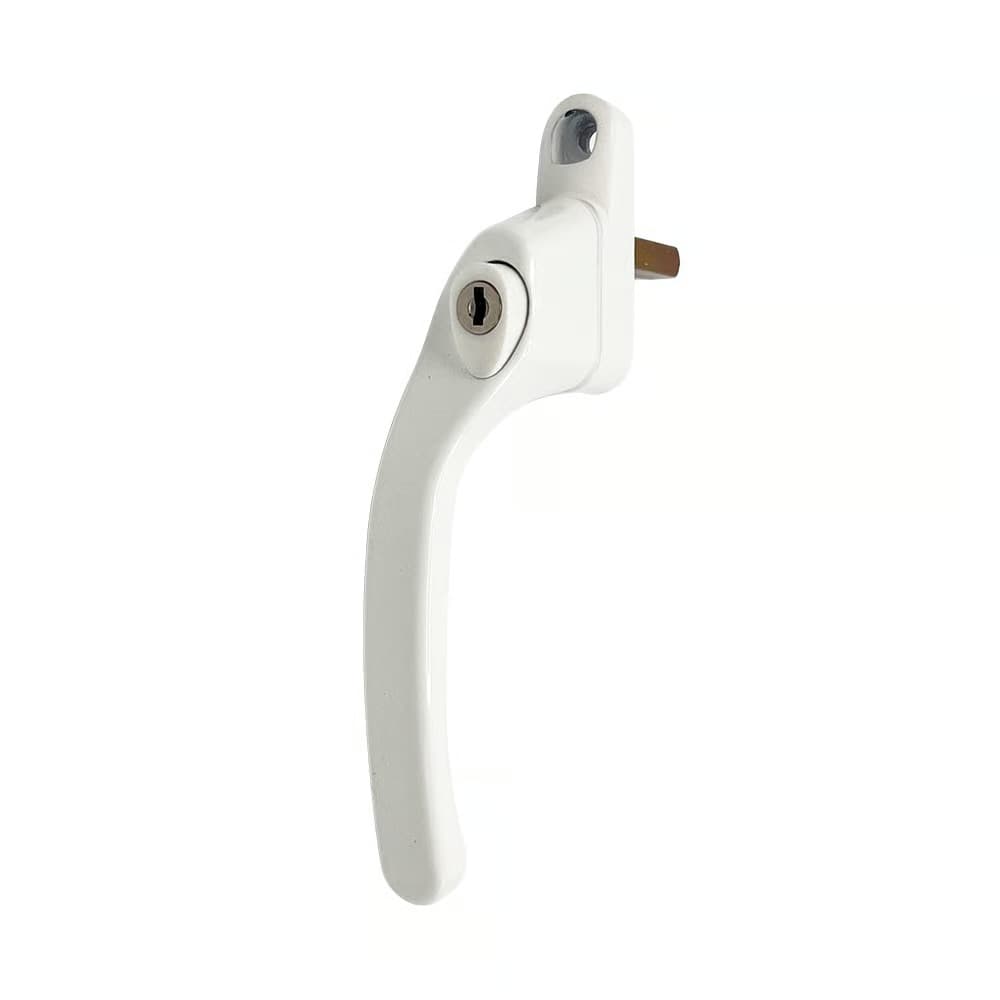
- Cockspur: a surface-mounted handle that hooks onto a keep; typically found on older uPVC and timber.
- Locking lever handles: incorporate a cylinder and are used on doors and some full-height windows.
Removal: step-by-step
1. Open the window to a safe working position and support the sash if necessary. 2. Remove any decorative cover from the handle. Covers are usually clipped or secured with a small screw. 3. Unscrew the handle fixings. Keep screws in a labelled bag for reuse if they are undamaged. 4. Withdraw the handle from the spindle. For locked handles, ensure the mechanism is in the unlocked position to avoid damage. 5. For espag systems, remove the sash or access the espag centre case by opening the sash fully and releasing the hinge keep if required. Unscrew the centre case or unscrew the espag from the sash edge. 6. For cockspur handles, unhook and remove the handle and then withdraw the spindle or locking pin.
Document the orientation of components as they are removed (photographs help) to ensure correct reassembly.
Preparation before fitting replacements
- Clean the area and remove paint build-up or corrosion from the mating surfaces.
- Check the frame and sash for any rot or structural damage; repair before fitting new hardware.
- If the new handle requires a different spindle length, adjust or trim the spindle to suit. The spindle should protrude enough to engage fully with the handle but not so long as to bottom out.
- Test-fit the new handle in position to confirm screw alignment and clearance.
Fitting a new handle and lock: practical steps
1. Place the new handle over the spindle or position the escutcheon plate for cockspur types. 2. Ensure the handle sits flush and is aligned vertically or horizontally as required by the window operation. 3. Insert and tighten the fixing screws evenly to avoid twisting the handle. Use a spirit level if necessary to maintain correct orientation. 4. For espagnolette replacements, refit the espag rod or centre case into the sash and secure the fixing screws. Check that the locking points engage smoothly when the handle is turned. 5. Reattach any decorative covers. 6. If the handle is part of a locking system with a key cylinder, check key operation and ensure the cylinder aligns with the faceplate.
Use threadlocker on screws if vibration or loose screws are a recurring issue, but avoid over-tightening which can strip screw holes in uPVC.
Adjustment and testing
- Open and close the window several times to verify smooth operation and that all locking points engage correctly.
- If the handle feels stiff or does not fully engage, adjust striker keeps or hinge settings to relieve binding.
- For espag systems, inspect the locking rods for correct engagement along the frame and adjust the rod length or replace worn rods if necessary.
- For cockspur handles, ensure the hook sits securely into the keep without excessive play.
Common problems and quick fixes
- Loose handle: tighten screws; use longer screws if the original thread no longer holds.
- Handle drops or wobbles: replace the spindle or the handle backplate; spacers can be used to remove play but replacement is preferred.
- Lock won’t engage: check for misaligned keeps or swollen timber; plane the frame or adjust keeps as needed.
- Corrosion: replace corroded components and treat adjacent metal with a rust inhibitor.
Maintenance tips for longevity
- Clean handles periodically with a mild detergent and dry thoroughly.
- Lubricate moving parts annually with a light machine oil or silicone spray; avoid heavy greases that attract dirt.
- Inspect screws and fixes annually and re-tighten as needed.
- Replace worn keeps and espagnolette rods promptly to prevent premature wear on new handles.