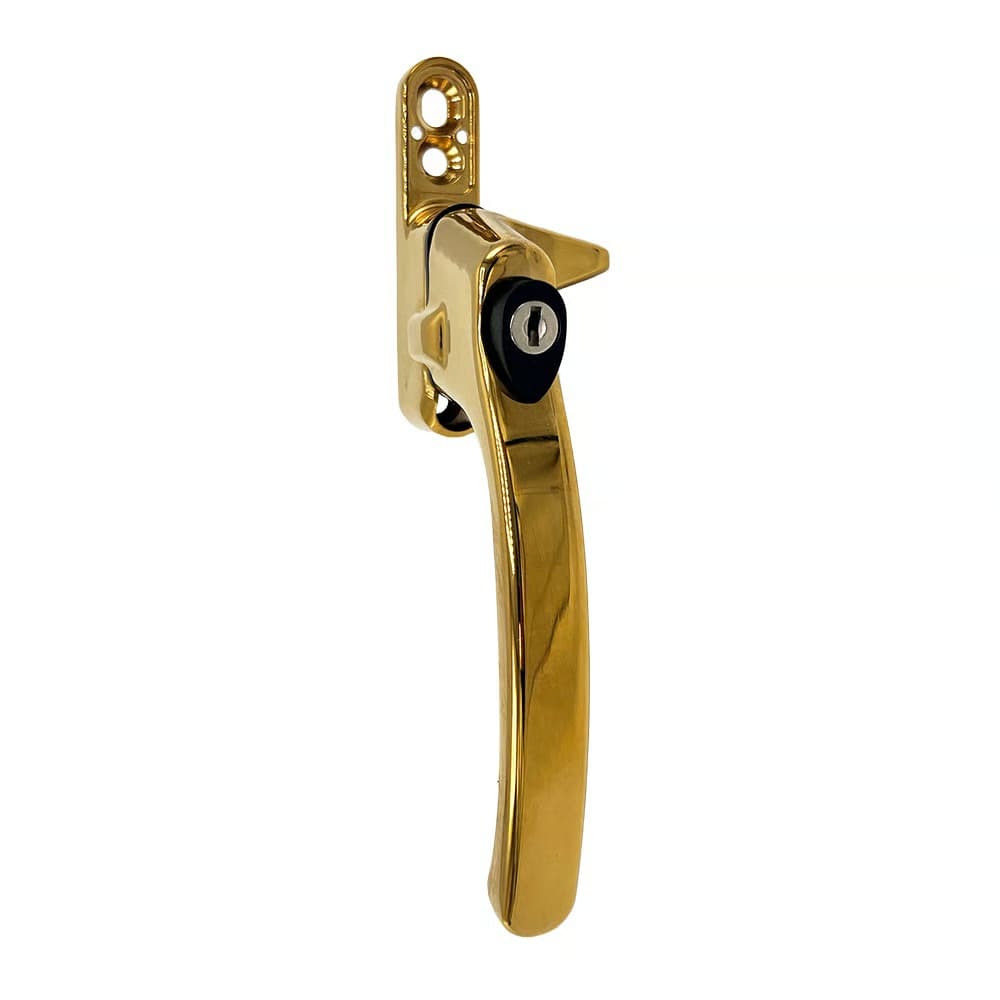
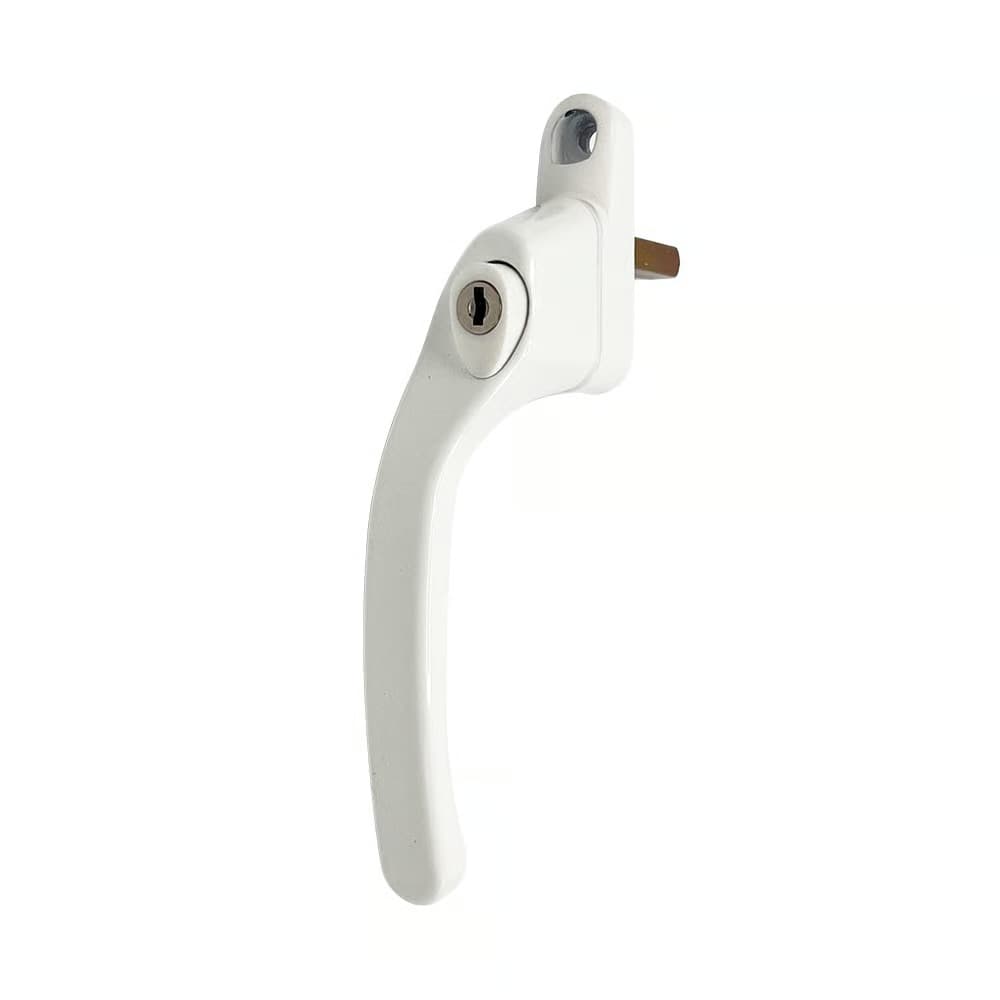
Window Handles and Locks: Upgrade to Locking Handles Simply
Upgrading window handles and locks can significantly improve security, functionality and appearance with relatively little disruption. Whether replacing wo...
Upgrading window handles and locks can significantly improve security, functionality and appearance with relatively little disruption. Whether replacing worn cockspur handles on older casement windows or fitting modern espagnolette locking hardware to uPVC frames, straightforward choices and practical steps make the project achievable for competent tradespeople and confident DIY homeowners alike. The following guidance covers selection, fitting and maintenance to ensure new hardware performs reliably and meets security expectations.
Choosing the right window handles and locks
Selection starts with understanding the window type and existing lock mechanism. Common categories include cockspur handles for side-hung casements, espagnolette/espag handles for multi-point locking systems, and lever or tilt-and-turn handles for European-style windows. Consider these factors:
- Function: Determine whether the handle needs a lock cylinder for key access, a push-button locking mechanism, or non-locking operation for internal rooms.
- Security rating: Look for handles and locking mechanisms designed to meet Secured by Design or equivalent recommendations for the most effective resistance to forced entry.
- Compatibility: Check spindle length, fixing hole centres and backset to ensure the new handle mates with the existing gearbox or espagnolette rod.
- Finish and ergonomics: Opt for corrosion-resistant finishes (e.g. polyester powder coat, anodised aluminium) for coastal locations and comfortable operation for frequent use.
Preparing for installation
Good preparation reduces installation time and avoids mistakes:
- Assess the existing mechanism: Remove the old handle carefully and inspect the spindle, gearbox and timber or uPVC around the fixing points for rot, deformation or obstructions.
- Measure precisely: Record spindle length, projection and the distance between fixing screws. Also confirm the thickness and material of the frame to choose appropriate fixings.
- Gather tools and materials: Typical requirements include a screwdriver set, Allen keys (hex), a tape measure, spirit level, thread locker (medium strength), replacement screws, and touch-up paint for repaired areas.
- Acquire replacement parts: If the espagnolette rod is bent or the gearbox is worn, order the full mechanism rather than only a handle to ensure long-term reliability.
Fitting tips for tradespeople and competent DIYers
Follow consistent procedures to achieve neat, secure installations:
- Align before fixing: Position the handle so the spindle enters the gearbox squarely. Misalignment causes binding and accelerates wear.
- Use thread locker: Apply a medium-strength thread locker to screw threads for handles on outward-opening windows to prevent loosening from vibration and use.
- Torque control: Tighten screws evenly and avoid over-torquing on plastic or uPVC covers which can crack. Hand-tight plus a small additional turn with a screwdriver is usually sufficient.
- Cylinder positioning: When fitting key-locking handles, ensure the cylinder is centred in its escutcheon to allow smooth key operation. Test with lubricant approved for locks, not general-purpose greases.
- Weatherstrips and keeps: Replace any compressed or damaged weatherseals and ensure keeps or strike plates are set to engage fully without forcing the handle. Adjust keeps on metal frame windows with shims or by loosening fixings and re-positioning.
Upgrading security — practical steps
An upgrade is not just cosmetic. Focus on the weakest points:
- Replace single-point locks on outward-opening windows with espagnolette systems that engage at multiple points for greater resistance to levering.
- Fit locking handles where windows are accessible from ground level or where an opening could provide access to intruders. Use key-locking or push-button variants based on user needs and emergency egress requirements.
- Reinforce timber frames with metal keeps or add additional screw fixings into the most secure part of the frame (the glazing rebate or main frame) rather than thin surface trim.
- Consider locks that are anti-snap and anti-drill for exposed cylinders.
Maintenance to prolong life and performance
Routine maintenance keeps window handles and locks functioning and secure:
- Clean and lubricate: Twice-yearly cleaning of moving parts and lubrication of keyways with graphite or a silicone-based spray prevents corrosion and sticking.
- Inspect regularly: Check for loose fixings, cracked plastics or paint blistering which can indicate moisture ingress. Tighten screws and replace worn components promptly.
- Replace rather than repair where necessary: Very corroded rods, warped gearboxes or cracked handles should be replaced, not merely patched, to retain security and operation.
- Record-keeping: Tradespeople should note the make, model and spindle size of fitted handles in job records for easy future replacement.
Practical considerations for landlords and builders
For multi-property work or new-build projects, standardisation saves time and cost. Specify consistent handle types, finishes and locking options across properties and maintain a small stock of common spare parts — spindles, screws and keeps — for responsive maintenance. Confirm compliance with building regulations and relevant fire egress provisions when fitting key-locking handles on escape windows.
Final checks and testing
After installation, perform functional testing:
- Operate each handle through its full range, checking smoothness and positive engagement of locking points.
- Test key operation several times to ensure no binding and that the cylinder turns freely.
- Confirm that weatherstrips compress evenly and that the window seals correctly when closed.
- If replacing multiple handles, check for consistent appearance and ergonomics.