Window Handles and Locks: When a New Handle Won’t Solve the Issue
Window handles and locks appear to be simple components, yet they are central to window security, weather performance and ease of operation. Many homeowner...
Window handles and locks appear to be simple components, yet they are central to window security, weather performance and ease of operation. Many homeowners and tradespeople instinctively replace a handle when a window becomes stiff or the lock won’t engage, but a new handle will not always solve the underlying problem. This article explains when a replacement handle is sufficient, when a deeper diagnosis is required and practical steps to get a lasting repair.
Common symptoms that suggest more than a handle problem
A loose or broken handle is visible and often the first sign of trouble, but these symptoms can indicate different root causes:
- Handle rotates but the espagnolette or locking mechanism does not move.
- The handle is stiff or difficult to operate throughout its travel.
- The window fails to lock properly despite the handle being in the closed position.
- Rattling, draughts or difficulty closing the sash fully.
- Corrosion, wear or visible damage to keep plates and keeps.
When a new handle will fix the issue
A new handle will generally solve the problem when the fault is confined to the handle itself:
- The handle is physically broken, cracked or has detached from its spindle.
- The internal gearing of the handle is stripped while the rest of the locking mechanism operates correctly.
- Cosmetic damage or corrosion affects the handle but not the spindle or lock mechanism.
When a new handle won’t solve the issue
Replace the handle only after confirming the handle is the failing part. Situations where a new handle will not remedy the problem include:
- The spindle turns without engaging the locking points — indicates a worn gearbox or damaged espagnolette.
- Multiple locking points are misaligned or one keeps snagging — suggests adjustment of keep plates or the locking gear is worn.
- Draughts or rattling while closed — points to poor compression seals, worn gaskets, or hinge failure.
- Rusted or seized components deep within the mechanism — a handle alone will not restore movement.
Practical diagnostic steps and fixes
1. Visual inspection: Remove the handle cover and check for loose screws, stripped gears, or broken plastic components. Look for corrosion on metal parts and for debris in the keep plates. 2. Test spindle engagement: With the handle removed, turn the spindle (using pliers gently) to see if locking points move. If they do not, the problem lies beyond the handle. 3. Check hinge alignment and friction stays: Ensure the sash closes to the frame squarely. Misaligned sashes cause increased resistance and poor sealing. Adjust hinge screws or friction stays as per manufacturer guidance. 4. Adjust keeps and striker plates: For multipoint systems, small adjustments to keep plates can re-establish proper compression and locking engagement. Loosen the keep screws, reposition slightly, then retighten and test. 5. Lubrication: Clean and lightly lubricate moving parts with a dry PTFE spray or a light machine oil where appropriate. Do not use heavy greases that attract dust. 6. Replace faulty gearboxes or espagnolette strips: If the espagnolette is bent, snapped or has missing rollers, replacement is more appropriate than a handle swap. Tradespeople should remove the sash for safer access when replacing long multipoint strips. 7. Consider upgrading to anti-snap or high-security hardware: Where security is a concern or evidence of tampering exists, upgrade to tested systems that resist forced entry.
Choosing the right handle and hardware
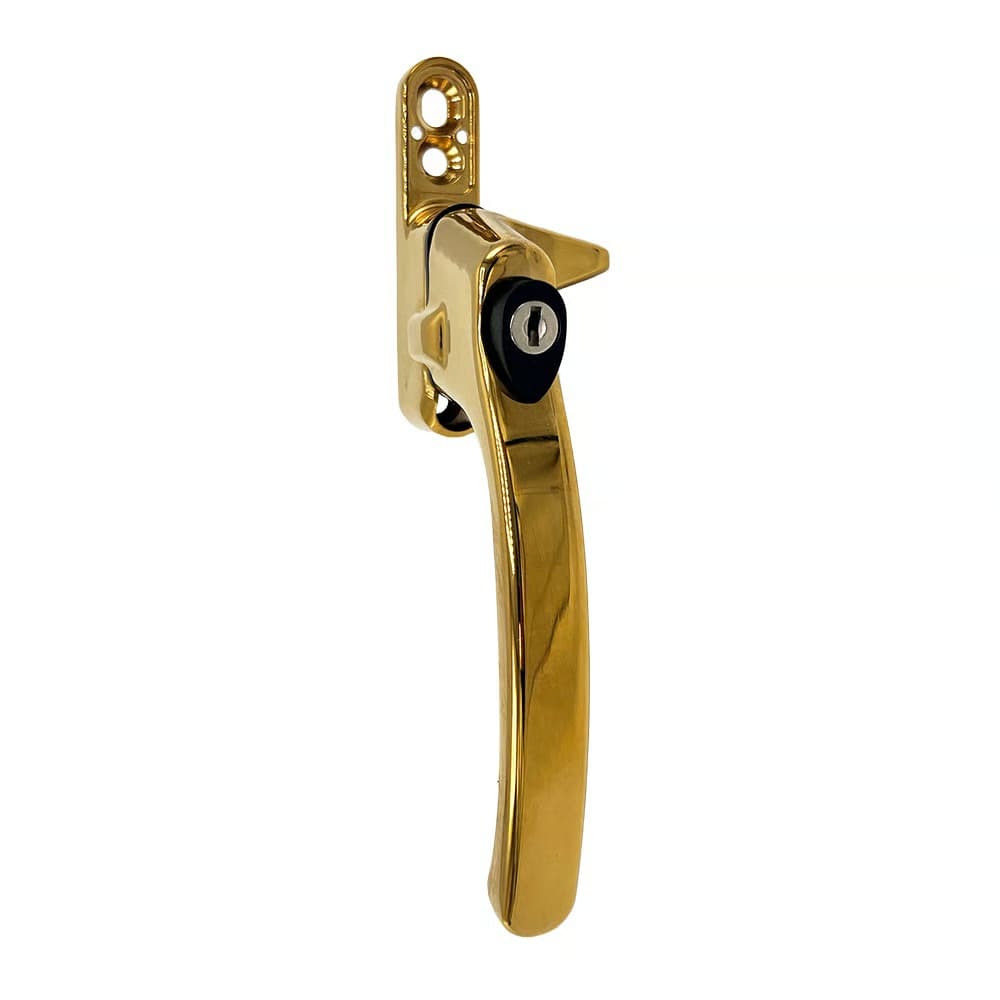
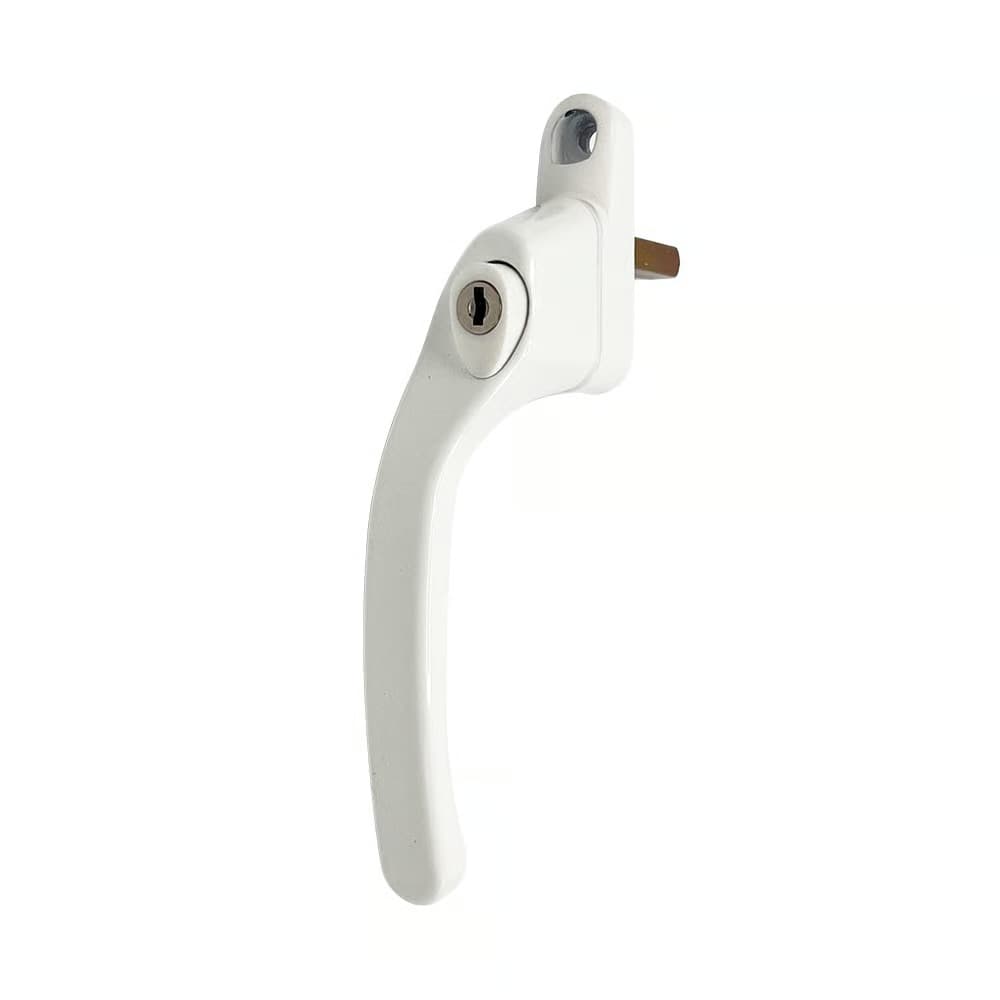
Select handles and locks that match the window’s make, model and security requirements. Cockspur handles remain common in simple sliding or casement windows; for those, the TSS Cockspur Window Handle is a typical replacement. Where multipoint locking is present, use compatible espagnolette-style handles and ensure the spindle and fixing positions match. For enhanced security and durability, choose handles with solid metal construction and anti-tamper fixings.
Document measurements: note spindle size, backset, screw hole centres and handle projection. Tradespeople should carry a small selection of common spindle lengths and handles to avoid repeat visits. Keep a record of window manufacturer details where possible to source exact matches.
When to call a specialist
Complex faults, seized multipoint systems, structural sash issues or signs of forced entry require specialist intervention. Professionals will:
- Remove sashes safely for strip replacement.
- Replace or machine new keeps to ensure correct compression and alignment.
- Upgrade gearbox, espagnolette or entire locking systems where necessary.
- Provide a full security assessment and recommend tested hardware.
Summary
Window handles and locks are interconnected; a failing handle can be a symptom rather than the root cause. A new handle solves many straightforward faults but will not fix worn gearboxes, misaligned keeps or hinge-related problems. Use a systematic diagnostic approach—inspect, test spindle engagement, adjust keeps, lubricate and replace worn internals where needed. Select compatible, quality parts such as the TSS Cockspur Window Handles, TSS Cockspur Window Handle or TSS Offset UPVC Window Handles when a handle replacement is appropriate. Tradespeople should carry measurement tools and common spares to expedite repairs; homeowners should arrange specialist help for complex or security-sensitive faults.