Window Handles for Double Glazed Windows: Buying Tips for the Right Fit
Choosing the right window handles for double glazed windows affects security, operation and appearance. This guide offers practical, actionable advice for...
Choosing the right window handles for double glazed windows affects security, operation and appearance. This guide offers practical, actionable advice for homeowners and tradespeople when selecting, fitting and maintaining handles to ensure compatibility with modern double glazed frames and locking systems.
Understand the types of handles and their functions
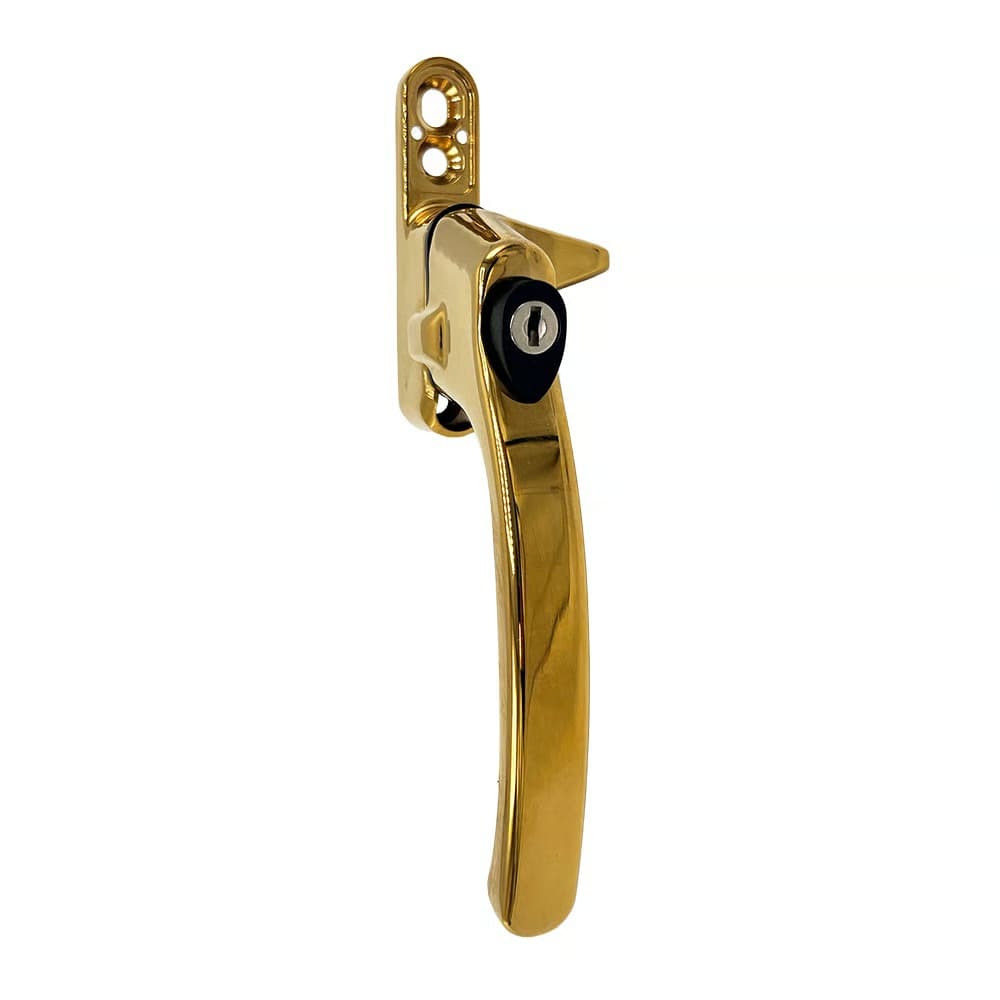
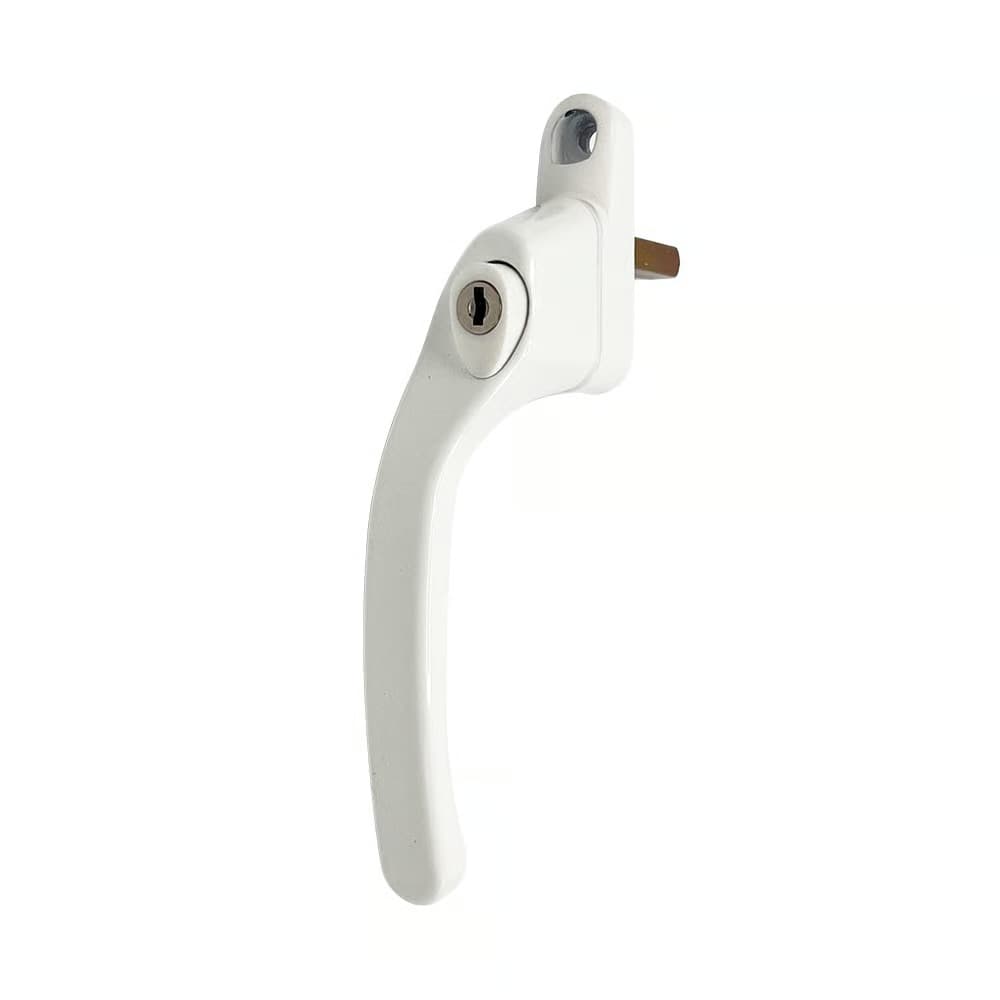
Double glazed windows use a range of handle types depending on frame material and locking mechanism. Common options include espagnolette (espag) handles, cockspur handles and screw-on lever handles. Espag handles operate an internal rod and multi-point locks commonly fitted to uPVC and aluminium windows; cockspur handles are surface-mounted and suit older or simpler casement windows. Selecting the correct type ensures smooth operation and maintains weatherproofing and security.
Consider these examples:
- Espag handle for multi-point locking: TSS Cockspur Window Handles
- Cockspur handle for surface-mounted locking: TSS Cockspur Window Handle
- Standard screw-on lever for general replacement: TSS Offset UPVC Window Handles
Measure carefully before buying
Precise measurements prevent returns and ensure correct operation:
- Backset: Measure from the centre of the handle spindle to the edge of the handle backplate. Espag and lever handles have typical backsets of 35mm or 45mm.
- Spindle length and thickness: Remove the existing handle and measure the spindle. Common spindles are 7mm square; standard lengths vary — choose one long enough to engage the internal mechanism without protruding.
- Fixing centres: For screw-on handles, measure the distance between screw holes if replacing like-for-like.
- Handle projection and clearance: Check that the handle will not catch on curtains, bricks or external features when fully opened.
Match handle to locking mechanism and standards
Double glazed windows often use espagnolette locking or keeps with shootbolts. Identify the locking system:
- Multi-point espagnolette: Requires a handle that operates the internal gearbox. Espag handles usually include a square spindle and must align with the gearbox backset.
- Cockspur: Engage a keep on the frame; ensure the handle projection and latch position align with existing keeps.
- Monkey tail or bolt-through: Less common on modern double glazing but still seen on period properties.
Material, finish and environmental suitability
Window handle materials affect durability and maintenance:
- Aluminium and zinc alloys offer good corrosion resistance for coastal properties.
- Steel components with quality coatings resist wear in high-use locations.
- Plastic or low-grade alloys are more susceptible to UV degradation and should be avoided on exposed elevations.
Practical fitting tips for tradespeople and DIYers
Preparation and the right tools make replacement straightforward:
- Remove the existing handle with a screwdriver, observing screw type and position.
- Measure spindle and backset before ordering spares. Bring the old handle when sourcing replacements if purchasing in person.
- For espag handles, ensure the gearbox is in the correct position (typically locked or neutral) before fitting to avoid misalignment. Rotate the gearbox using the spindle to line up cams if necessary.
- Use thread-lock or loctite on screws in high-vibration settings, but avoid over-tightening which can distort the handle backplate.
- When fitting key-lockable handles, check that the key turns freely and that the locking cam engages the keep without binding.
Security and child safety considerations
Handle choice contributes to overall window security:
- Key-lockable handles add a layer of protection against opportunistic intrusion.
- Limiters and restrictors can be fitted alongside handles to prevent windows opening beyond a safe angle, reducing fall risk in homes with small children.
- Consider using handles with non-return mechanisms to prevent forced entry via handle manipulation.
Maintenance to extend lifespan
Routine care keeps handles operating smoothly:
- Clean with mild detergent and soft cloth; avoid abrasive cleaners that strip finishes.
- Lubricate spindles and locking cams annually with a dry PTFE spray or light grease where recommended by the manufacturer.
- Tighten loose screws; replace worn fixings promptly to avoid further damage to the frame or locking mechanism.
- Inspect for signs of corrosion or fatigue, particularly on exposed ground-floor windows, and replace components showing excessive wear.
Budgeting and sourcing
Prices vary by type, material and security rating. Cockspur handles tend to be the most economical; espag and key-lockable options command a premium due to compatibility with multi-point locking systems. Tradespeople should factor in a small stock of common handles and spindles to reduce site time and repeat visits.
Buy from reputable suppliers that list full specifications and compatibility data. Where in doubt, match measurements rather than relying solely on images or finish.