Window Handles for Double Glazed Windows: Common Screw Centres
Double glazed windows require handles that match the locking mechanism and the screw centres of the existing hardware. This guide explains common screw cen...
Double glazed windows require handles that match the locking mechanism and the screw centres of the existing hardware. This guide explains common screw centres for window handles for double glazed windows and gives practical steps for measuring, choosing and fitting replacements so homeowners and tradespeople can carry out straightforward upgrades or repairs with confidence.
Types of window handles for double glazed windows
Understanding handle types helps identify screw centres and replacement options. The most common types for double glazed frames are espagnolette (espag) handles, cockspur handles and inline/tilt-and-turn handles. Each has different fixing methods and typical screw positions.
- Espag handles operate a multi-point espagnolette locking strip via a spindle and are common on UPVC and timber casement windows.
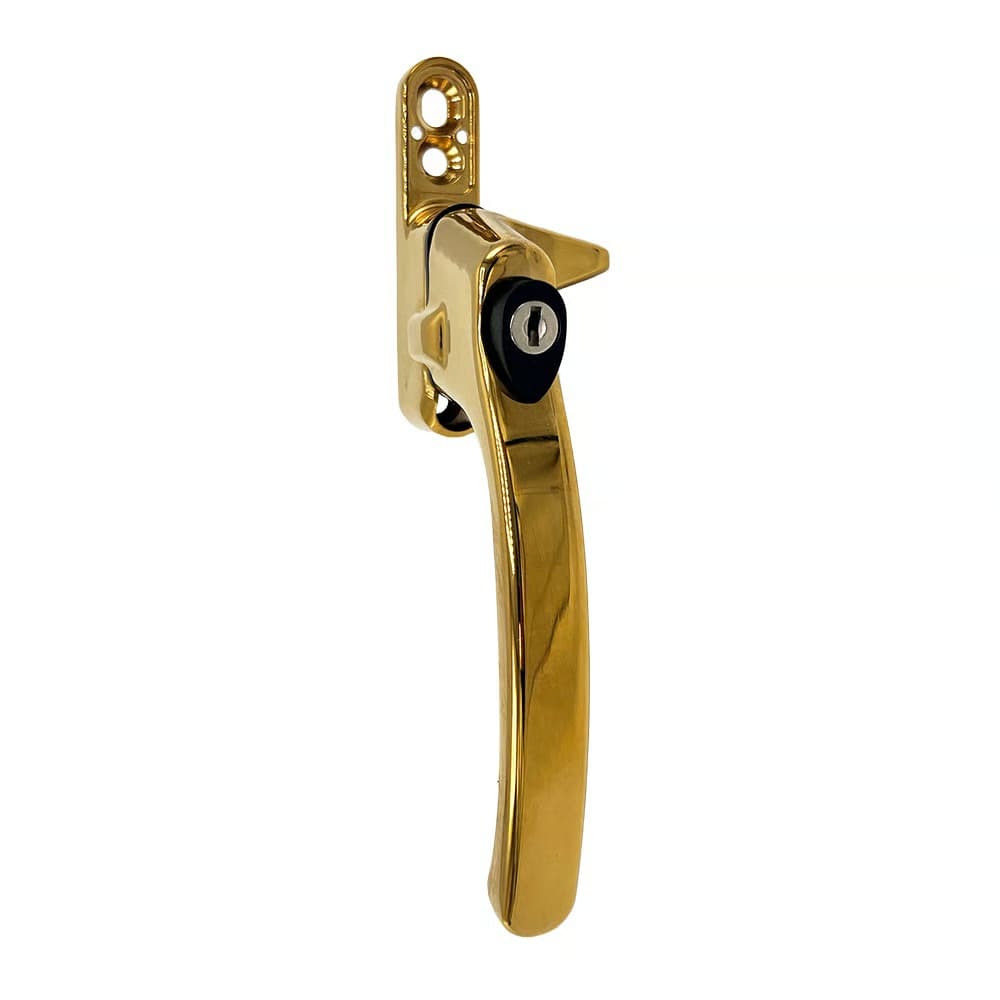
- Cockspur handles hook over the frame and usually fit to the face of the sash with two visible screws.
- Inline and tilt-and-turn handles fit to a gear box or spindle and often have concealed fixings behind a rose or cover plate.
Common screw centres and how to measure accurately
"Screw centre" refers to the distance between the centres of the two fixing screws on a handle. Accurate measurement ensures a replacement will mount without drilling new holes.
Typical screw centres encountered in double glazed windows:
- Cockspur handles: commonly 43mm and 38mm; older styles sometimes 35mm.
- Espag handles: commonly 43mm, 48mm and 92mm where manufacturers use longer centre distances for security plates.
- Inline/tilt-and-turn handles: fixings are often concealed and vary; the focus is typically on spindle size and rose diameter rather than screw centre.
Recording screw centre, spindle size and screw length prevents costly returns and reduces on-site delays.
Matching handle to locking mechanism and security features
Selecting a handle involves more than matching screw centres. The replacement must interface correctly with the locking mechanism:
- Espag handles must align with the espagnolette gearbox; ensure the handle's spindle engages the gearbox fully and that the espag rod’s position matches when locked.
- Cockspur handles clamp over a keep on the frame; ensure the hook length and position match so the handle secures correctly.
- For enhanced security, choose handles with built-in locks or designer designs that accept an anti-lift feature.
Practical fitting tips for tradespeople and DIYers
Careful fitting reduces damage to frames and improves longevity:
- Use the correct screwdriver head to avoid stripping screws. For coated screws, a low-slip driver is recommended.
- When replacing handles, use the original screw holes where possible. If new holes are unavoidable, use appropriate drill bits for PVC, wood or aluminium and countersink if necessary.
- Check screw length. Screws should fully engage the frame material without protruding into the glass unit. Typically, for UPVC thin-walled frames, shorter pan-head screws are suitable; for timber, longer wood screws give better hold.
- Apply a small amount of silicone or a plastic washer under the handle backplate on timber frames to prevent moisture ingress.
- Use a thread-locker on metal-to-metal fixings for high-usage windows to prevent loosening. Avoid thread-locker on plastic components to prevent cracking.
- After fitting, cycle the handle several times to ensure smooth operation and correct engagement with keeps or locking rods. Adjust the keep position if necessary to eliminate rubbing or incomplete locking.
Troubleshooting common issues
Several problems crop up when replacing or fitting handles for double glazed windows:
- Handle is loose after fitting: Check correct screw length and that screws bite into timber or engage the reinforcement chamber in UPVC. Consider longer screws only if safe to do so.
- Handle does not operate lock fully: Confirm spindle length and orientation; some handles have offset or stepped spindles requiring a different type or a different grub-screw position.
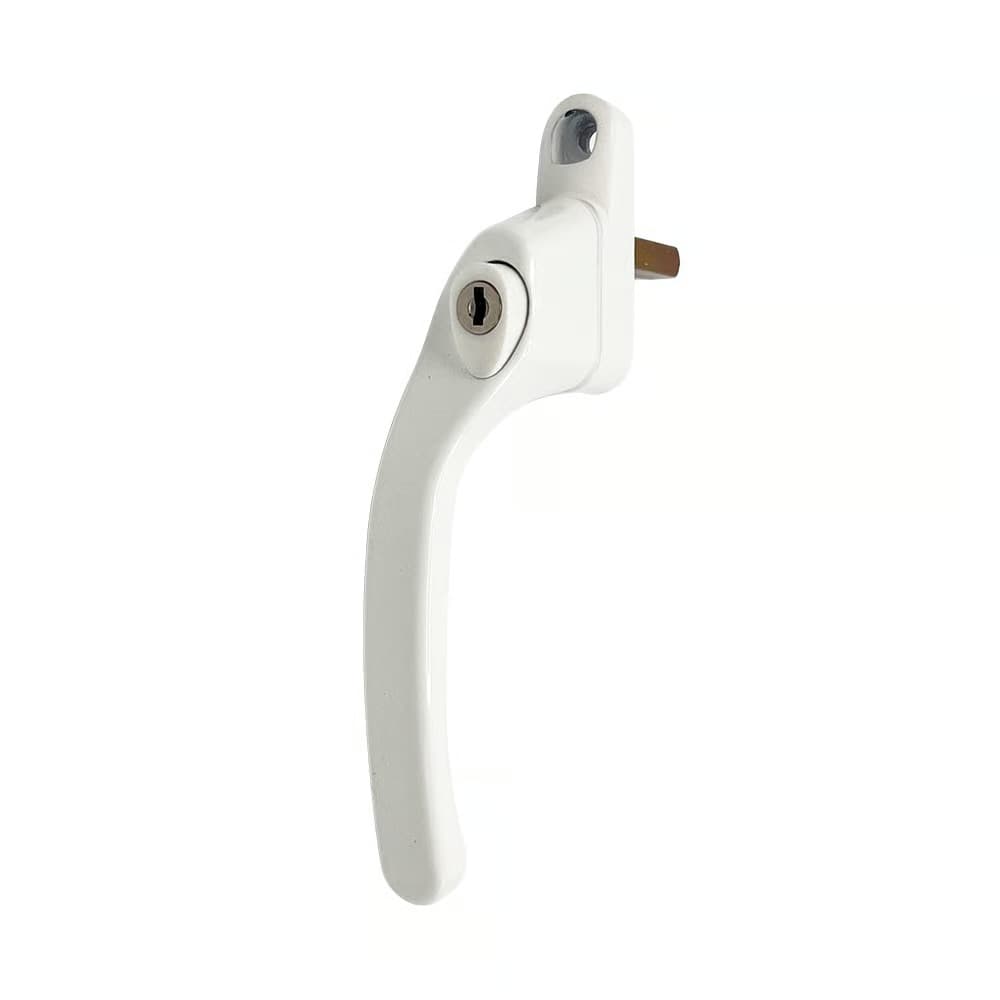
- Wrong handedness: Handles are handed for left or right opening windows. When ordering, mirror the existing handle orientation or note the spindle offset. The TSS Cockspur Window Handle range includes right and left-handed options for easy matching on face-fix cockspur systems.
Maintenance and small upgrades
Regular maintenance keeps handles operating smoothly:
- Lubricate moving parts annually with a light silicone lubricant for UPVC and a light oil for metal components.
- Tighten screws periodically to prevent play.
- Consider upgrading to a locking handle for ground-floor windows or rooms that require extra security. The TSS Offset UPVC Window Handles provides a robust keyed option compatible with many double glazed frames.
Final checks before purchase
Before ordering a replacement, ensure the following are recorded: screw centre measurement, spindle size and length, handle type (espag, cockspur, inline), handing and desired finish (white, cream, chrome, black, etc.). These checks reduce returns and guarantee compatibility with double glazed windows.
For a detailed overview of handle types, measurements and compatibility, consult the full resource: Window Handles Guide