Window Handles for Double Glazed Windows: Handing Explained
Choosing the correct window handles for double glazed windows is a small but crucial part of ensuring security, weather performance and ease of use. Handin...
Choosing the correct window handles for double glazed windows is a small but crucial part of ensuring security, weather performance and ease of use. Handing — the direction a handle operates and the way it must be fitted — affects compatibility with window hardware, sightlines, and locking mechanisms. This article explains how to identify handing, select the right handle type and fit it correctly, with practical steps suitable for homeowners and tradespeople.
What handing means and why it matters
Handing describes the orientation of a handle relative to the window sash: whether the handle is positioned to operate to the left or right, and whether the locking action engages when the handle is turned upwards, downwards or towards the meeting stile. Incorrect handing can prevent a handle from engaging its spindle or locking cams properly, cause stress on the gearbox and compromise security. Some handles are reversible; others are handed and must be ordered to match the window.
Specifying the correct handing also ensures compatibility with multi-point espagnolette gearboxes used in modern double glazed windows. For example, an espagnolette handle with a certain projection and locking dog needs to match the gearbox’s locking direction to engage the shootbolts correctly.
Common handle types and handing considerations
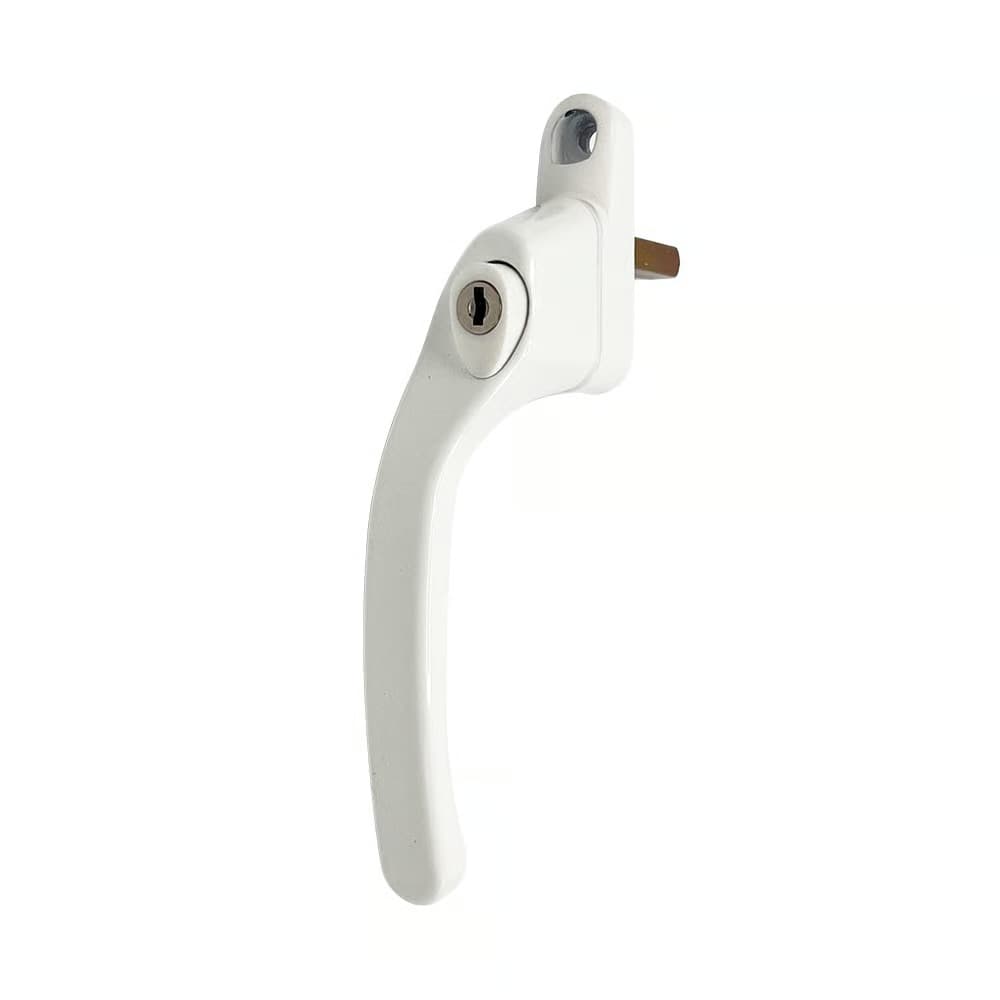
- Espag (espagnolette) handles: Common on PVCu and timber windows, these use a rectangular spindle and a gearbox inside the sash. Handing matters because the spindle projection and the gearbox orientation determine the direction the handle turns to lock. The TSS Cockspur Window Handles is an example of a quality espag handle designed for high-security applications.
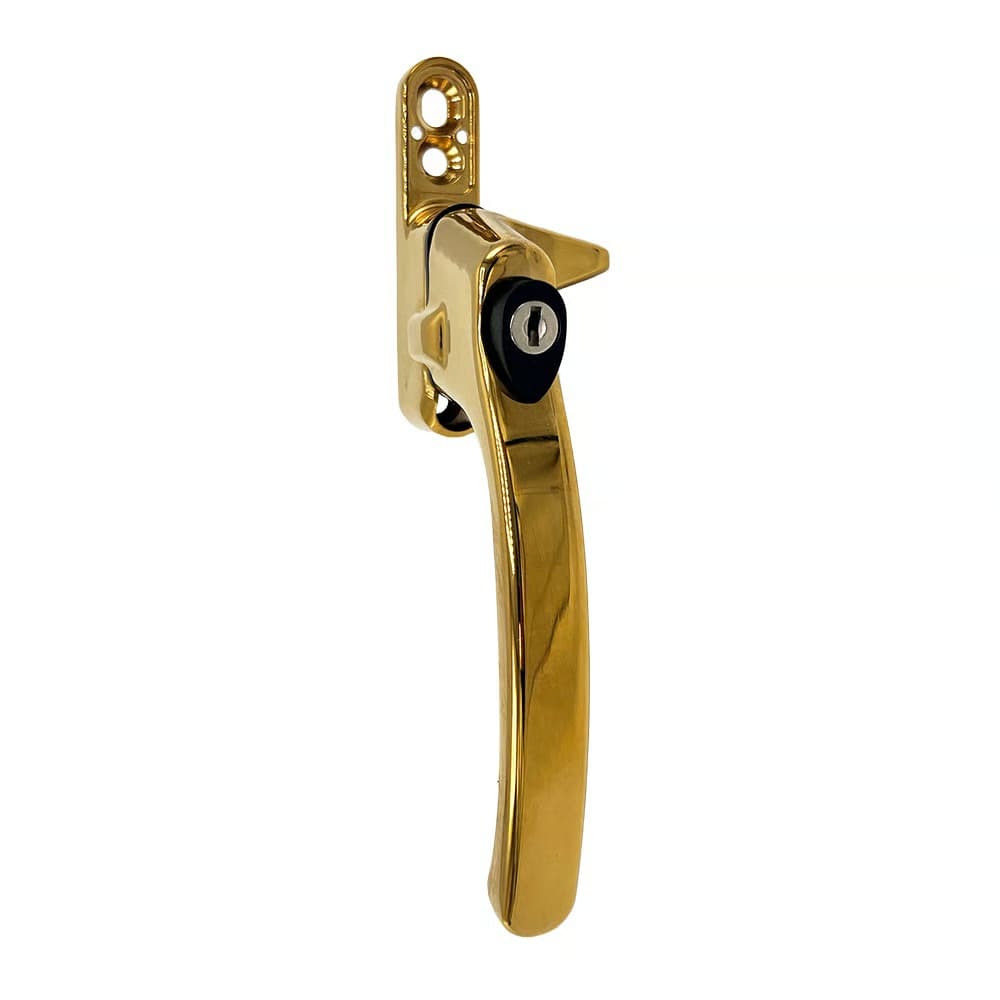
- Cockspur handles: Simpler and often used on casement windows, these fit over the window frame and screw directly into the sash. Cockspur handles are usually reversible, but check whether the striker plate sits correctly on the frame. The TSS Cockspur Window Handle is a durable option for traditional-style fittings.
- Fully reversible and multi-point handles: Some manufacturers offer handles that work on either side and can be reversed on-site without changing the product. These are useful for stock control and retrofit jobs. The TSS Offset UPVC Window Handles offers a balance of security and adaptability for many PVCu windows.
How to determine left or right handing
1. Stand outside the building looking at the window from the outside face. Visual orientation must always be from this external viewpoint for consistency. 2. Note which side the hinges are on: - Hinges on the left = left-handed sash - Hinges on the right = right-handed sash 3. Identify the side the handle is on when the window is closed; this helps confirm whether the sash is left or right hand.
For windows with central mullions or French casements, treat each sash independently. When specifying replacement handles, provide the handedness plus the side the handle operates towards (e.g. left-hand outward opening, handle on the right side when viewed from outside).
Measuring for replacement handles
Accurate measurements reduce returns and fitting time:
- Measure the backset: the distance from the centre of the handle spindle to the edge of the handle base or the end of the gearbox. Typical backsets are 35mm, 43mm and 45mm; confirm against existing hardware.
- Measure spindle length: standard spindles are 7mm square but vary in length — ensure the spindle reaches through the sash to engage the gearbox without bottoming out.
- Note screw centres: measure the distance between mounting screws on the handle rose; common centres are 43mm or 70mm for some designs.
- Record locking features: whether the handle operates a 20mm espag gearbox, a 16mm cockspur, or a multi-point system. Photographing the existing handle and gearbox can assist suppliers in matching parts.
Practical fitting tips for tradespeople
- Always remove the sash or open the window fully for access to the handle fixes. Protect the glazing with tape or soft cloth to prevent scratches.
- When fitting espag handles, ensure the spindle is fully engaged into the gearbox slot and that grub screws are tightened without over-torquing. Use a drop of Loctite or threadlocker on grub screws in high-usage areas.
- For handed handles, align the handle in the locked and unlocked positions before tightening fixing screws. Check that the handle returns to the flush position when locked.
- Test the handle operation through the full range several times to verify smooth engagement of the locking points. If it feels stiff, check for misaligned keepers or obstructions in the gearbox.
- For cockspur handles, ensure the striker plate on the frame is positioned to accept the spur without compressing the sash; adjust striker plate position if necessary.
Security and maintenance considerations
- Prefer handles that meet British Standards for window security where appropriate; look for handles designed to resist torque and forced entry.
- Lockable handles add an extra security layer on accessible ground-floor windows and conservatories. Ensure lock barrels are keyed differently if multiple windows are in the same room, to avoid leaving keys at each handle.
- Lubricate moving parts annually with a light machine oil; avoid heavy greases that attract dust. Regular maintenance prolongs life and reduces the chance of handing-related failures.
- Replace worn or bent gearboxes rather than forcing a new handle to work with damaged internals; a new handle should not be used to compensate for a failing espagnolette.
Common handing mistakes to avoid
- Ordering handles based on looking from inside rather than outside; this reverses handedness and causes incorrect parts to be delivered.
- Assuming all handles are reversible; confirm product specification. Fixed-handed espag handles often require a specific orientation.
- Ignoring spindle length and backset — these two dimensions are the most common reasons for returns and refits.