Window Handles for Double Glazed Windows: What to Check Before Buying
Double glazed windows present specific requirements for hardware that ensure security, smooth operation and longevity. Choosing the right window handles fo...
Double glazed windows present specific requirements for hardware that ensure security, smooth operation and longevity. Choosing the right window handles for double glazed windows involves more than matching colours; measurements, locking mechanisms, compatibility with existing hardware and compliance with safety standards are all essential. This guide provides practical, actionable checks for homeowners and tradespeople to make informed choices and avoid costly returns or insecure installs.
Identify the locking type and mechanism
Start by determining the window locking system. Double glazed windows commonly use espagnolette (espag) rods, cockspur handles, or inline gearboxes. Each requires a specific handle style and spindle/rod interface.
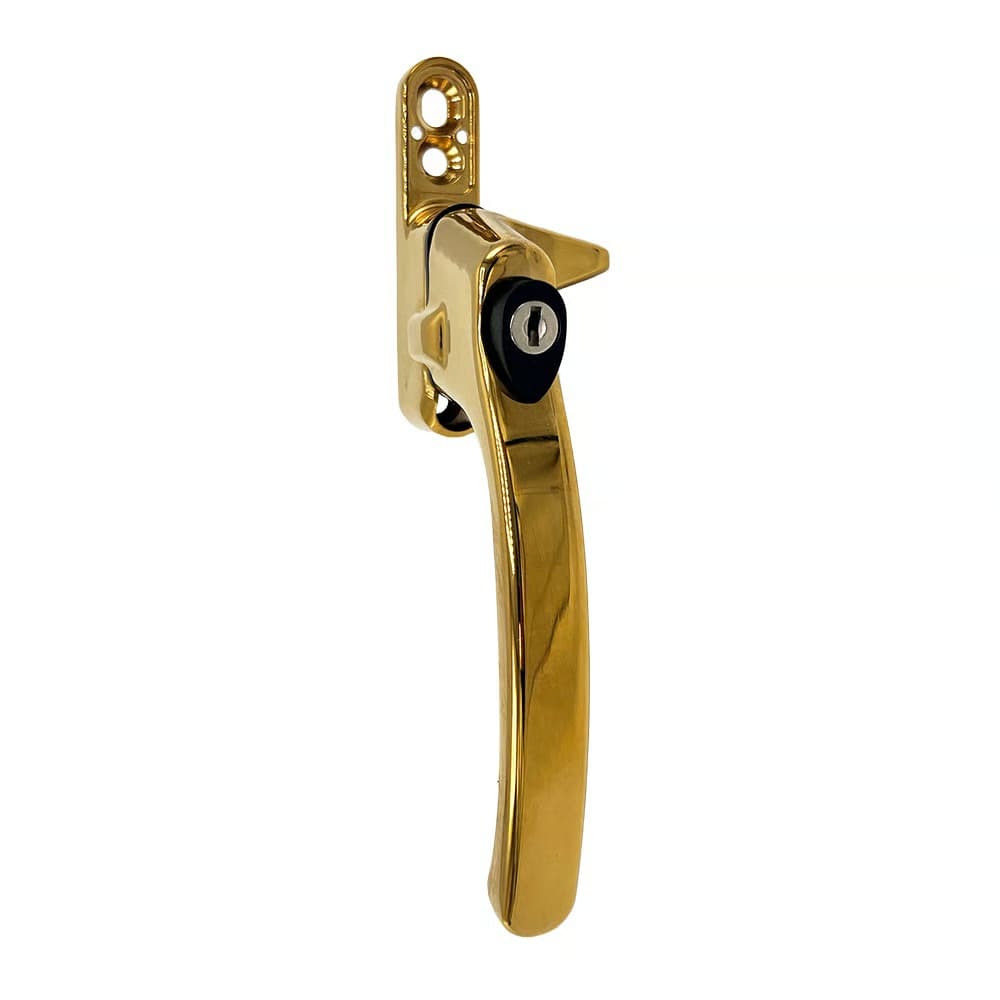
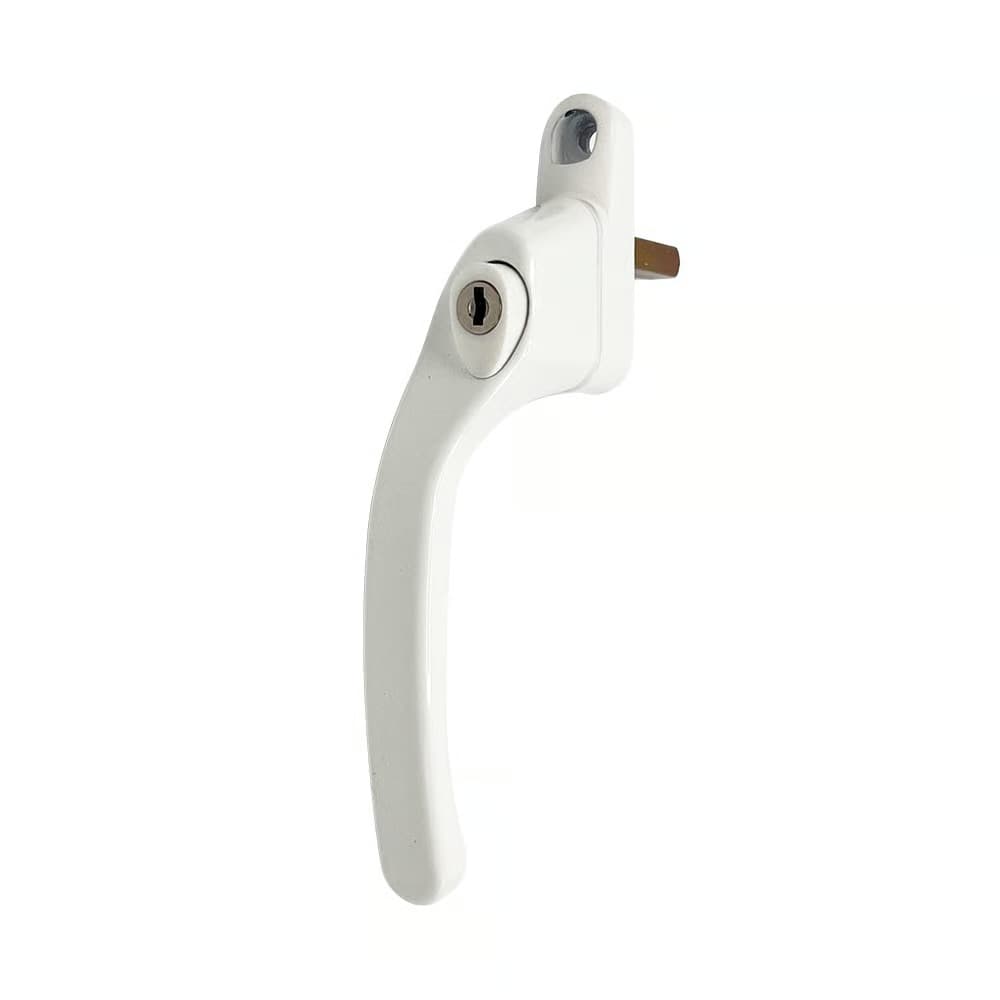
- Espagnolette systems typically require an espag handle with a square spindle and will operate multi-point locks via a gearbox. A suitable example is the TSS Cockspur Window Handles, designed for modern espag gearboxes.
- Cockspur windows use a projecting cam that hooks over the frame. The TSS Cockspur Window Handle fits these traditional applications.
- For inline or tilt-and-turn systems, look for handles that match the gearbox spacing and fixing centre. The TSS Offset UPVC Window Handles is a widely used option for many uPVC and aluminium profiles.
Measure accurately: spindle, fixing centres and backset
Accurate measurement is the most common cause of fitting issues. Take three essential measurements:
- Spindle length and square size: Measure from the handle face to the end of the spindle. For replacement handles, ensure the spindle square size matches (typically 7mm, 8mm or 10mm).
- Fixing centres: The distance between the two screw holes that secure the handle to the frame—usually 38mm, 43mm or 48mm. Measure centre to centre.
- Backset (where applicable): The distance from the faceplate edge to the lock centre on some espag/gearbox units.
Check handing and reversible options
Window handles are sometimes handed, especially for tilt-and-turn or certain espag systems. Determine whether the sash is left- or right-handed by observing the opening direction when viewed from inside. Many modern handles are reversible, but confirm the product specification. Using a reversed handle on a handed window can impede operation and reduce security.
Security features and standards
Double glazed windows contribute significantly to home security when paired with secure handles. Look for the following features:
- Key-lockable handles for high-risk areas and ground-floor windows.
- High torque ratings and robust internal mechanisms (steel spindles and reinforced fixings).
- Compliance with British standards and Secured by Design where specified, as well as PAS 24 in new builds and replacements where required.
- Anti-drill and anti-snap features in high-security lock cylinders.
Material, finish and corrosion resistance
Double glazed windows endure condensation and external weather conditions. Choose materials and finishes suited to the environment:
- Aluminium and stainless steel components resist corrosion better than plain zinc alloys in coastal locations.
- Powder-coated or polyester finishes on aluminium are durable for external exposure.
- For coastal or high-humidity environments specify corrosion-resistant variants and lubricate pivot points with a light machine oil during installation.
Child safety and escape requirements
Where windows form part of an escape route, handles must allow rapid egress. Consider:
- Push-to-open or non-locking options on upper-storey windows where escape is necessary.
- Restrictors and limited-opening hinges for child safety on windows that do not require escape access.
- Compliance with building regulations for means of escape in new installations.
Fitment tips for a clean, durable installation
A professional installation ensures long-term function:
- Remove paint build-up or debris from the screw holes and spindle receiver before fitting.
- Use the correct length and type of screws; short screws may strip into the sash while overly long screws can impinge on the glass unit.
- Apply thread-locker sparingly to fixing screws in high-vibration areas, but avoid over-tightening handles which can distort the operating mechanism.
- Test full travel of the handle and locking points after installation; ensure the espag rods fully engage and the sash seals evenly against compression gaskets.
Maintenance and troubleshooting
Regular maintenance prolongs handle life and prevents failures:
- Clean with a mild detergent; avoid abrasive cleaners that remove protective coatings.
- Lubricate moving parts annually with a light lubricant approved for window hardware.
- Tighten loose fixings promptly to avoid wear on the spindle and handle boss.
- Replace handles showing excessive play, cracked boss plates or rusted spindles to prevent lock failure.
Compatibility with double glazed frames
Double glazed frames (uPVC, timber or aluminium) have differing depths and bead profiles. Verify the handle backplate does not clash with glazing beads or rails. For retrofits, check that the handle does not prevent the sash from closing fully, which could compromise the seal and thermal performance of the double glazed unit.
Final decisions on handle selection should consider security, measurements, material suitability and ease of maintenance. Applying these checks will reduce returns and ensure window handles for double glazed windows perform reliably for years.