Window Handles for Double Glazed Windows: What to Measure First
Choosing the correct window handles for double glazed windows starts with accurate measurements. Small mistakes can lead to incompatible fittings, wasted t...
Choosing the correct window handles for double glazed windows starts with accurate measurements. Small mistakes can lead to incompatible fittings, wasted time and extra expense. This guide explains which dimensions matter most, how to measure them reliably and which handle types suit common double glazed systems used by homeowners and tradespeople.
Which measurements matter most
Four primary measurements determine compatibility:
- Backset / distance to handle centre
- Screw centre (fixing centre) spacing
- Spindle length and diameter
- Handle height and offset from the frame
Backset (distance from euro cylinder or lock face)
Backset is the horizontal distance from the edge of the window sash to the centre of the locking mechanism (for espagnolette locks) or to the handle spindle. Common backsets for double glazed windows are 22mm, 28mm, 35mm and 45mm depending on profile and hardware. Measure from the face of the sash or the lock edge to the centre of the existing spindle hole or lock case. Use a steel rule for accuracy.
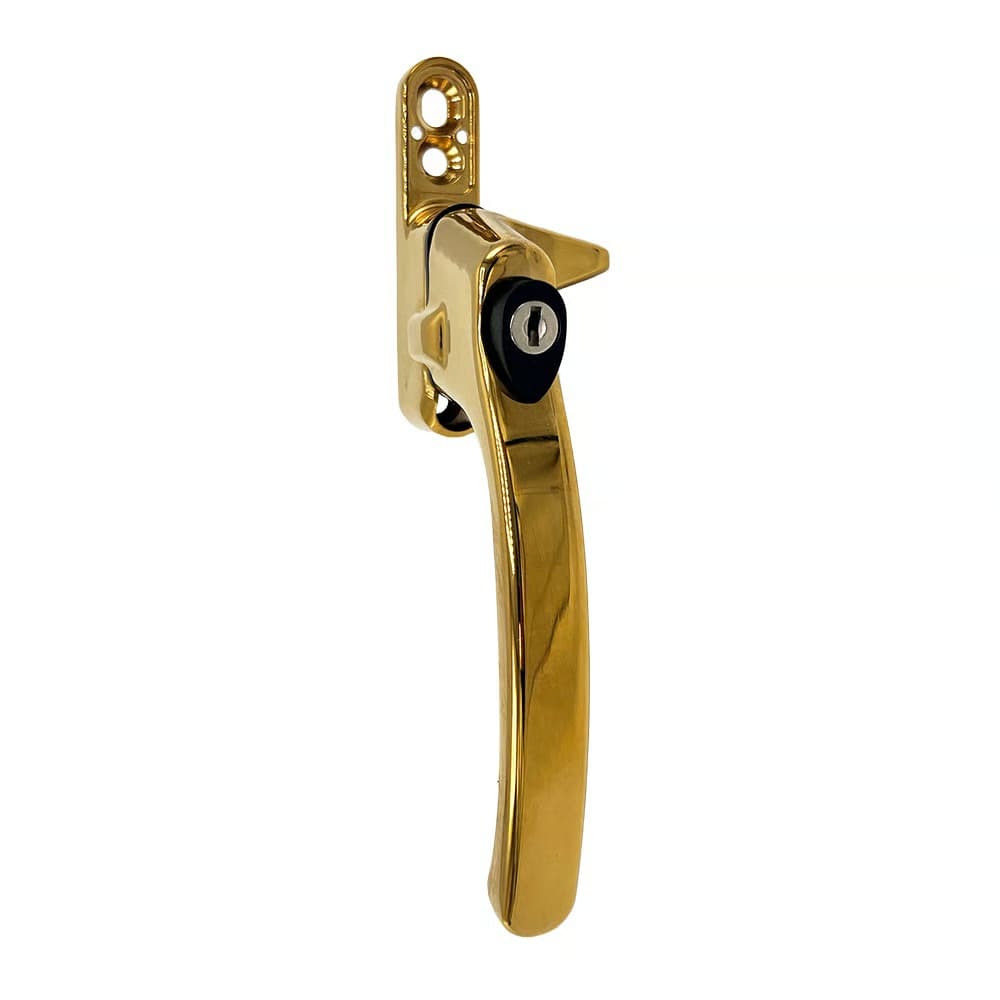
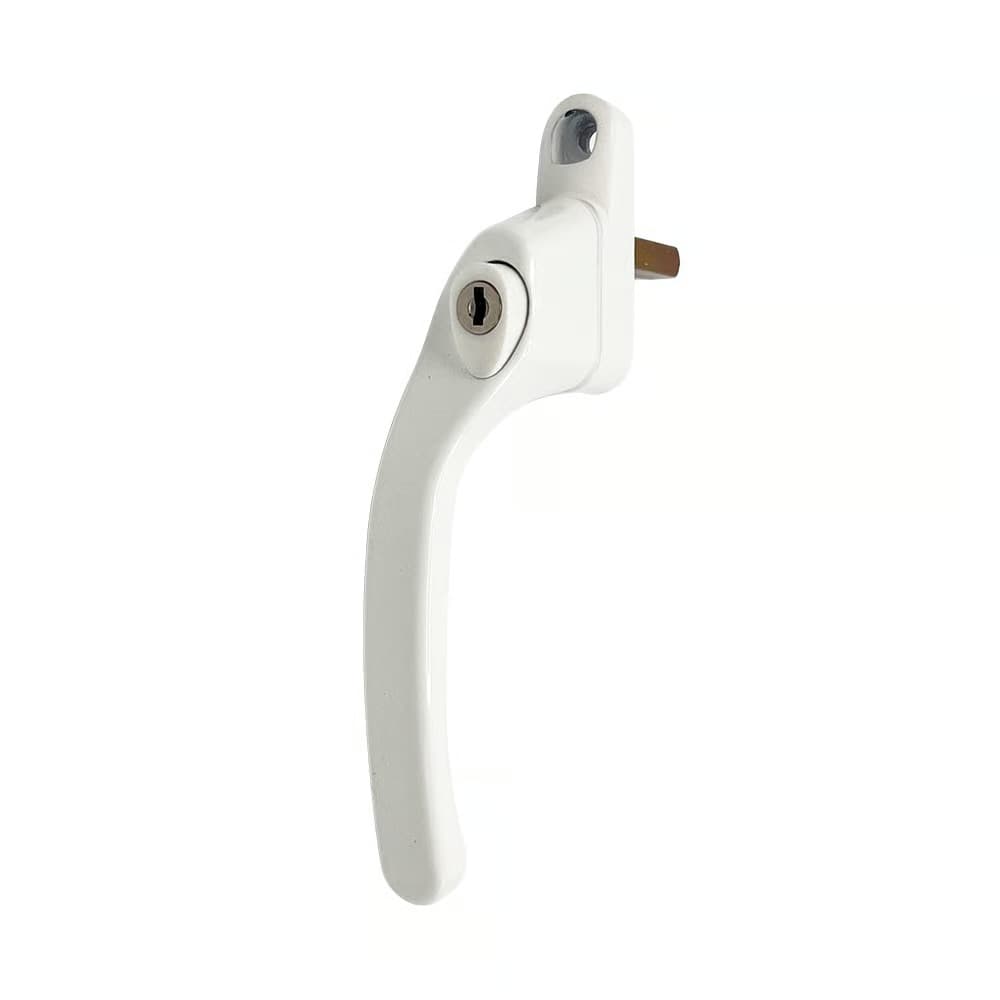
If unsure whether the lock is an espag (espagnolette) or a casement centre-lock, photograph the lock face or remove the handle to see the case. For espag systems, consider handles engineered for espagotti operation such as the TSS Cockspur Window Handles, which mate with common backsets and offer secure operation.
Screw centres (fixing holes)
Screw centres are the distance between the centres of the two fixing screws that attach the handle to the sash. Measure between the screw heads with the handle in place, or open the handle and measure between the centres of the recessed fixing holes. Typical screw centre measurements are 43mm, 90mm or 92mm depending on handle style (e.g. inline rose vs dog bolt plate).
Accurate screw centre measurement is vital because a mismatch means holes must be redrilled or an unsightly adapter plate used. Tradespeople should note whether the handle uses countersunk screws or rising/loading bolts to choose matching fixings.
Spindle length and diameter
The spindle connects the handle to the locking mechanism. Measure the length of the spindle from the base of the handle rose to the opposite end; ensure the measuring device accounts for the portion that inserts into the lock. Standard spindles are 7mm square in many domestic windows, but 8mm and 6mm spindles also exist. Verify spindle profile — square, D-shape or threaded — and record the length to the nearest millimetre.
If the spindle is too short, the handle will not engage the lock; too long and it may bottom out or prevent the handle from sitting flush. Many replacement handles come with adjustable or changeable spindles; check product specifications for included spindle sizes.
Handle projection, height and offset
Handle projection (how far it sticks out), backplate size and the vertical offset from the bottom of the sash to the handle centre affect clearance, comfort and aesthetic. Measure the distance from the bottom of the sill to the handle centre and from the frame corner to the handle to ensure door furniture does not foul adjacent frames, tiles or window furnishings.
For higher-security installations, a handle with a longer rose or a reinforced base may be necessary. Choose a finish and projection that suits the window’s style and the user’s needs.
Determining handle type and handing
Identify whether the window uses:
- Espag (espagnolette) handles for multi-point espag locks
- Cockspur handles for simple inward-opening casements where a hook engages in keep
- Tilt-and-turn handles for European-style fittings
Handing: Determine left- or right-handed operation by standing inside the room facing the window. If the handle is on the left and opens towards the inside, it is left-handed. Many handles are reversible, but confirm before ordering.
Tools and practical measuring tips
Essential tools:
- Steel rule or tape measure (metric)
- Vernier callipers for spindle diameter
- Marker and masking tape for noting measurements
- Smartphone camera to photograph existing hardware and lock face
- Remove the existing handle to access accurate screw centre and spindle measurements when safe to do so.
- Measure twice; write dimensions on a label and photograph with a ruler for reference.
- Note the thickness of the sash and whether the handle sits on an escutcheon plate or rose.
- Check whether the handle requires a gearbox or keeps; measure distances to locking points if replacing multi-point hardware.
Common pitfalls and how to avoid them
- Assuming spindle size without checking: Confirm square or round profiles and measure width with callipers.
- Ignoring screw centre type: Some handles use machine screws into threaded plates; others use self-tapping screws through the sash.
- Overlooking clearance with trickle vents or blinds: Measure handle projection relative to adjacent fittings.
- Matching finish and colour: Chrome, satin, white and black finishes may vary between manufacturers; order samples or items from the same range for a consistent look.
When to order a specialist handle
Trade installers replacing high-security or heritage fittings should consider specialist options. For example, secure espag handles with anti-snap features suit properties requiring increased security. Where older timber frames present nonstandard drilling patterns, custom or adaptable handles with conversion plates provide a neat fit.
Final checklist before ordering
- Backset measurement recorded (mm)
- Screw centres noted and photographed
- Spindle length and profile confirmed
- Handing determined (left/right)
- Finish and projection chosen to suit installation
- Compatibility with existing lock case or espagnolette verified